Early tomato varieties
Ten varieties in this catalogue ripen in 62 days or fewer from transplant, and the list makes a point that is easy to miss: earliness costs size. Nine of the ten weigh under 40 g, and five are dwarf or micro dwarf. Early Girl at 110 to 170 g is the single exception and the only early variety here that produces a slicing tomato. The physics is straightforward, since a small fruit needs less time and less photosynthate to fill and colour, which is why the earliest varieties on any seed rack are almost always cherries. If you garden in a short season, this page is where to start, and Early Girl is the one entry that lets you have a sandwich tomato as well.
- Varieties
- 17
- Days to harvest (from transplant)
- 52–62
- Fruit weight
- 0–8 oz (5–220 g)
- Growth habit
-
7 Indeterminate
4 Determinate
3 Micro dwarf
3 Dwarf
All 17 early tomato varieties
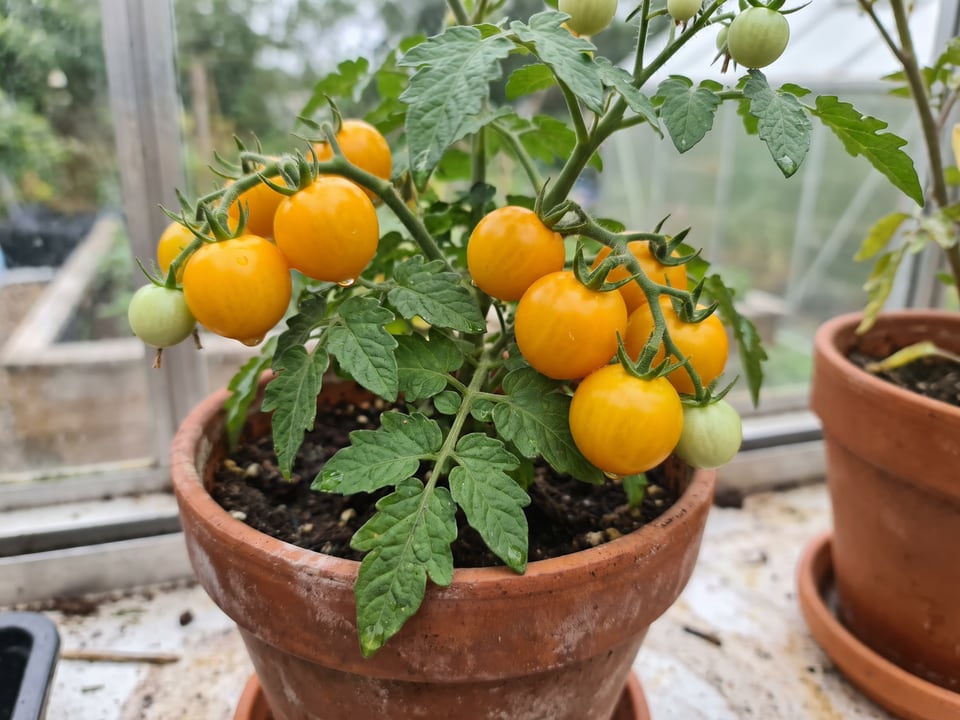
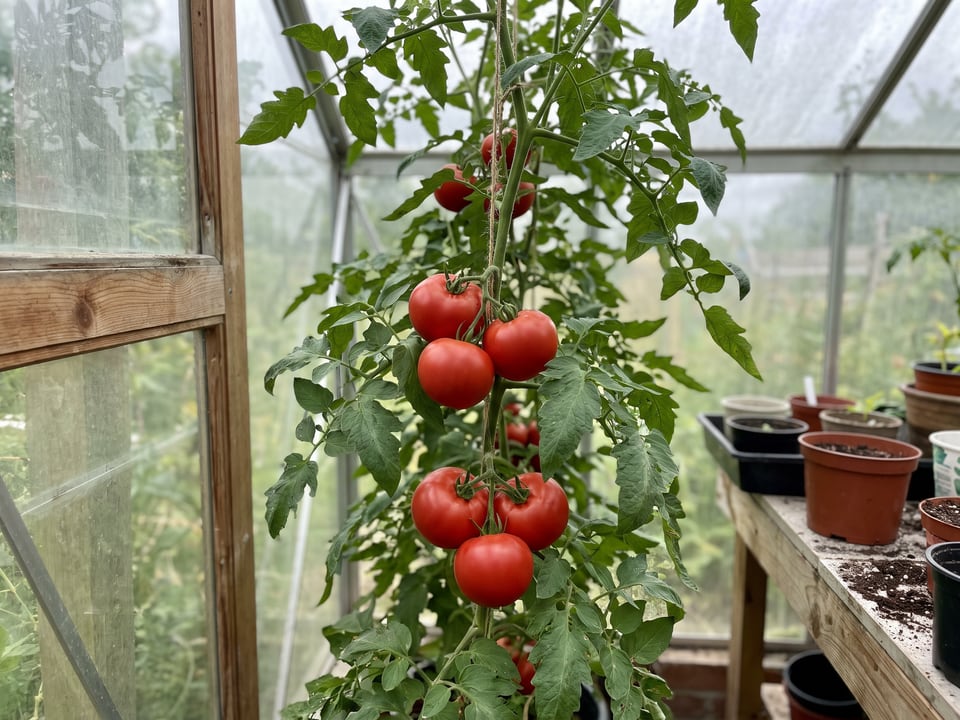
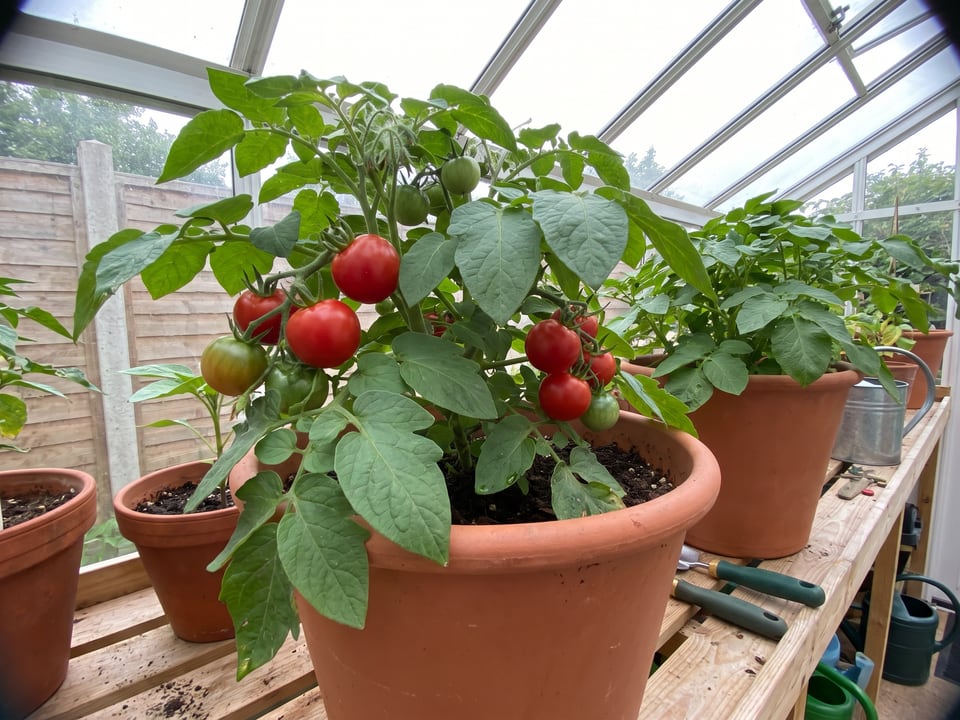
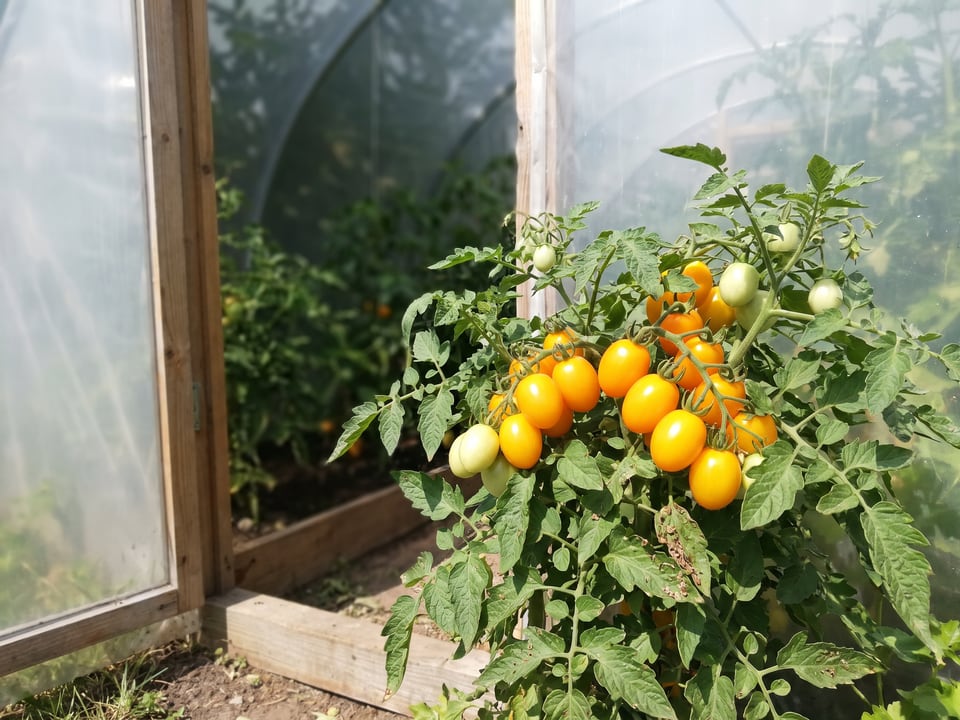
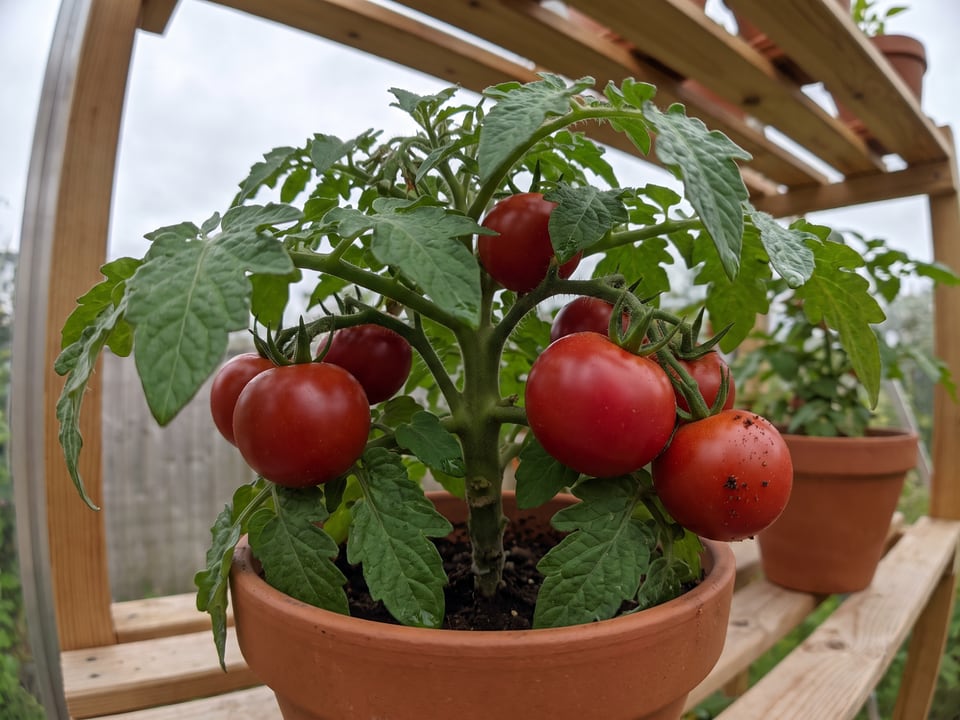
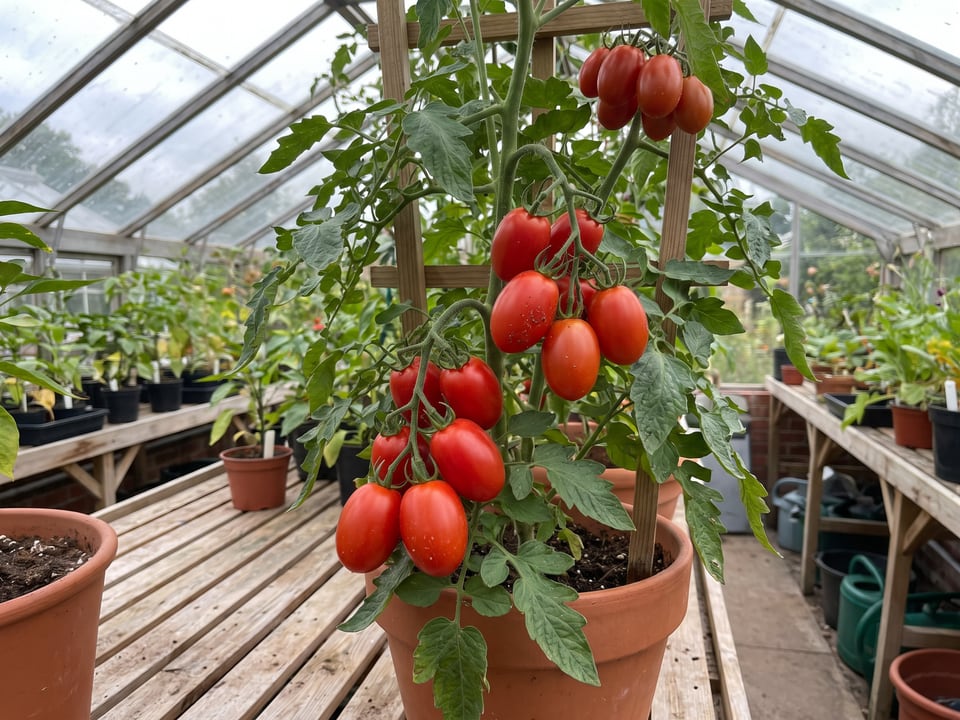
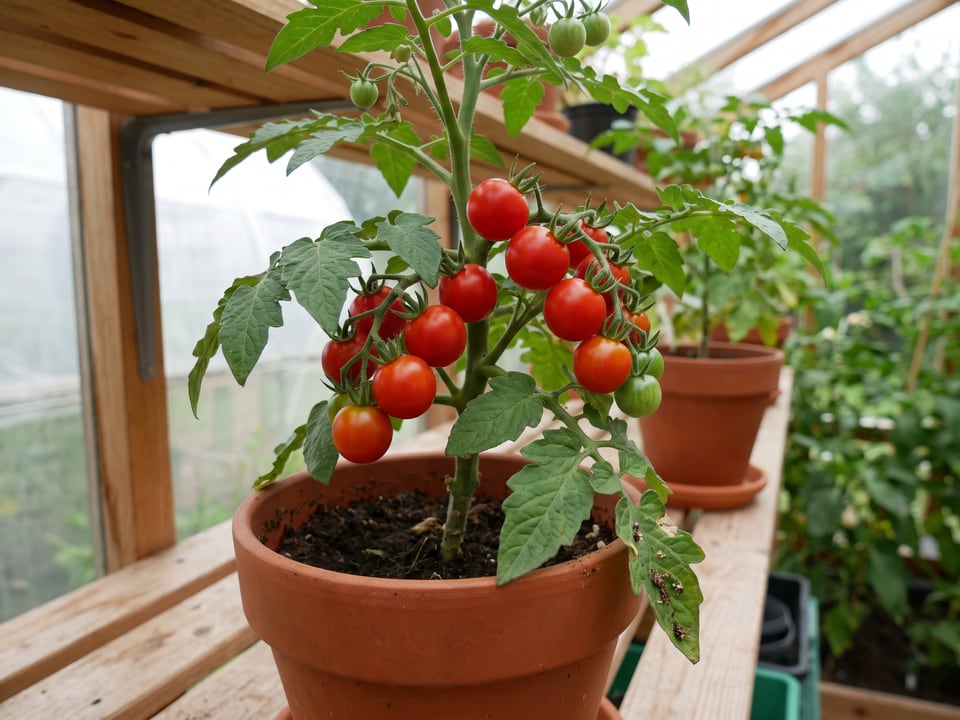
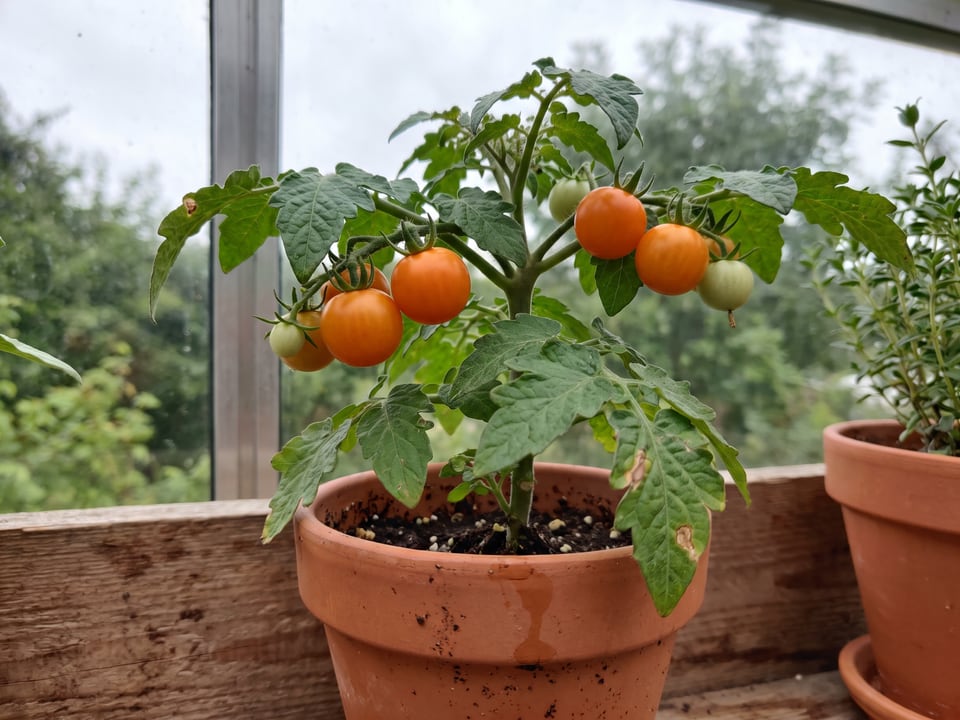
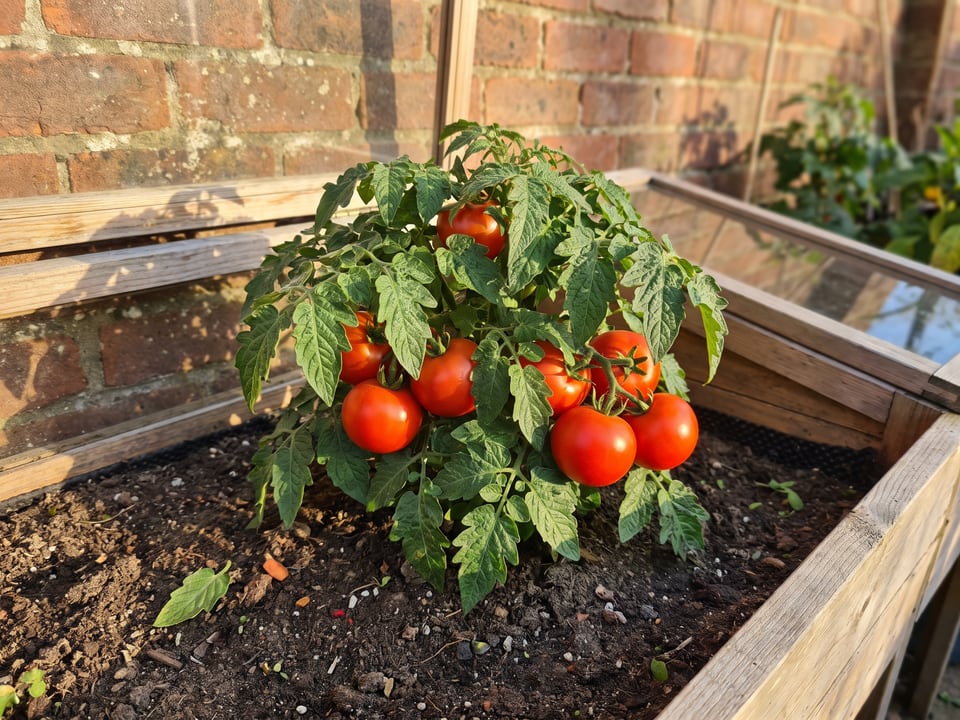
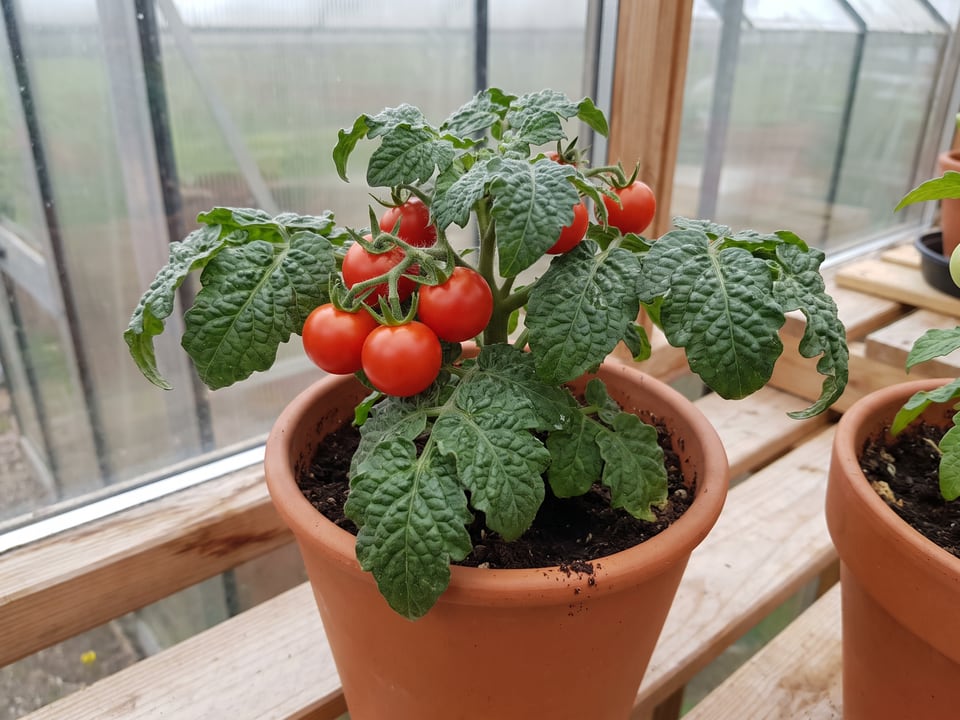
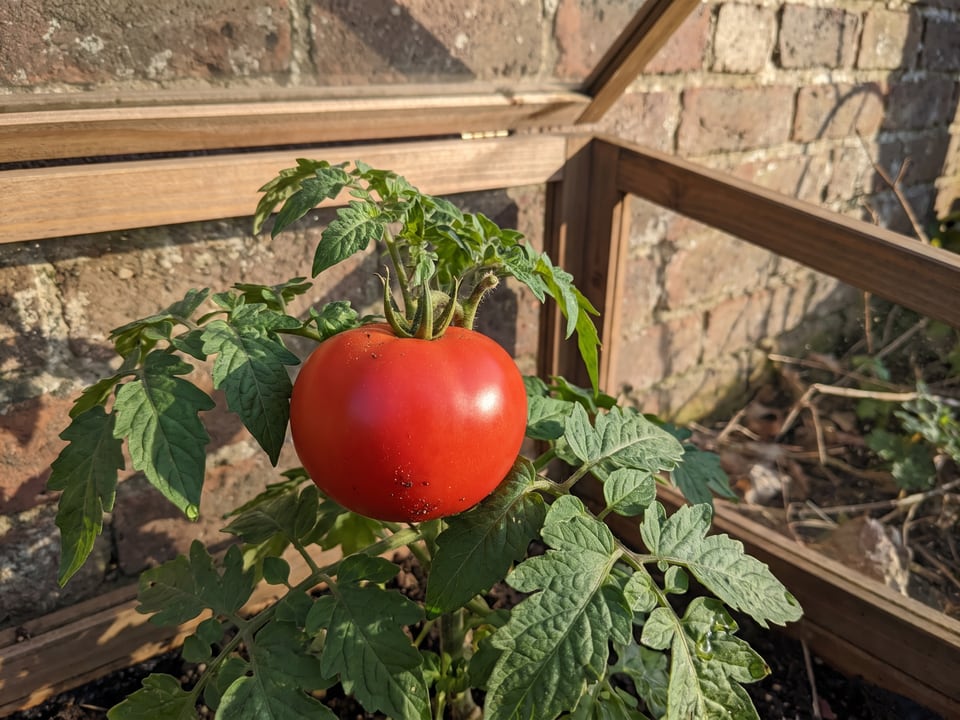
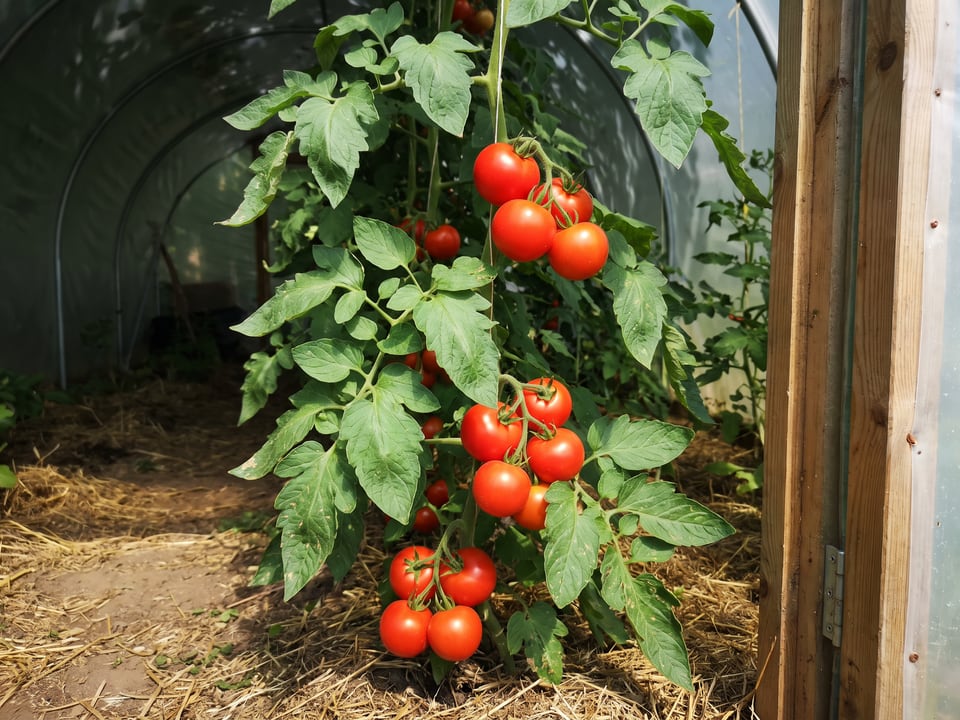
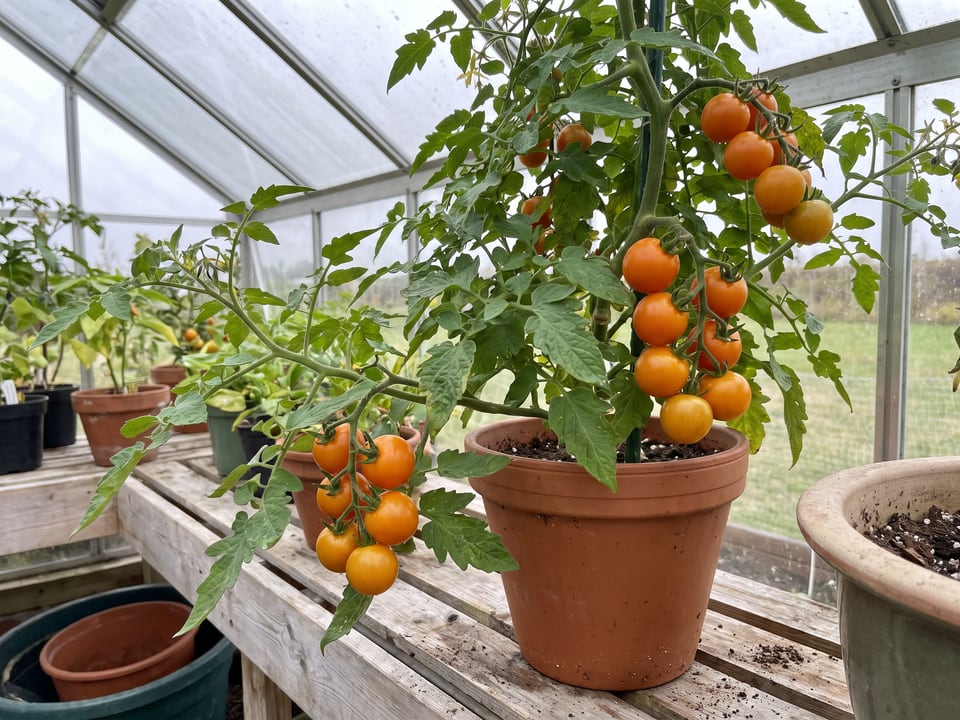
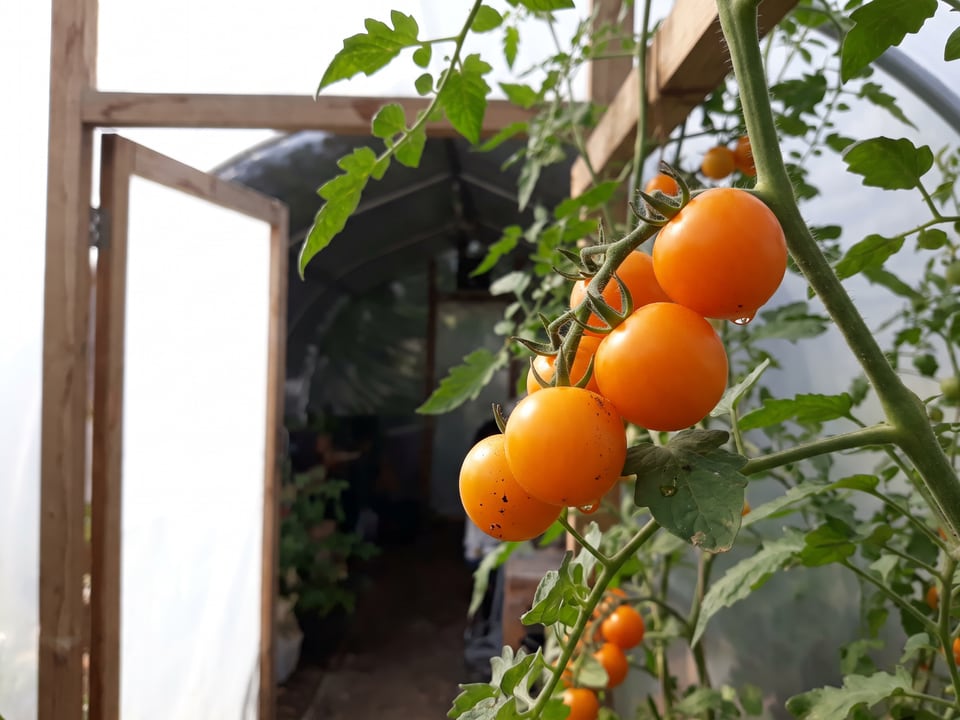
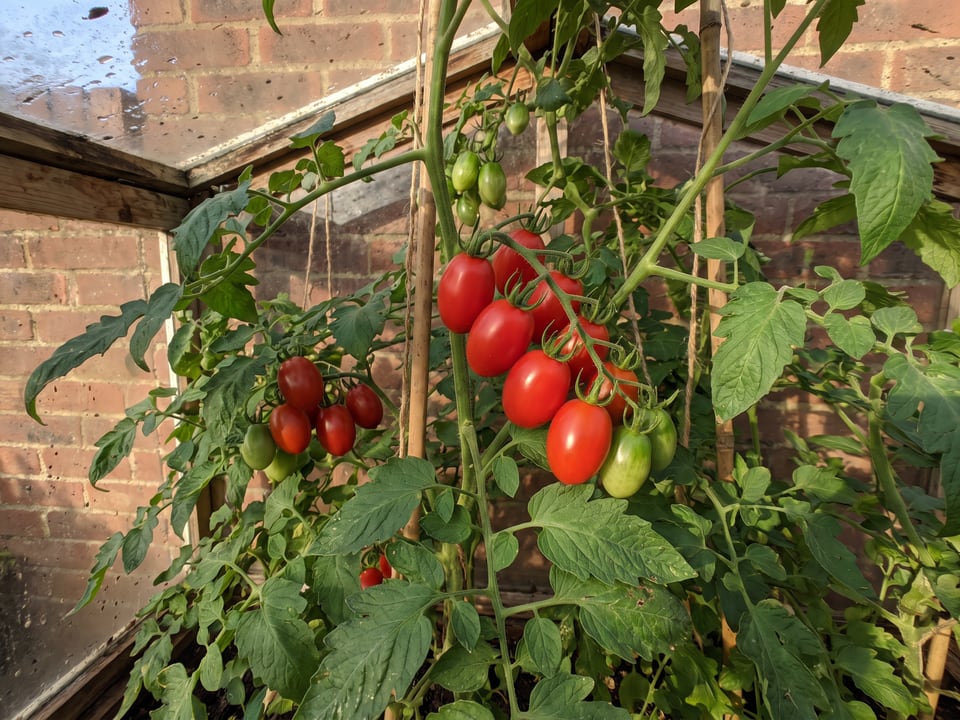
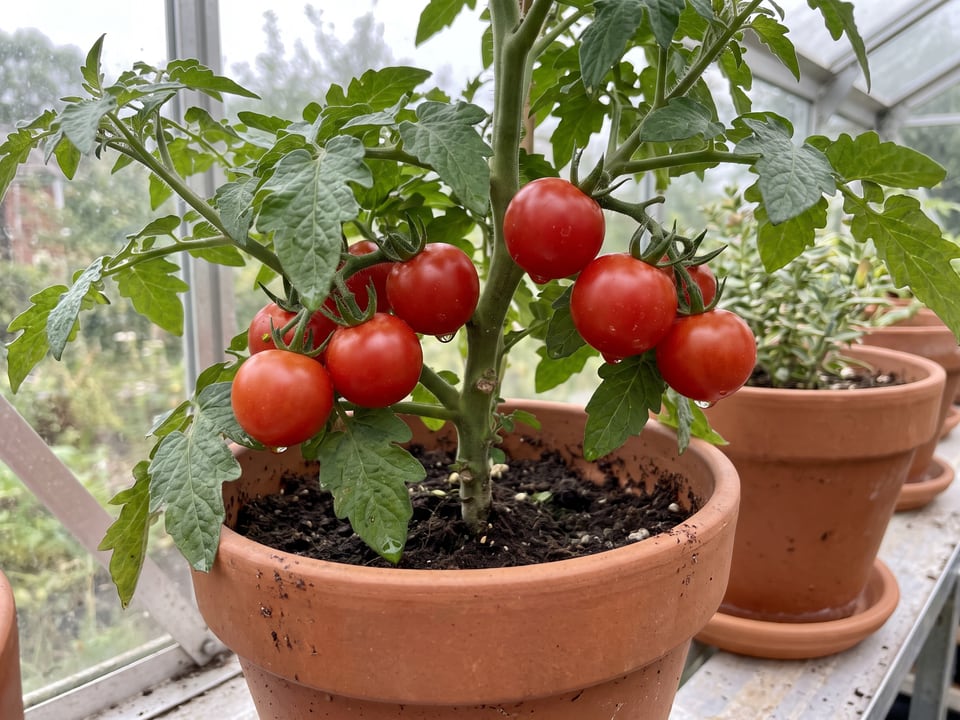
How to choose
-
Accept the trade or work around it. If you need a large tomato in a short season, Early Girl is the only variety here that delivers one, and the alternative is starting a mid-season variety earlier indoors rather than choosing a different early one. There is no 60-day beefsteak, in this catalogue or anywhere.
-
Early does not mean short-lived. Eight of these ten are indeterminate or dwarf and will keep producing until frost, so an early variety gives you a longer harvest window rather than merely a sooner one. In a 100-day season that difference is several extra weeks of picking, not several extra days.
-
Half of this list is container-capable. Aztek, Little Bing, Orange Hat and Red Robin are micro dwarfs and Tiny Tim is a dwarf, which means a cold-climate gardener can combine early ripening with a pot that can be moved somewhere warm. That combination is the practical answer to a short season with unreliable spring weather.
-
Days are counted from transplant, not from sowing. A 55-day variety still needs six to eight weeks indoors first, so the real calendar from seed to first tomato is closer to fourteen weeks. Planning from the wrong end of that number is the most common reason an early variety disappoints.
Compare side by side
| Color | Uses | |||||
|---|---|---|---|---|---|---|
| Aztek | 55 (estimated) | 0–1 oz (10–18 g) (estimated) | Micro dwarf | 4 (estimated) / 2 (estimated) / 2 (estimated) | Snacking | |
| Early Girl | 59 | 4–6 oz (110–170 g) (estimated) | Indeterminate | 3 (estimated) / 3 (estimated) / 3 (estimated) | Slicing, Fresh & salads | |
| Five Star Grape | 62 | ~1 oz (15–25 g) (estimated) | Indeterminate | 4 (estimated) / 3 (estimated) / 3 (estimated) | Fresh & salads, Snacking, Roasting | |
| Glacier | 55 | 1–3 oz (40–80 g) | Determinate | 4 (estimated) / 3 (estimated) / 3 (estimated) | Fresh & salads, Snacking | |
| Gold Nugget | 58 | ~1 oz (15–30 g) | Determinate | 4 (estimated) / 3 (estimated) / 3 (estimated) | Fresh & salads, Snacking | |
| Husky Cherry Red | 60 | ~1 oz (15–30 g) | Dwarf | 4 (estimated) / 3 (estimated) / 3 (estimated) | Fresh & salads, Snacking | |
| Juliet | 60 | 1–2 oz (28–57 g) | Indeterminate | 4 (estimated) / 3 (estimated) / 3 (estimated) | Snacking, Fresh & salads, Roasting | |
| Little Bing | 60 | 0–1 oz (10–18 g) (estimated) | Dwarf | 4 (estimated) / 3 (estimated) / 3 (estimated) | Snacking | |
| Orange Hat | 60 (estimated) | <1 oz (5–10 g) (estimated) | Micro dwarf | 4 (estimated) / 2 (estimated) / 3 (estimated) | Snacking | |
| Oregon Spring | 58 | 5–8 oz (140–220 g) | Determinate | 3 (estimated) / 3 (estimated) / 3 (estimated) | Fresh & salads, Slicing | |
| Red Robin | 55 (estimated) | 0–1 oz (10–18 g) (estimated) | Micro dwarf | 3 (estimated) / 3 (estimated) / 2 (estimated) | Snacking | |
| Siletz | 52 | 5–8 oz (140–220 g) | Determinate | 3 (estimated) / 3 (estimated) / 3 (estimated) | Fresh & salads, Slicing | |
| Stupice | 55 | 1–3 oz (30–85 g) | Indeterminate | 3 (estimated) / 4 (estimated) / 3 (estimated) | Fresh & salads, Snacking, Slicing | |
| Sun Sugar | 62 | 0–1 oz (12–18 g) (estimated) | Indeterminate | 5 (estimated) / 2 (estimated) / 4 (estimated) | Snacking, Fresh & salads | |
| Sungold | 57 | ~1 oz (15–20 g) | Indeterminate | 5 (estimated) / 2 (estimated) / 4 (estimated) | Snacking, Fresh & salads | |
| Sweet Hearts | 60 (estimated) | ~1 oz (15–25 g) (estimated) | Indeterminate | 5 (estimated) / 2 (estimated) / 3 (estimated) | Fresh & salads, Snacking, Roasting | |
| Tiny Tim | 60 (estimated) | 0–1 oz (12–20 g) (estimated) | Dwarf | 3 (estimated) / 3 (estimated) / 3 (estimated) | Fresh & salads, Snacking |
Values marked like this (estimated) are model estimates, not confirmed from a source.
Frequently asked questions
What is the earliest tomato variety?
Aztek and Red Robin at 55 days from transplant, with Sungold and Early Girl at 57. All figures on this site count from transplant rather than from sowing.
Why are early tomatoes always small?
Because a small fruit takes less time and fewer resources to fill and ripen. The relationship is physical rather than a breeding choice, which is why nine of the ten early varieties here are under 40 g and there is no early beefsteak anywhere.
Is there an early large tomato?
Early Girl at 110 to 170 g and 57 days is the closest thing, and it is the only variety in this catalogue that combines a slicing-sized fruit with early ripening. Beyond that, the answer in a short season is starting a mid-season variety earlier indoors.
Do early tomatoes stop producing sooner?
Not usually. Eight of the ten here are indeterminate or dwarf and keep setting fruit until cold stops them. Early refers to when the first fruit ripens, not to when the plant finishes.
How early can I actually pick tomatoes?
Count backwards properly: 55 days from transplant plus six to eight weeks of indoor growing plus the time from your last frost date. For most temperate gardens that puts the first ripe fruit in early to mid July at the very earliest.