Types of peppers

Types of peppers sorted by heat first: no heat, mild, medium, hot and very hot. Compare days to harvest and plant size, then see where to buy the seed and what it costs today.

All peppers

64 pepper varieties

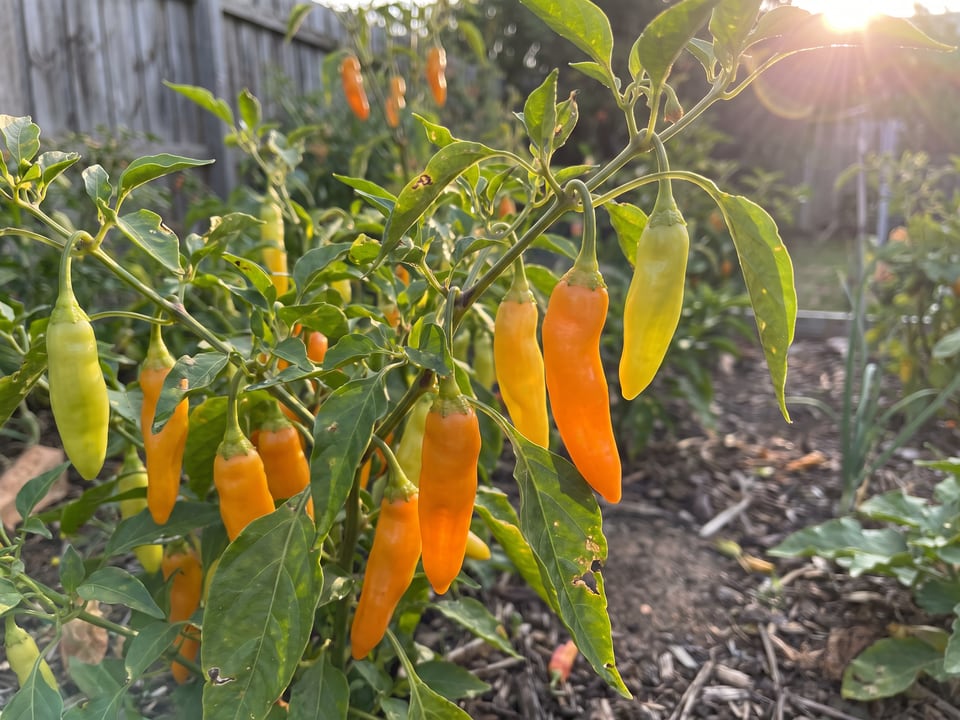
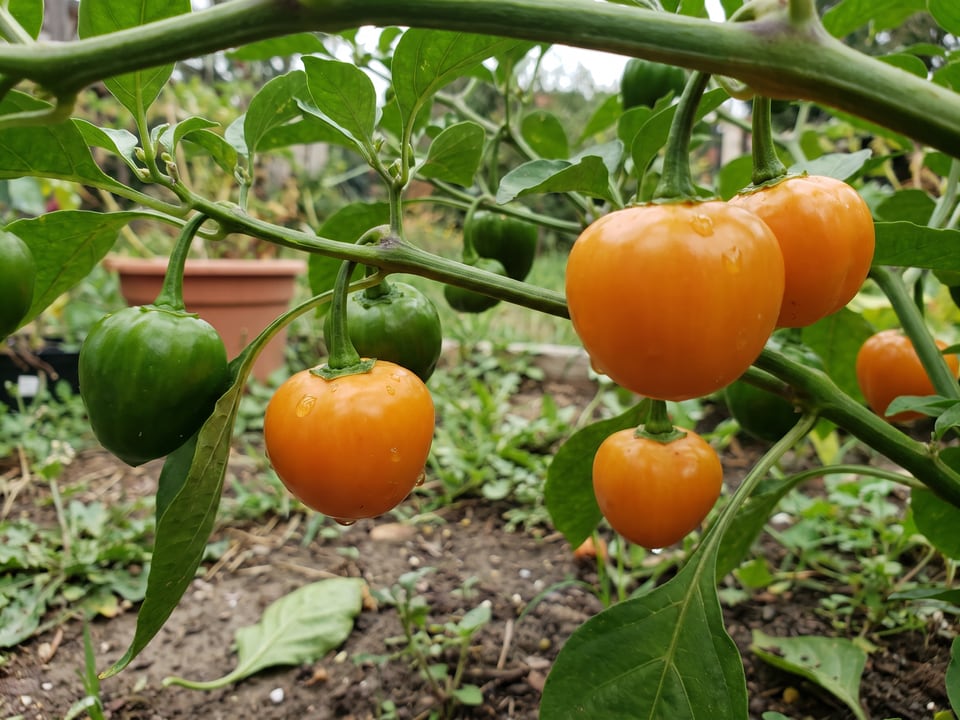
Ripe Aji Amarillo pepper pods on the plant Aji Amarillo Peruvian chile with fruity heat on a tall, late plant, blended into pastes. HotMid-lateHeirloom
Ripe Aji Dulce pepper pods on the plant Aji Dulce Caribbean seasoning pepper: habanero aroma, almost no heat. MildMid-lateHeirloom
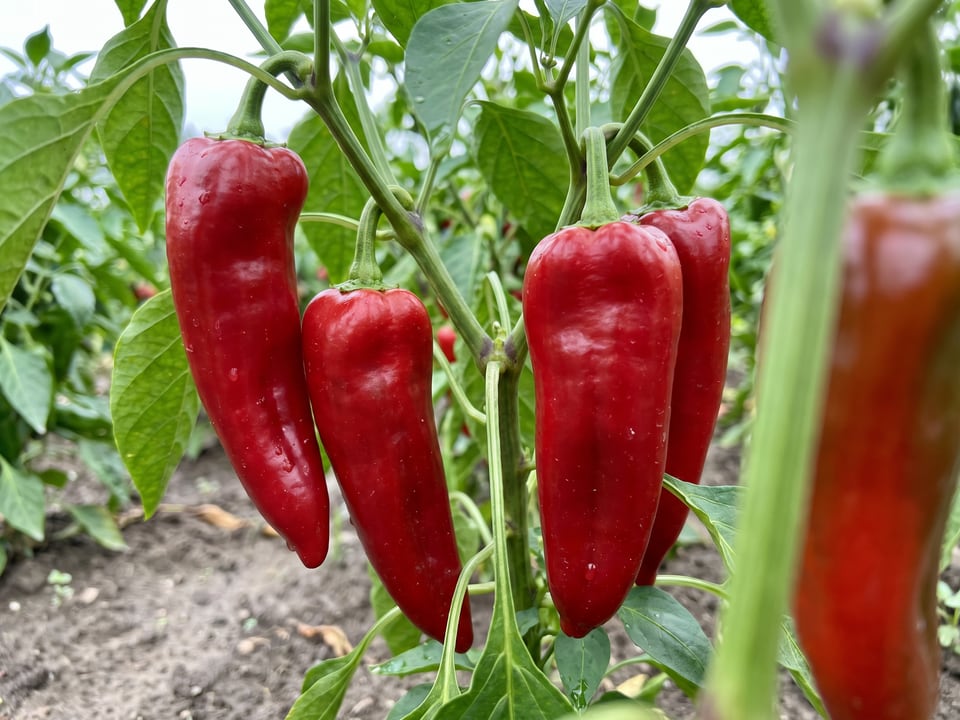
Ripe Alma Paprika pepper pods on the plant Alma Paprika Hungarian apple-shaped paprika pepper, sweet and thick-walled. MildMidseasonHeirloom
Anaheim TMR A tobacco-mosaic-resistant Anaheim line from Petoseed with long, straight green chiles. MildMidseasonOpen-pollinated
Ripe Ancho San Luis pepper pods on the plant Ancho San Luis A heart-shaped poblano that dries to a mahogany ancho, mild at 1,500 to 4,500 SHU. MildMidseasonOpen-pollinated
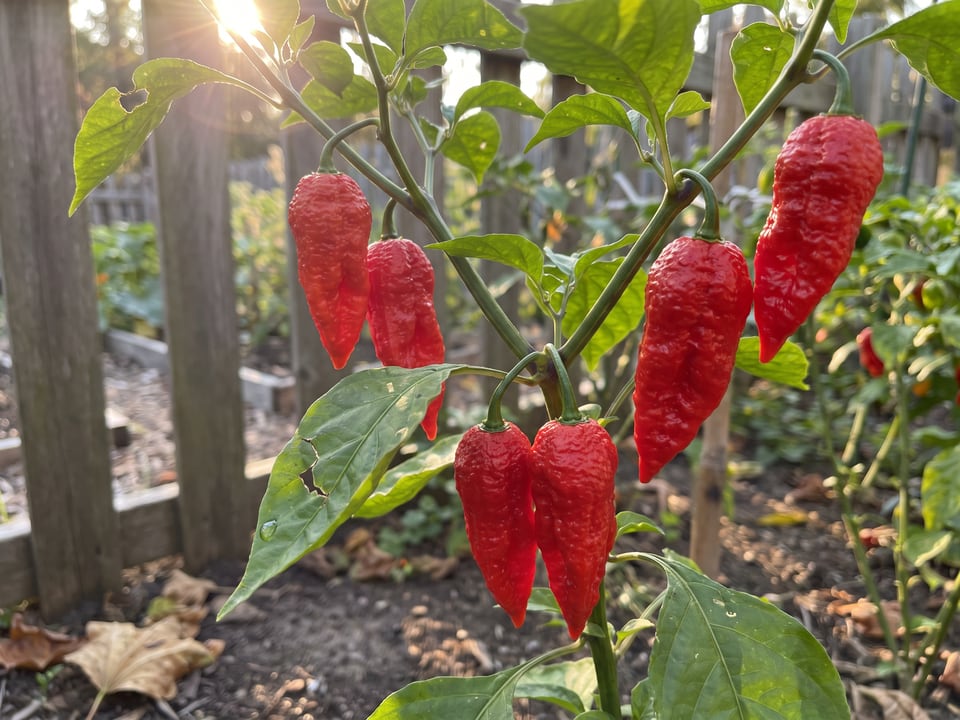
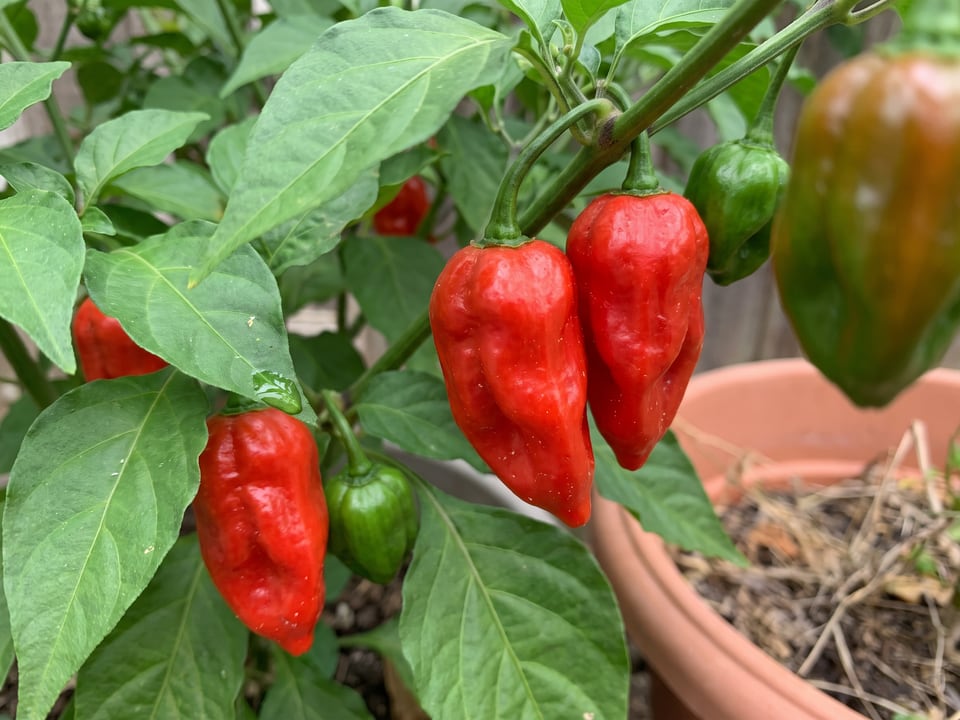
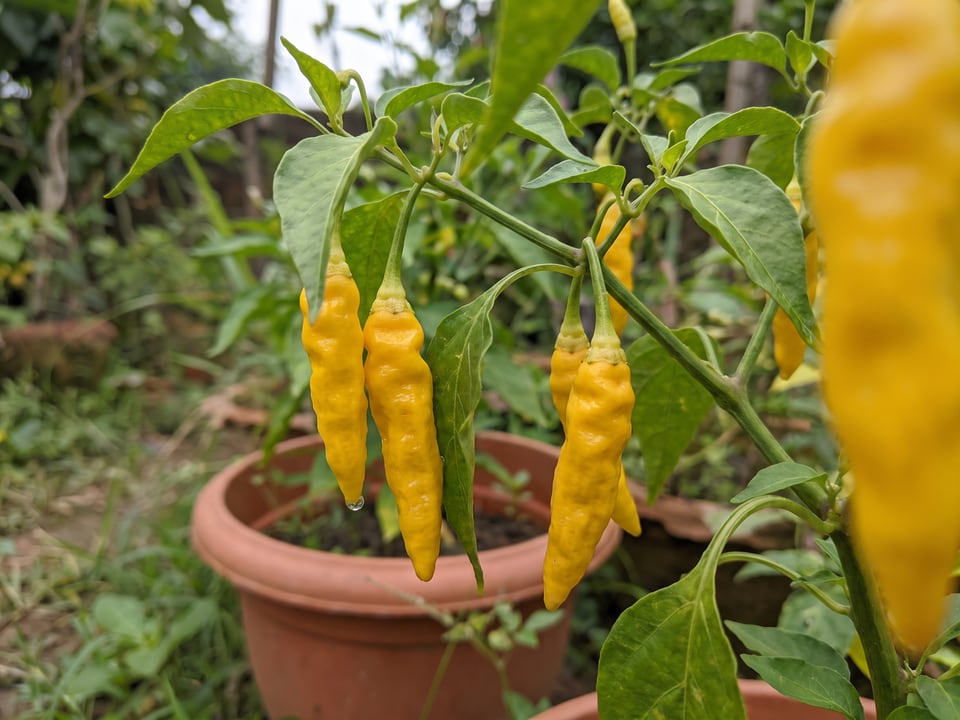
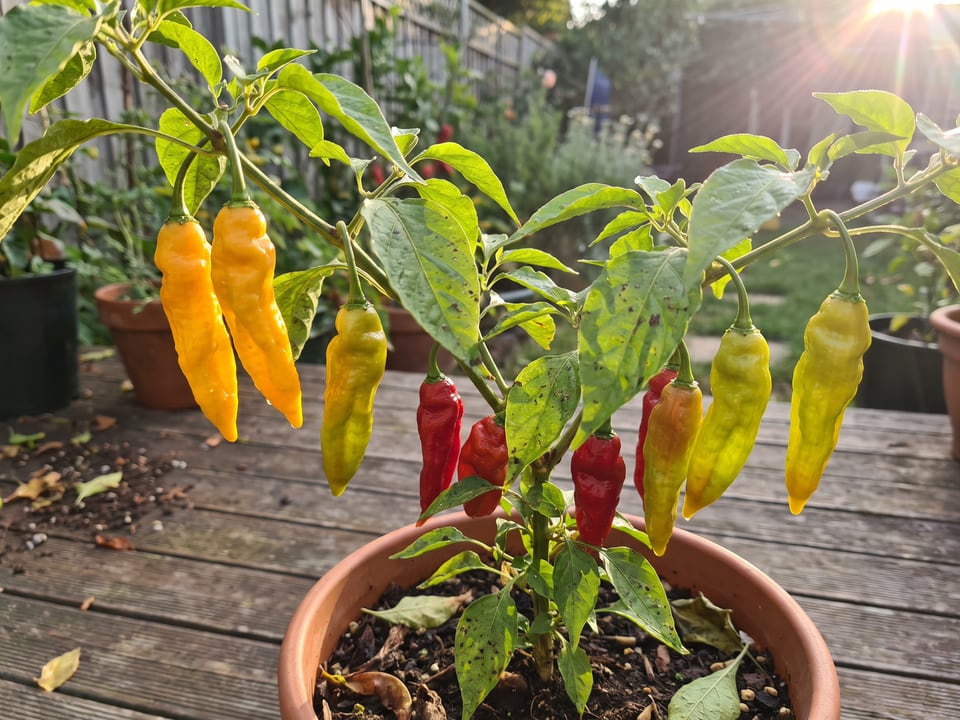
Ripe Bhut Jolokia pepper pods on the plant Bhut Jolokia The original ghost pepper: first chile measured above a million Scoville units. Very hotLateHeirloom
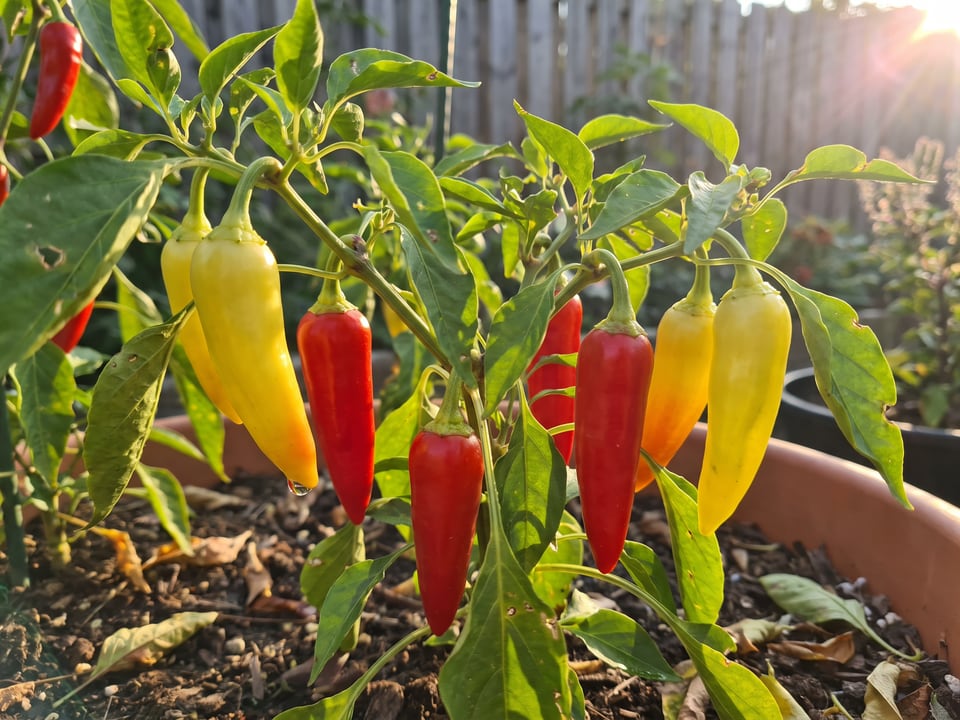
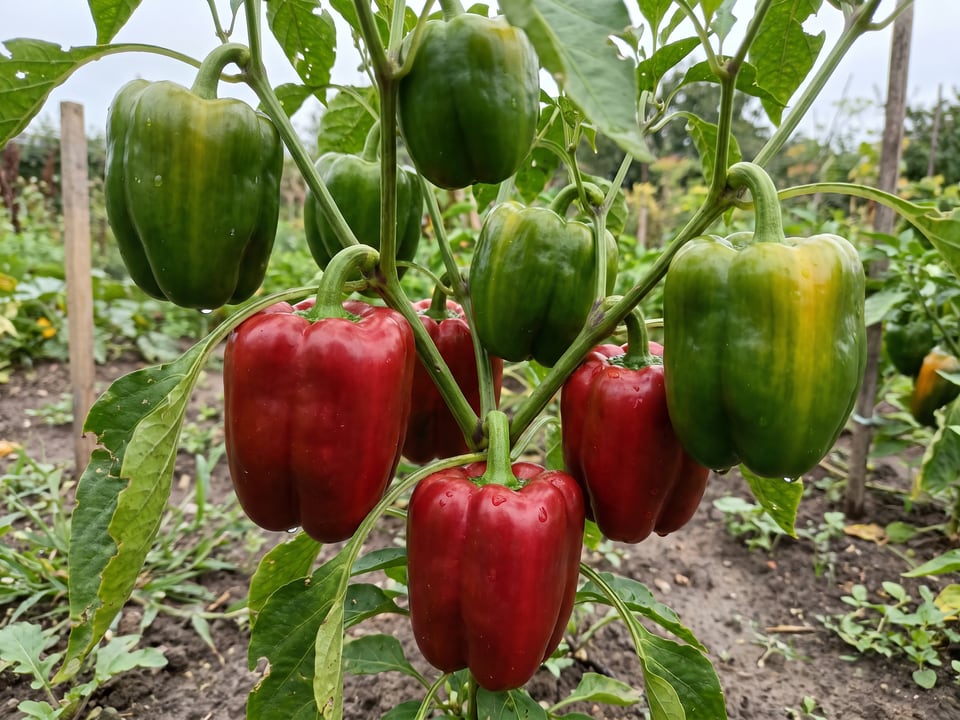
Ripe Big Bertha pepper pods on the plant Big Bertha The big bell: half as long again as a standard bell, with TMV resistance. No heatMidseasonHybrid F1
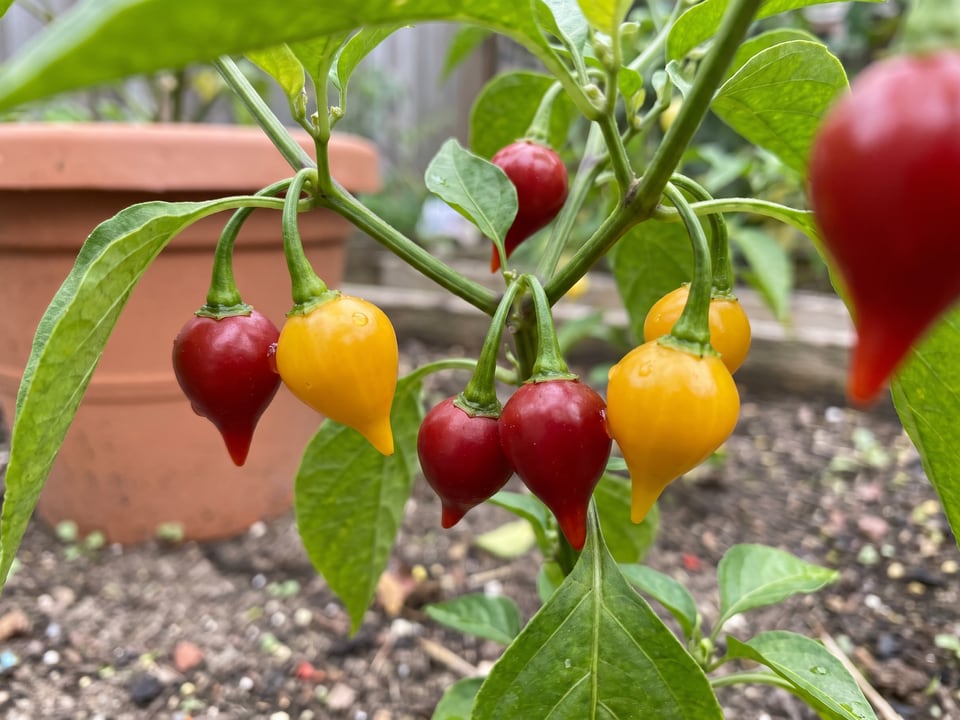
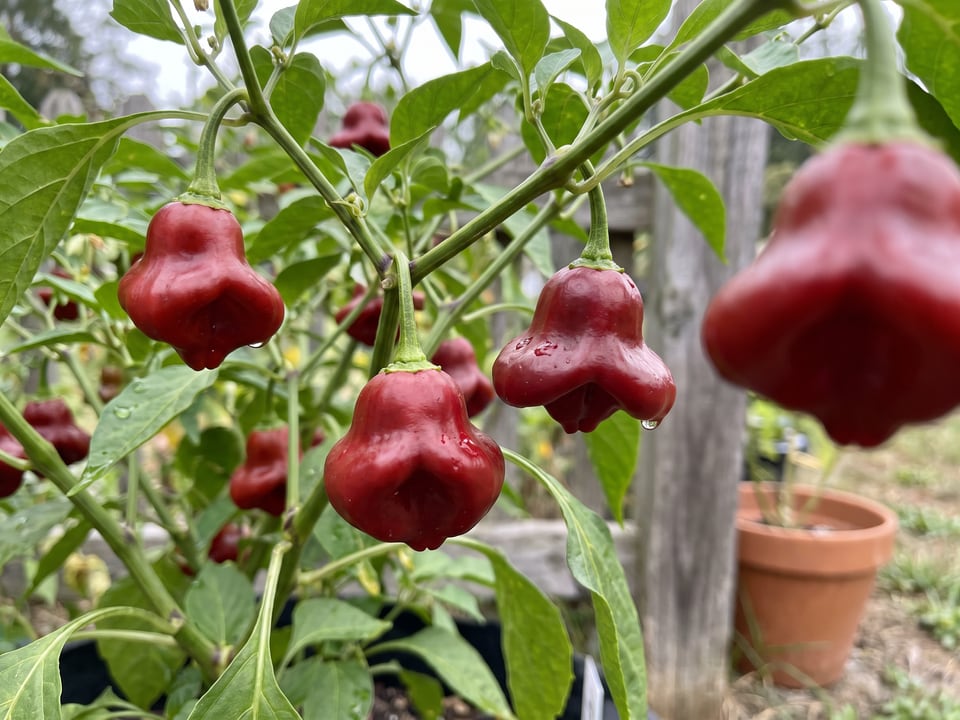
Ripe Biquinho pepper pods on the plant Biquinho Brazilian teardrop pepper with a beak-like tip, pickled whole and barely hot. MildMid-lateHeirloom
Ripe Birdseye Chili pepper pods on the plant Birdseye Chili Tiny upright chile of South-East Asian cooking, sharply hot and slow to finish. HotLateHeirloom
Ripe Bishop's Crown pepper pods on the plant Bishop's Crown Crown-shaped baccatum, mild in the wings and hotter at the core. MildMid-lateHeirloom
Ripe Black Hungarian pepper pods on the plant Black Hungarian Purple-leaved Hungarian heirloom with near-black pods and modest heat. MildMidseasonHeirloom
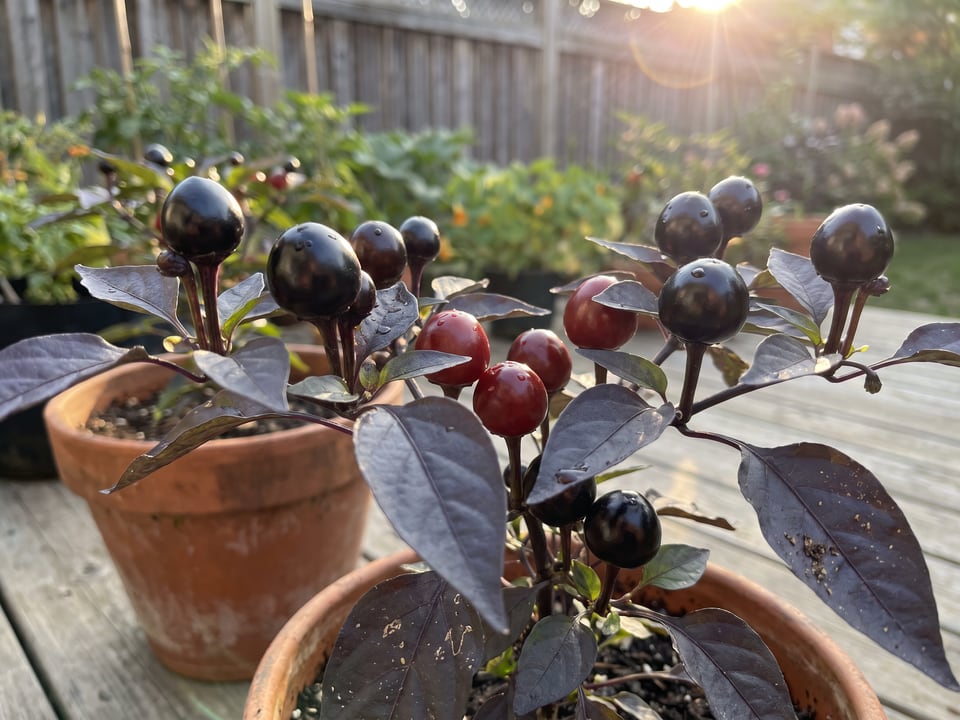
Ripe Black Pearl pepper pods on the plant Black Pearl Ornamental with near-black foliage and round black pods, an AAS winner from 2006. MediumMid-lateOpen-pollinated
Ripe Buena Mulata pepper pods on the plant Buena Mulata Purple-to-red heirloom from the same collection that preserved the Fish pepper. MediumMid-lateHeirloom
Ripe Bulgarian Carrot pepper pods on the plant Bulgarian Carrot Upright orange carrot-shaped pod, firmly hot with a fruity edge. MediumMidseasonHeirloom
Ripe Cajun Belle pepper pods on the plant Cajun Belle AAS-winning mini bell with just a trace of heat, earliest pepper in the catalogue. MildEarlyHybrid F1
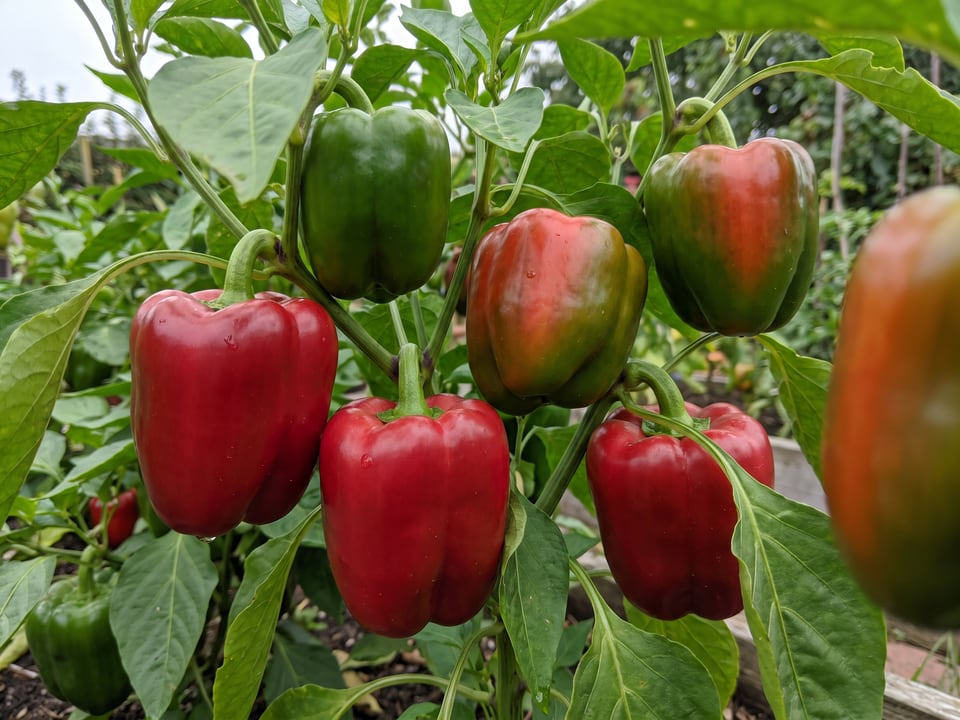
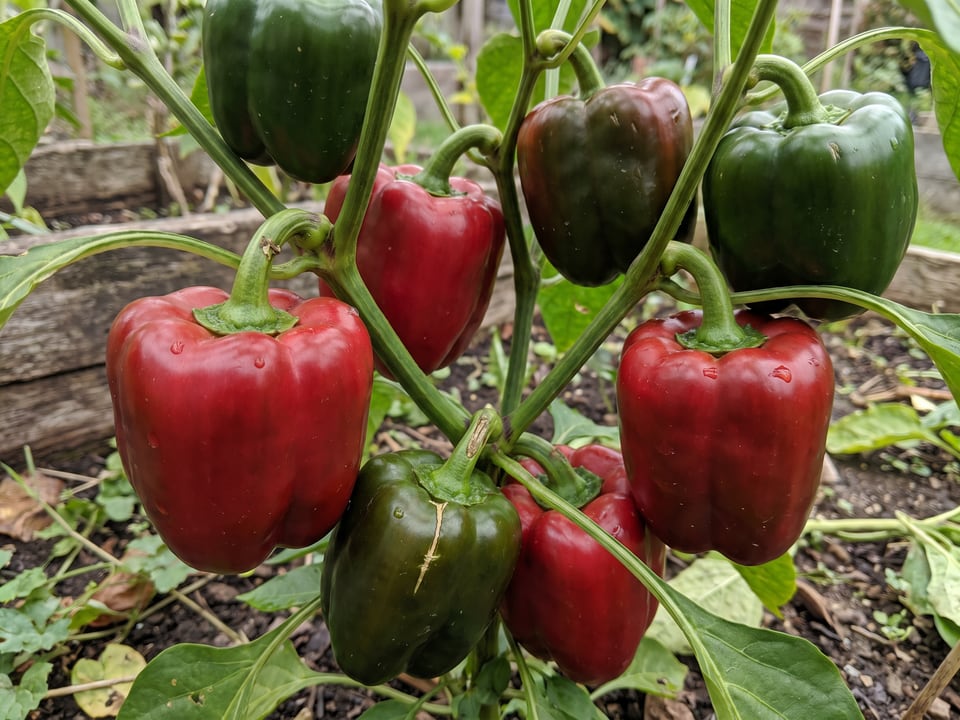
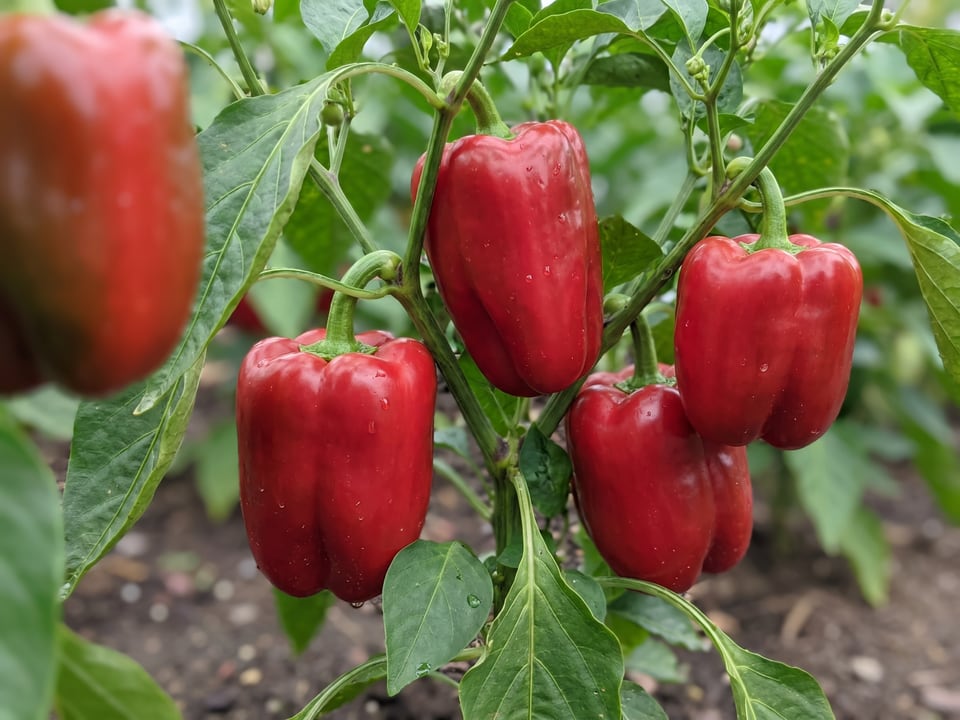
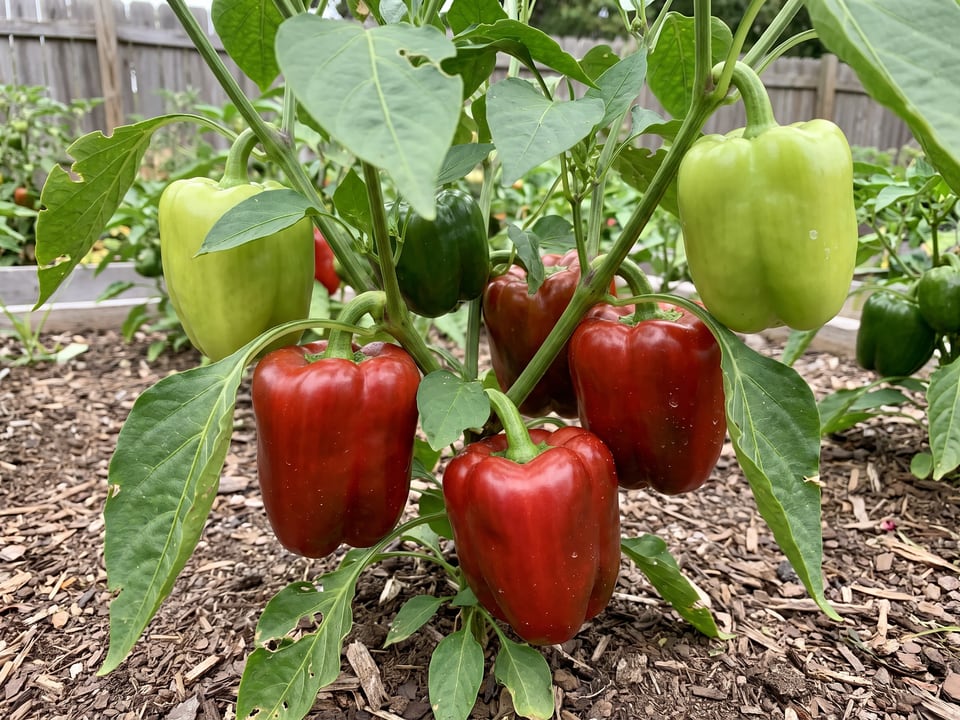
Ripe California Wonder pepper pods on the plant California Wonder The standard American bell pepper: blocky, thick-walled, green to red. No heatMidseasonHeirloom
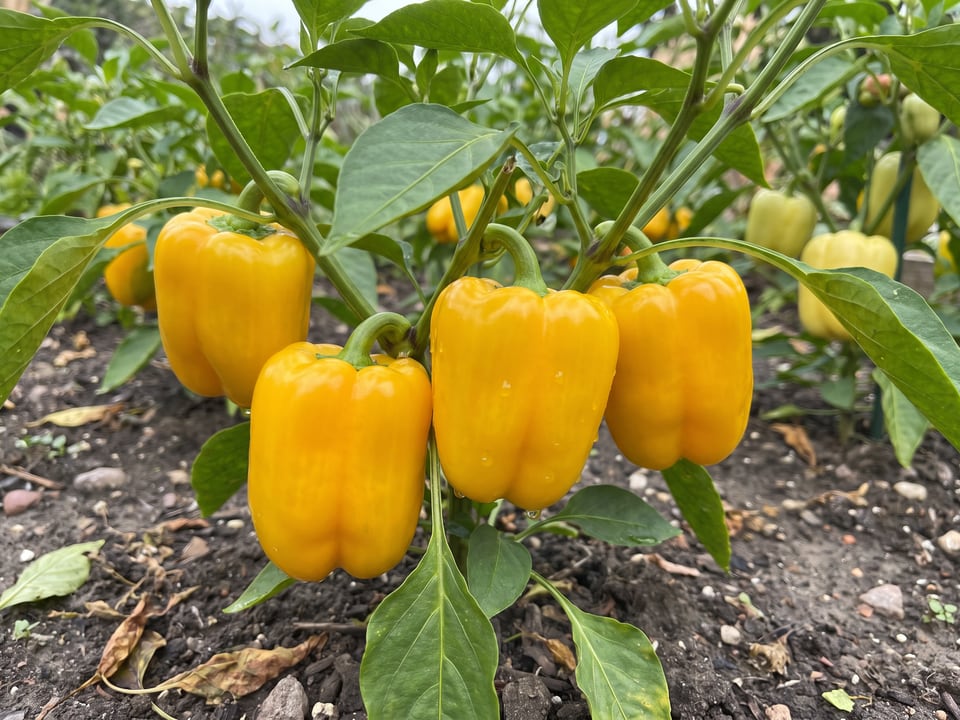
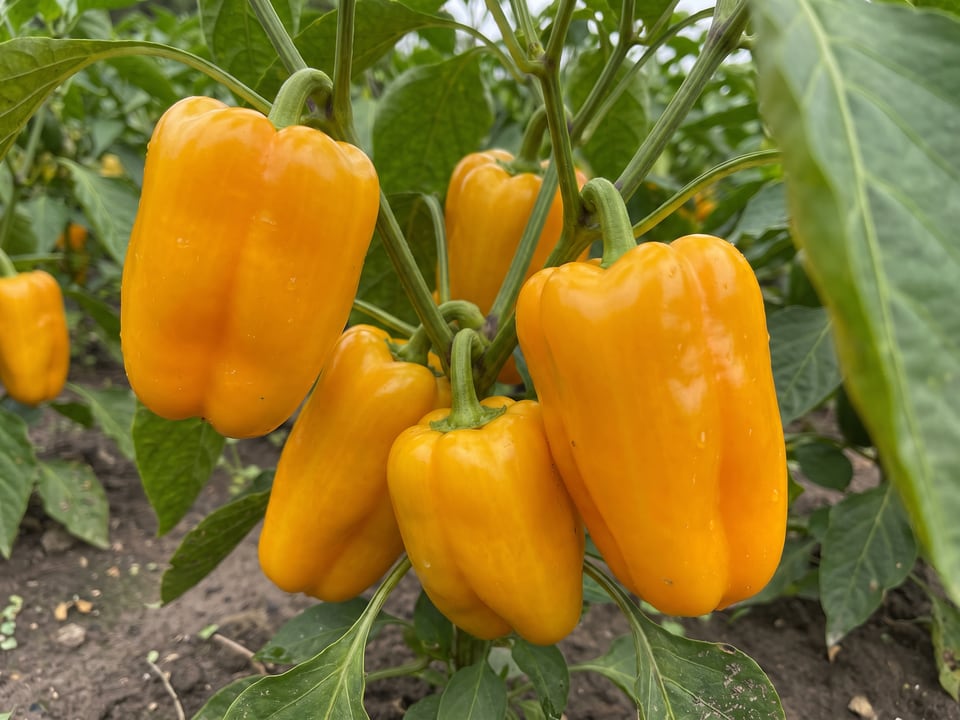
Ripe Canary Bell pepper pods on the plant Canary Bell Open-pollinated yellow bell, slower to ripen than most. No heatLateOpen-pollinated
Ripe Caribbean Red pepper pods on the plant Caribbean Red The habanero bred to be hotter than a habanero, with the same fruity flavour. Very hotLateOpen-pollinated
Ripe Carmen pepper pods on the plant Carmen Early hybrid bull's horn sweet pepper, an All-America Selections winner. No heatMidseasonHybrid F1
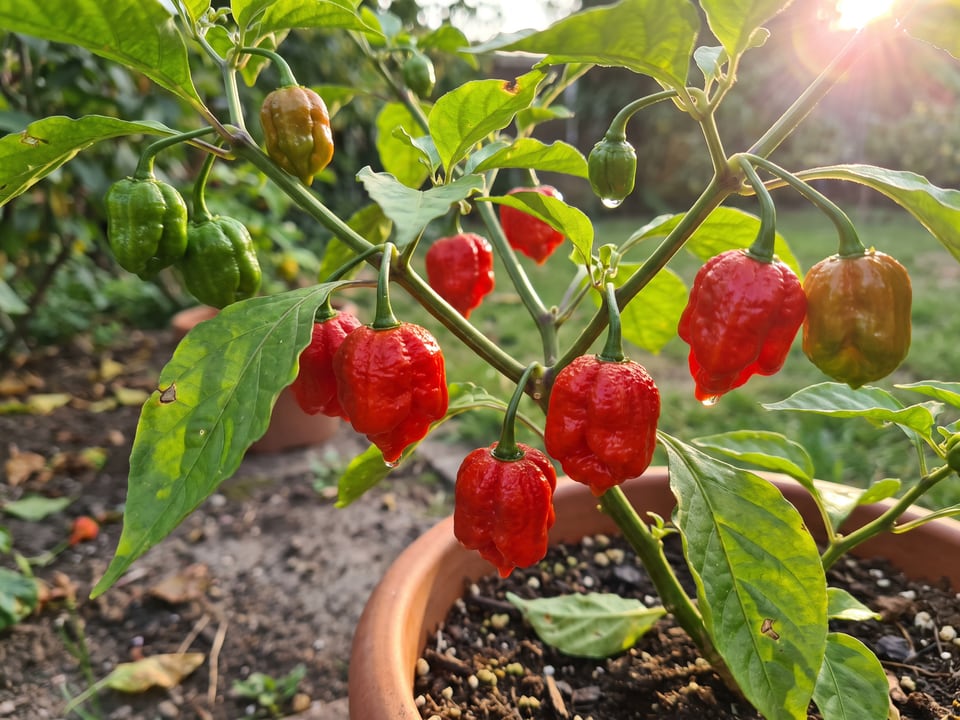
Ripe Carolina Reaper pepper pods on the plant Carolina Reaper The Guinness record holder from 2013 to 2023, bumpy red with a pointed tail. Very hotLateOpen-pollinated
Ripe Cascabella pepper pods on the plant Cascabella Small upright wax pepper, the classic pickled hot ring. MildMidseasonHeirloom
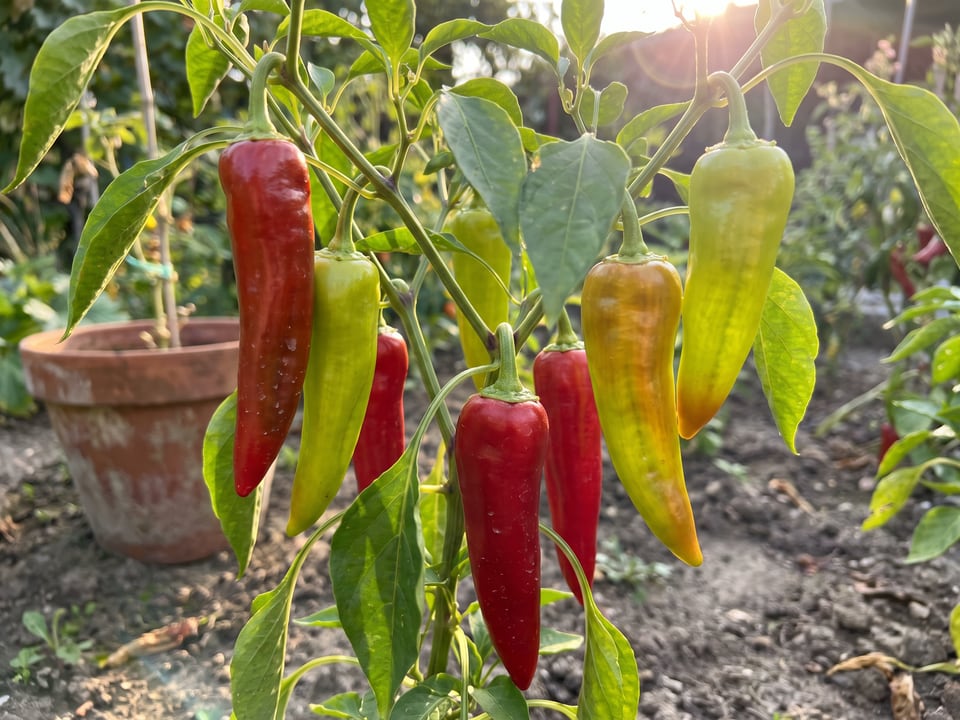
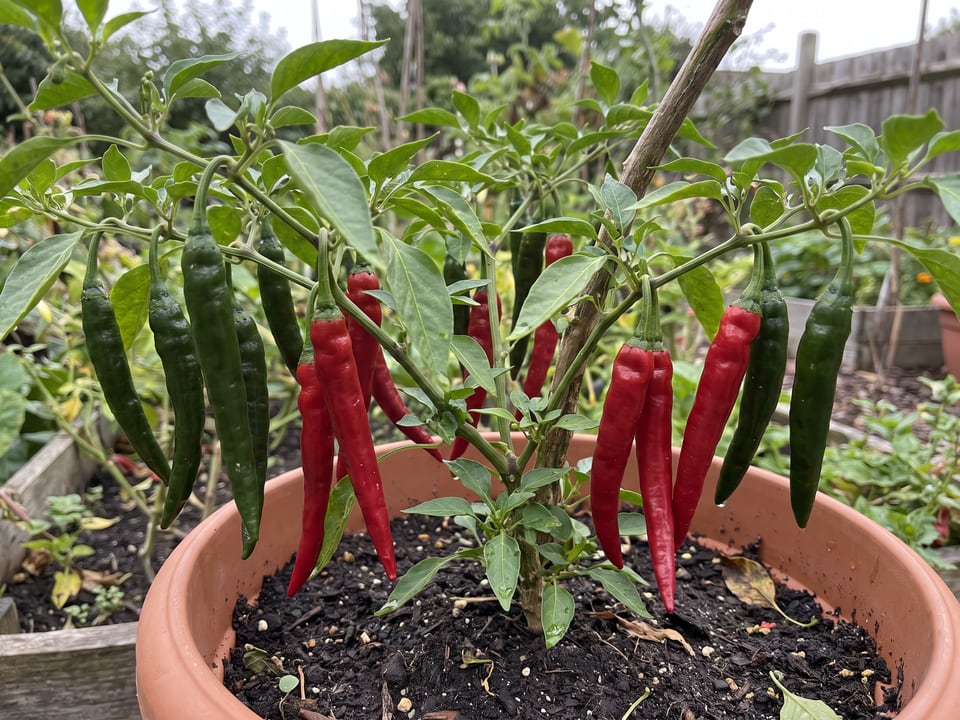
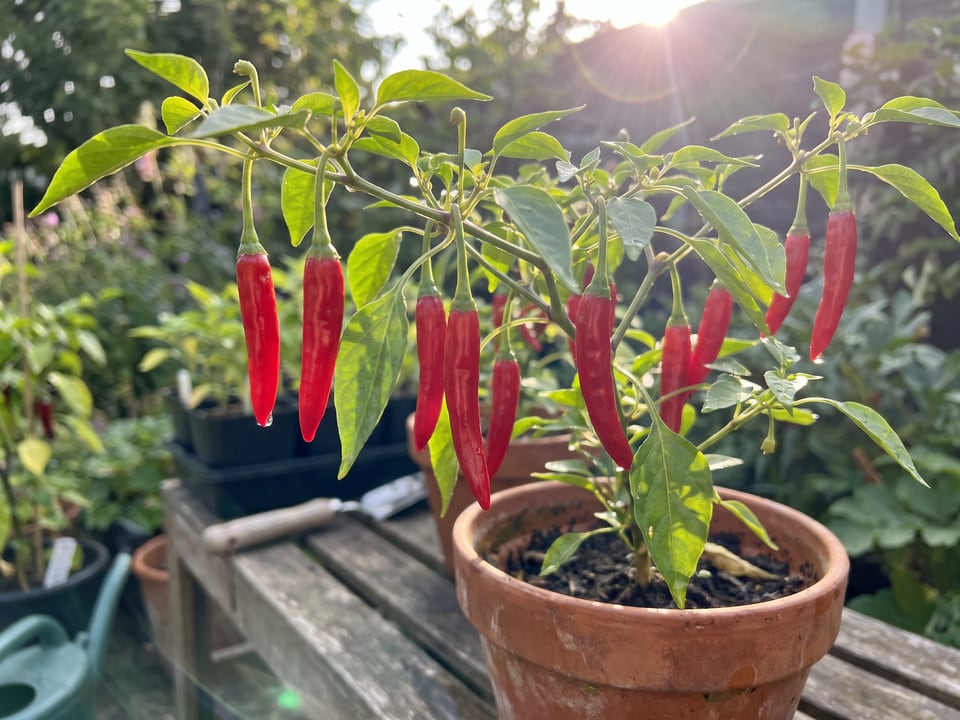
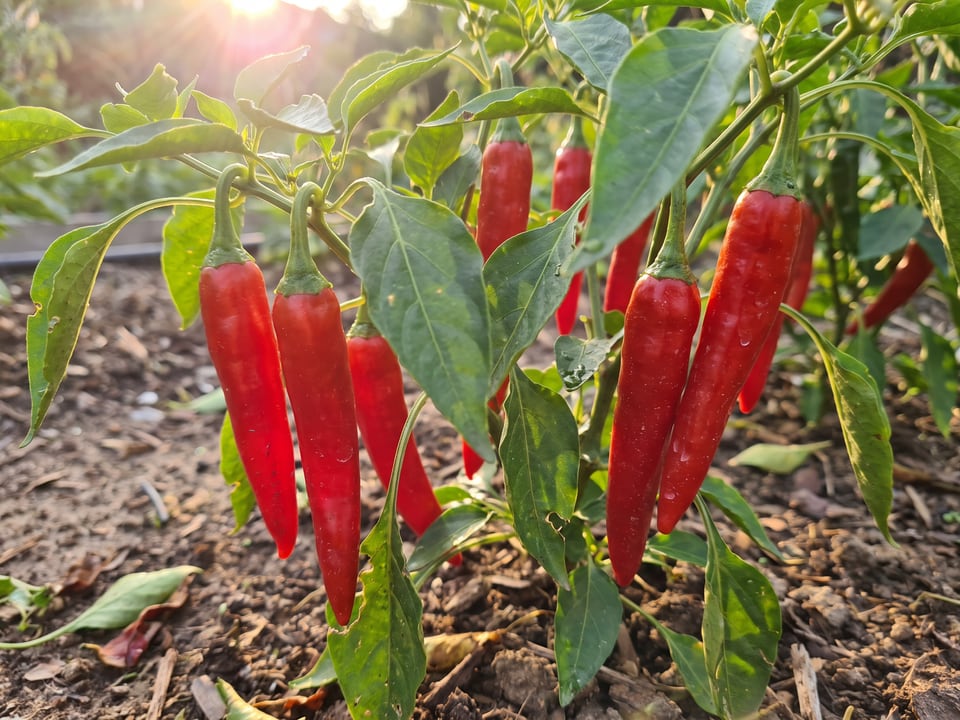
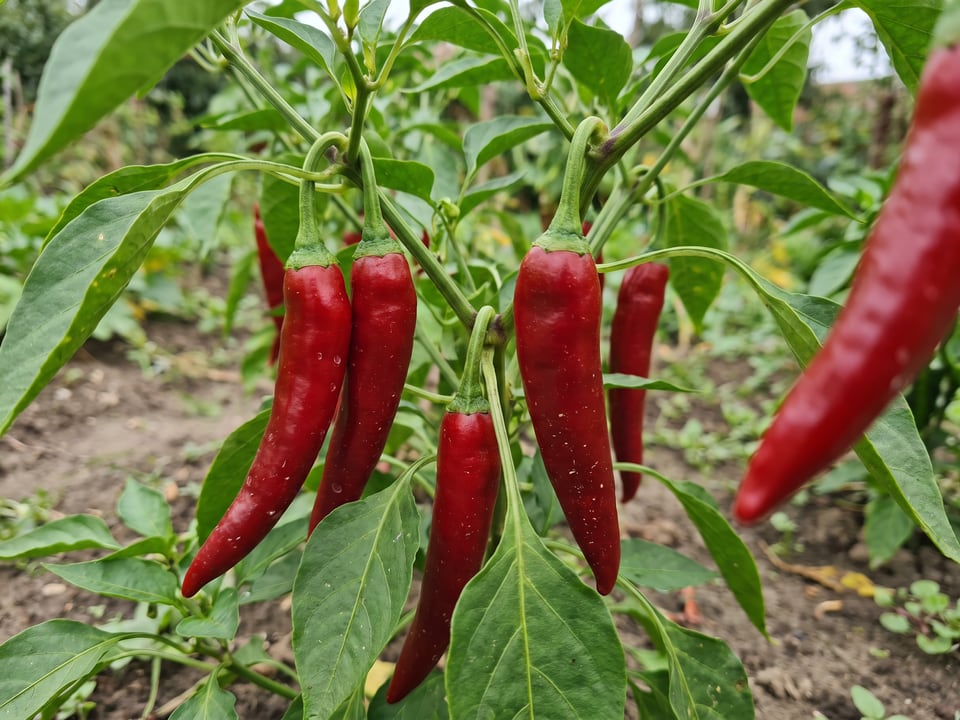
Ripe Cayenne Long Slim pepper pods on the plant Cayenne Long Slim The cayenne behind dried flakes and ground cayenne: long, slim, thin-walled and properly hot. HotMidseasonHeirloom
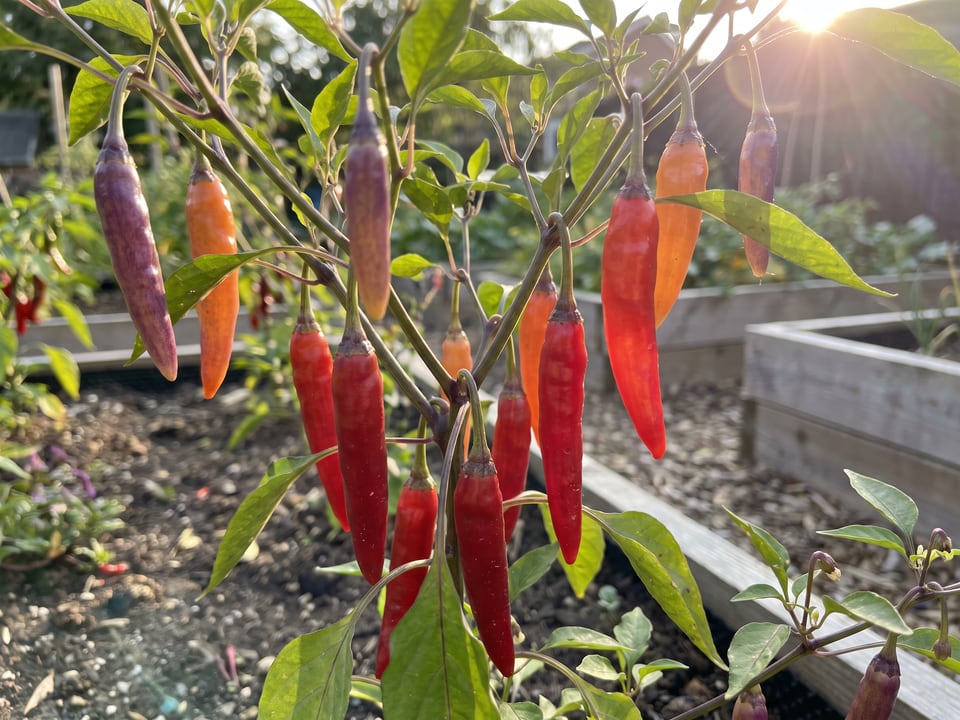
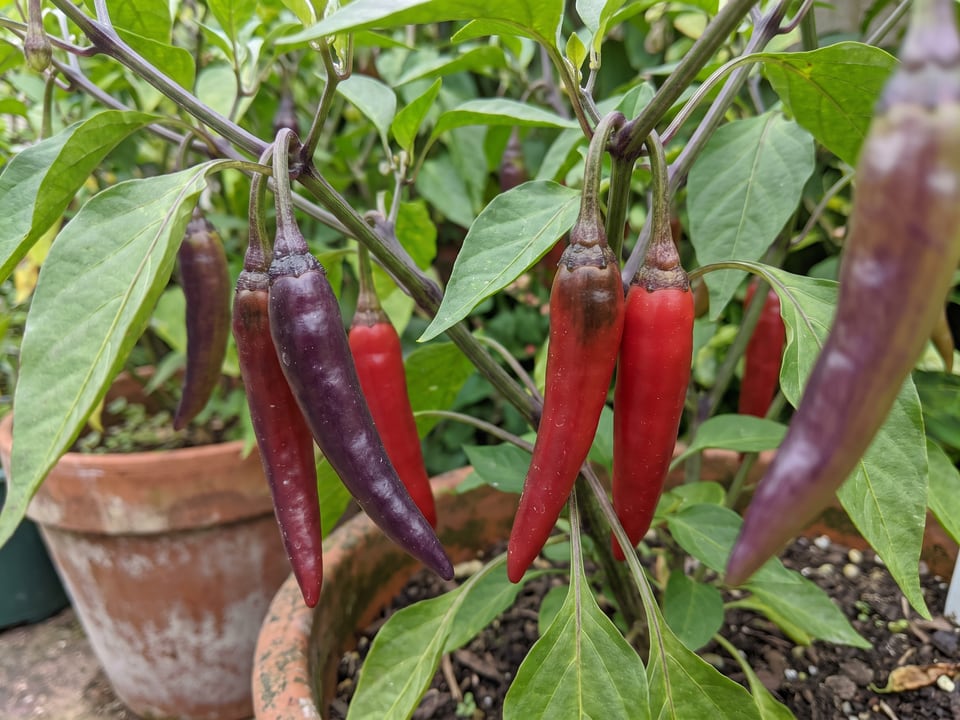
Ripe Cayenne Purple pepper pods on the plant Cayenne Purple A cayenne that ripens through deep purple, with standard cayenne heat. HotMidseasonHeirloom
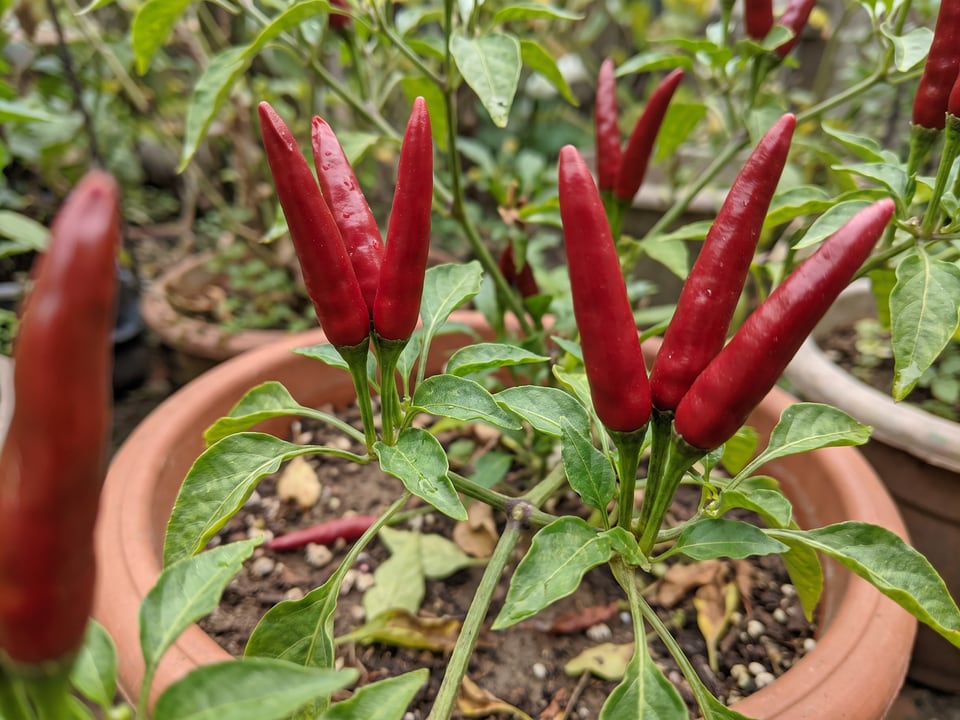
Ripe Chile de Arbol pepper pods on the plant Chile de Arbol Long, thin red chile of Mexican cooking, dried whole or ground for sauces. MediumMid-lateHeirloom
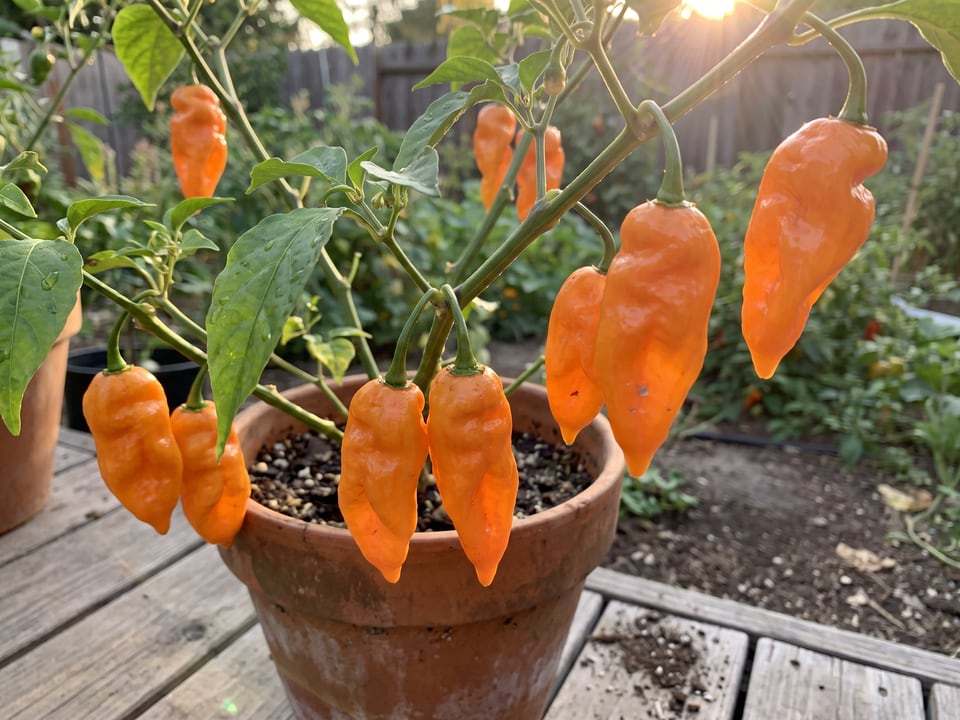
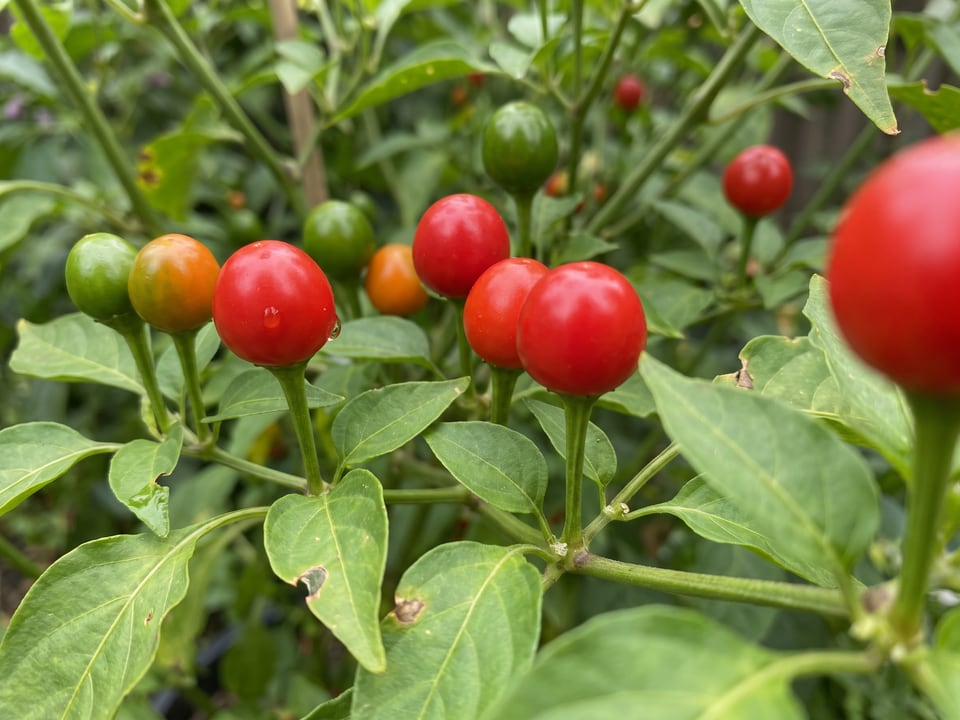
Ripe Chiltepin pepper pods on the plant Chiltepin Wild bird pepper with tiny round fruit and sharp heat, dried and crushed. HotLateOpen-pollinated
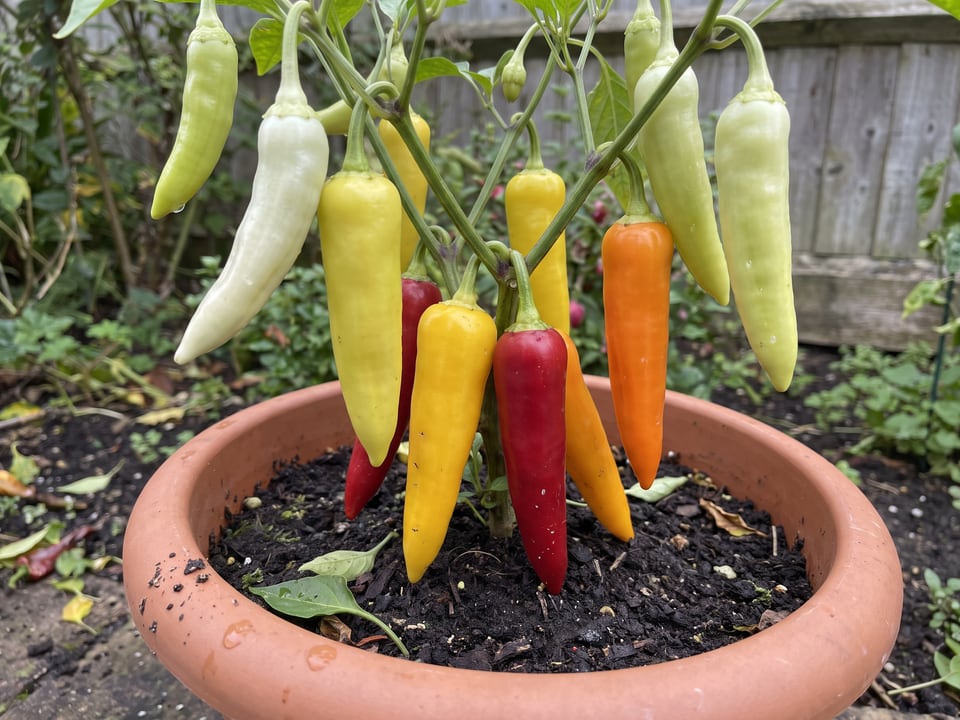
Ripe Chimayo pepper pods on the plant Chimayo Northern New Mexico landrace chile, dried red for chile sauce. MildMidseasonHeirloom
Ripe Chinese Giant pepper pods on the plant Chinese Giant Very large, almost square old heirloom bell for stuffing. No heatMid-lateHeirloom
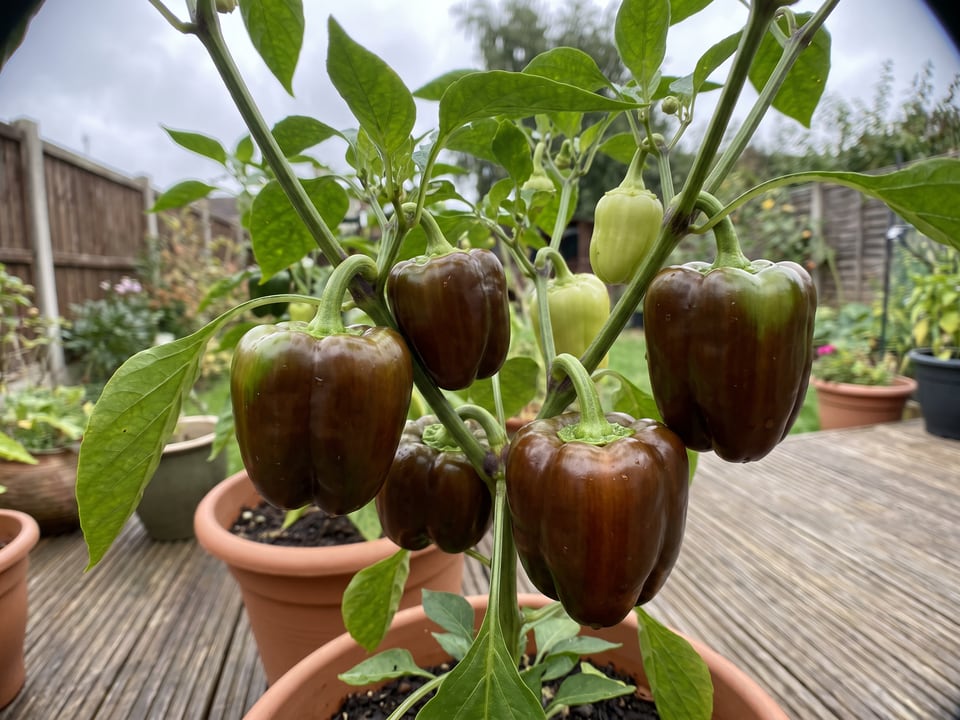
Ripe Chocolate Beauty pepper pods on the plant Chocolate Beauty Large bell that ripens chocolate brown and sweetens as it colours, with TMV resistance. No heatEarlyHybrid F1
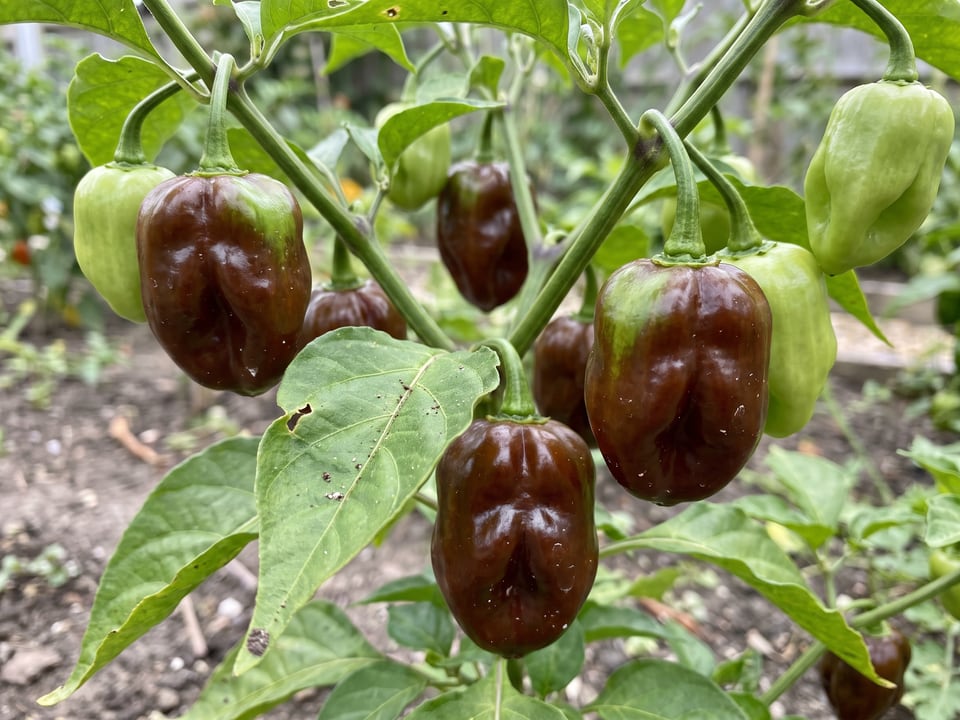
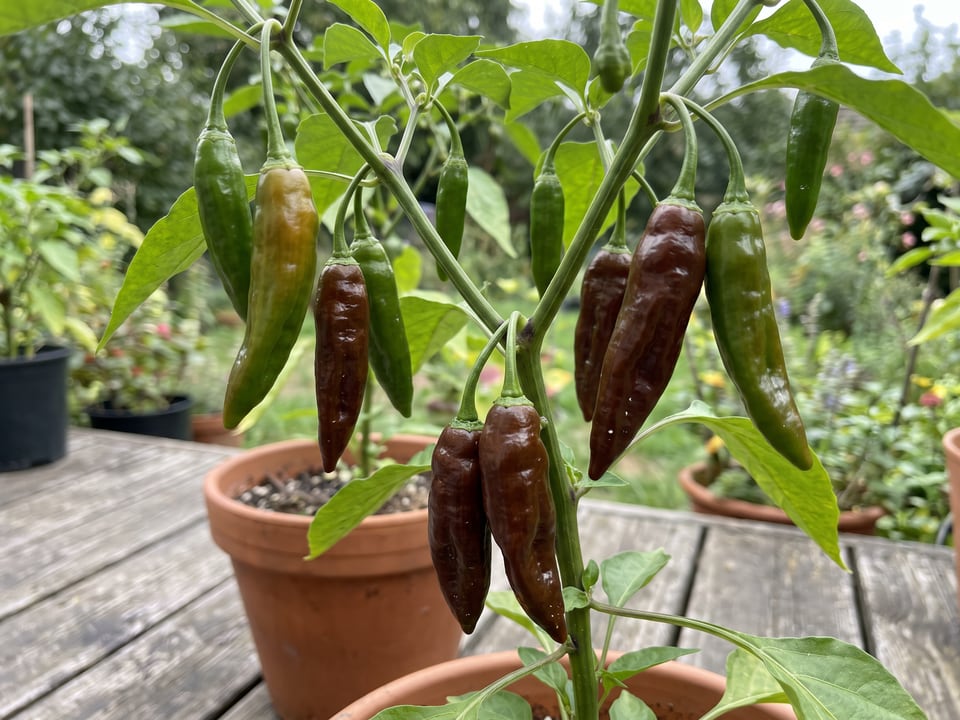
Ripe Chocolate Habanero pepper pods on the plant Chocolate Habanero The brown habanero, smokier than the orange one and slow to germinate. Very hotMid-lateHeirloom
Ripe Corno di Toro pepper pods on the plant Corno di Toro Italian bull's horn frying pepper, thin-walled and very sweet, in red and yellow. No heatMidseasonHeirloom
Ripe Cubanelle pepper pods on the plant Cubanelle Cuban frying pepper, long and thin-walled, with barely any heat. MildEarlyOpen-pollinated
Ripe Datil pepper pods on the plant Datil Florida's regional superhot, habanero heat with real sweetness behind it. Very hotLateHeirloom
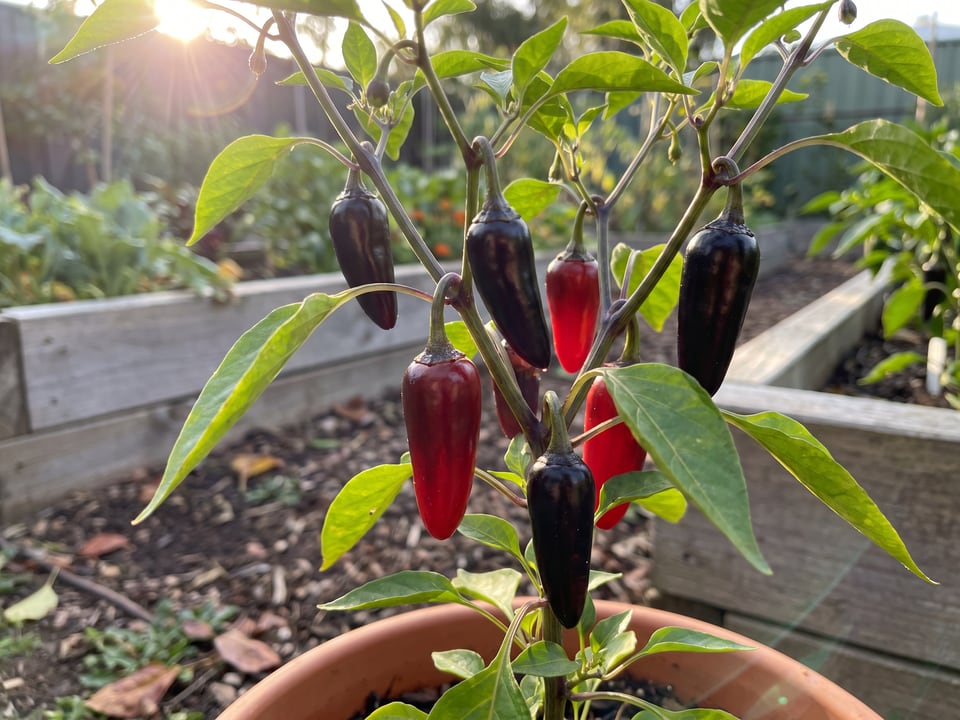
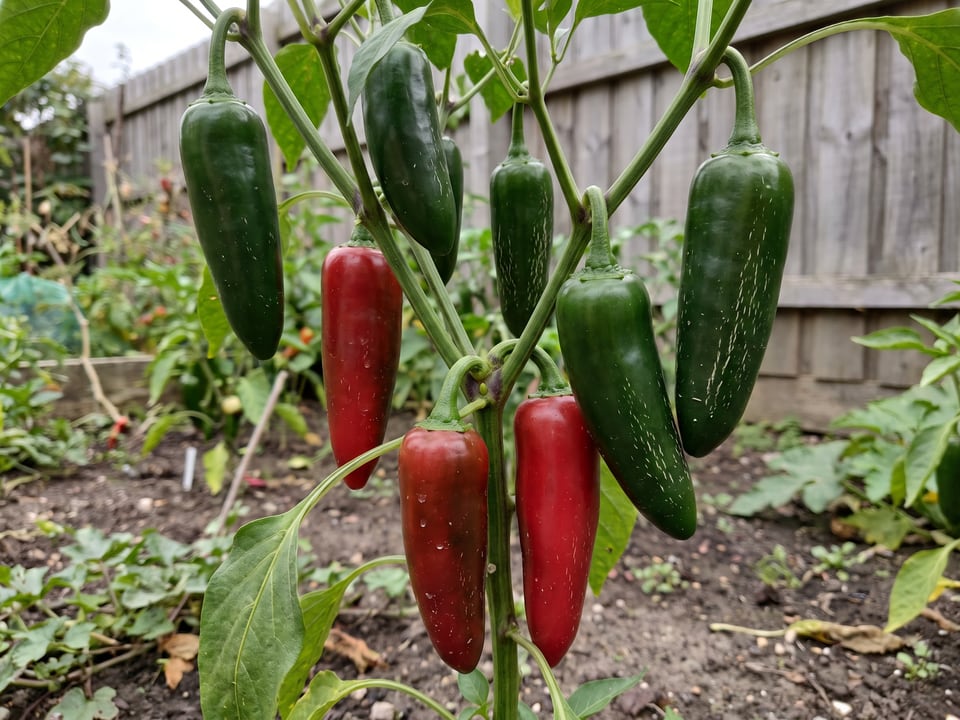
Ripe Early Jalapeno pepper pods on the plant Early Jalapeno A jalapeno that ripens two weeks early and tolerates a cool summer. MildEarlyOpen-pollinated
Ripe Emerald Giant pepper pods on the plant Emerald Giant Thick-walled green bell from 1963, bred for heavy yields. No heatMidseasonHeirloom
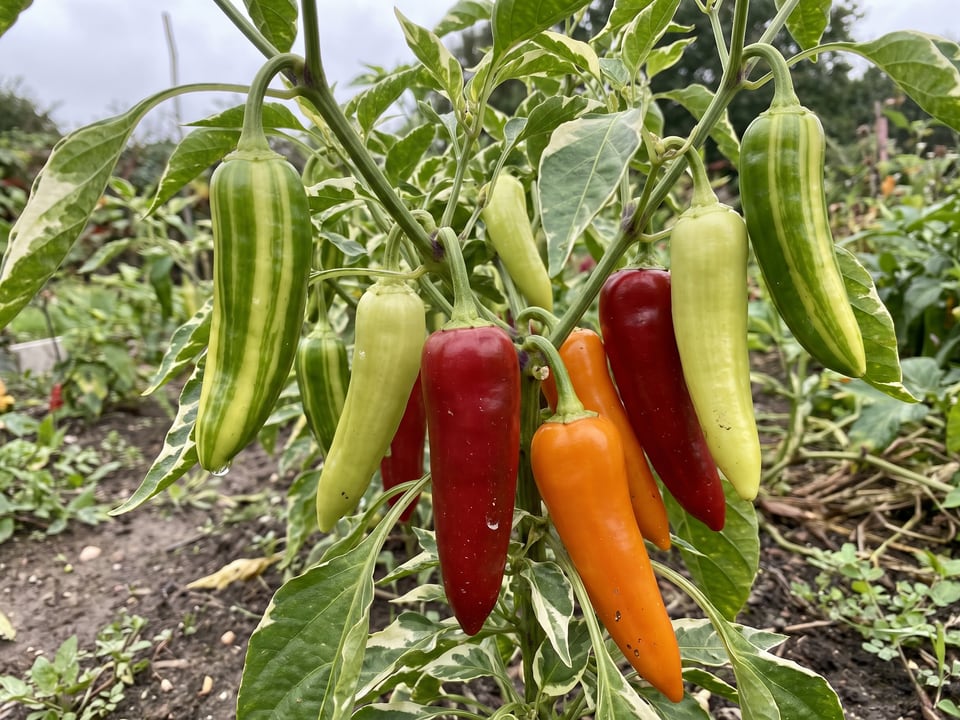
Ripe Fish pepper pods on the plant Fish Variegated African-American heirloom with striped pods, grown as much for the foliage as the heat. MediumMid-lateHeirloom
Ripe Flavorburst pepper pods on the plant Flavorburst Hybrid yellow bell that ripens early from apple green to gold. No heatMid-lateHybrid F1
Ripe Guajillo pepper pods on the plant Guajillo The dried mirasol chile, sold for its sweet heat in Mexican mole. MildMidseasonHeirloom
Ripe Gypsy pepper pods on the plant Gypsy Early sweet hybrid that ripens yellow to red on a compact plant, with TMV resistance. No heatEarlyHybrid F1
Ripe Habanada pepper pods on the plant Habanada A habanero with the heat bred out: same tropical aroma, zero Scoville. No heatMid-lateOpen-pollinated
Ripe Hungarian Yellow Wax pepper pods on the plant Hungarian Yellow Wax Waxy yellow heirloom, banana-shaped but several times hotter than a jalapeño. MediumMid-lateHeirloom
Ripe Jimmy Nardello pepper pods on the plant Jimmy Nardello Italian frying pepper with long, thin-walled red fruit and no heat. No heatMid-lateHeirloom
Ripe King of the North pepper pods on the plant King of the North Full-sized bell that ripens early enough for short northern seasons. No heatEarlyOpen-pollinated
Ripe Lemon Drop pepper pods on the plant Lemon Drop Peruvian aji with a genuine citrus note behind the heat, on a tall late-season plant. MediumMid-lateHeirloom
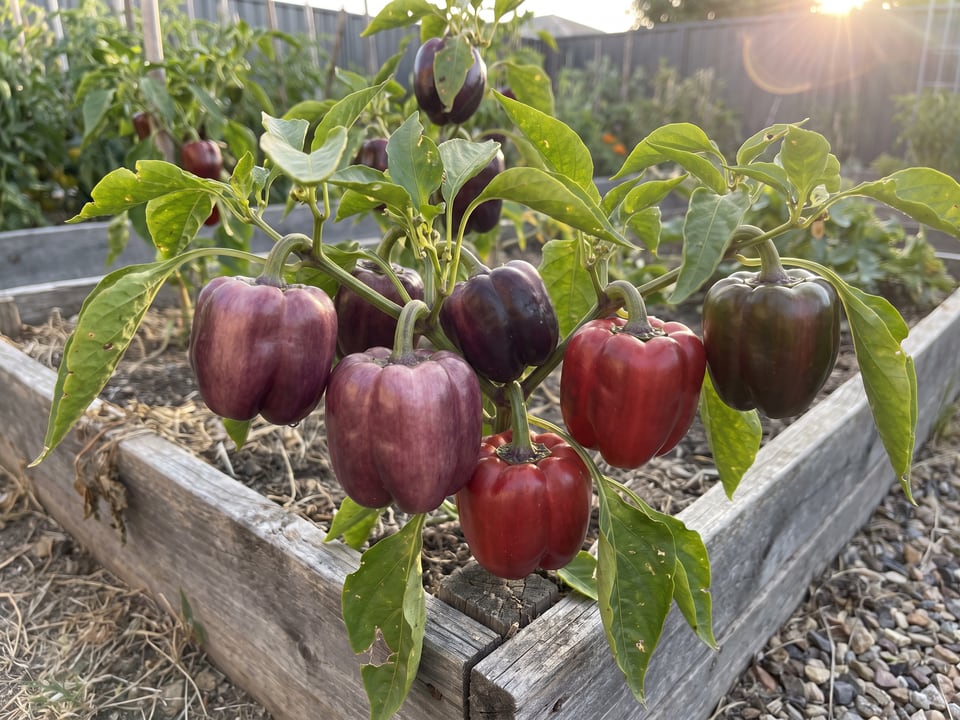
Ripe Lilac Bell pepper pods on the plant Lilac Bell Lavender sweet bell pepper that ripens to red. No heatMidseasonHeirloom
Ripe Manzano pepper pods on the plant Manzano The only Capsicum pubescens here: apple-shaped pods, black seeds, tolerates cool weather. HotLateOpen-pollinated
Ripe Marconi Red pepper pods on the plant Marconi Red The original Italian Marconi: long, thin-walled and very sweet when red. No heatMidseasonHeirloom
Ripe Mucho Nacho pepper pods on the plant Mucho Nacho The jumbo jalapeno: thicker walls, more heat, high yields. MediumMidseasonHybrid F1
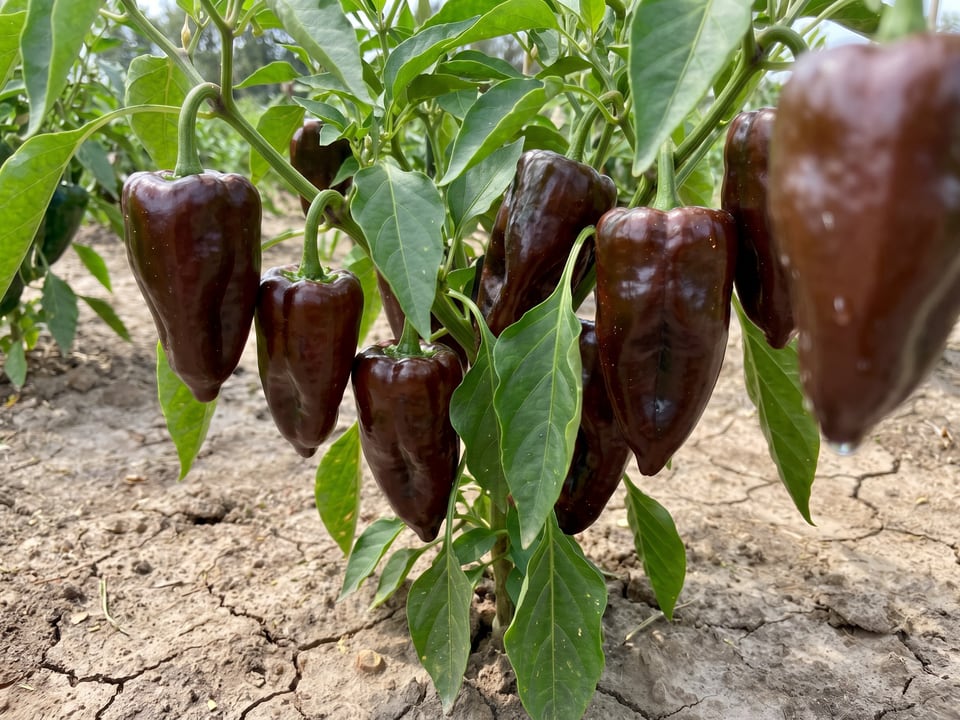
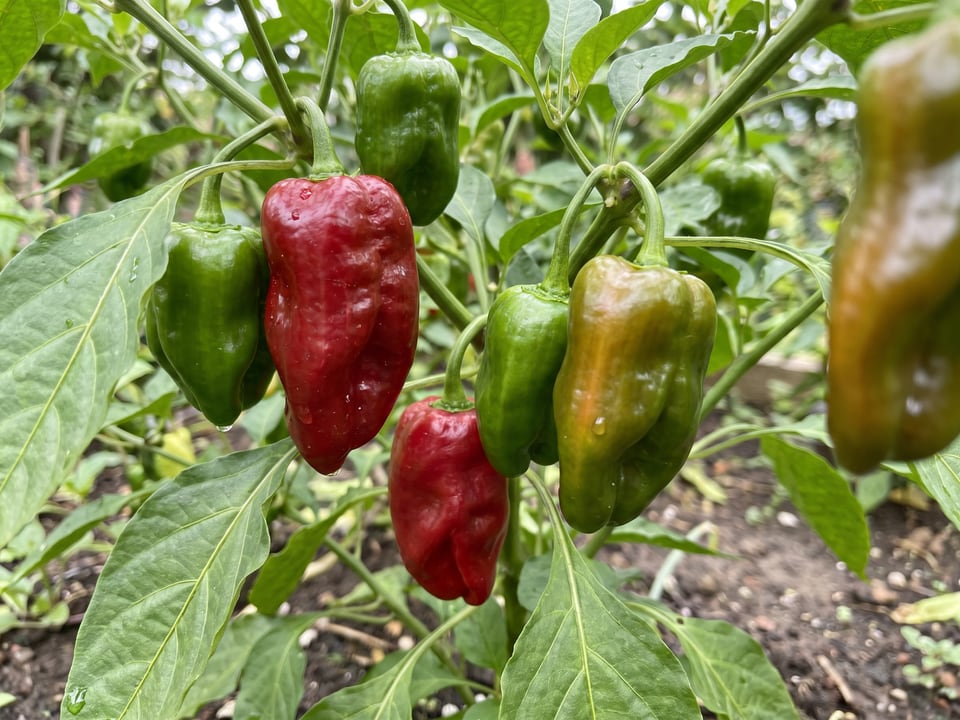
Ripe Mulato Isleño pepper pods on the plant Mulato Isleño Poblano-type chile that ripens chocolate brown; dried, it is sold as mulato. MildMidseasonHeirloom
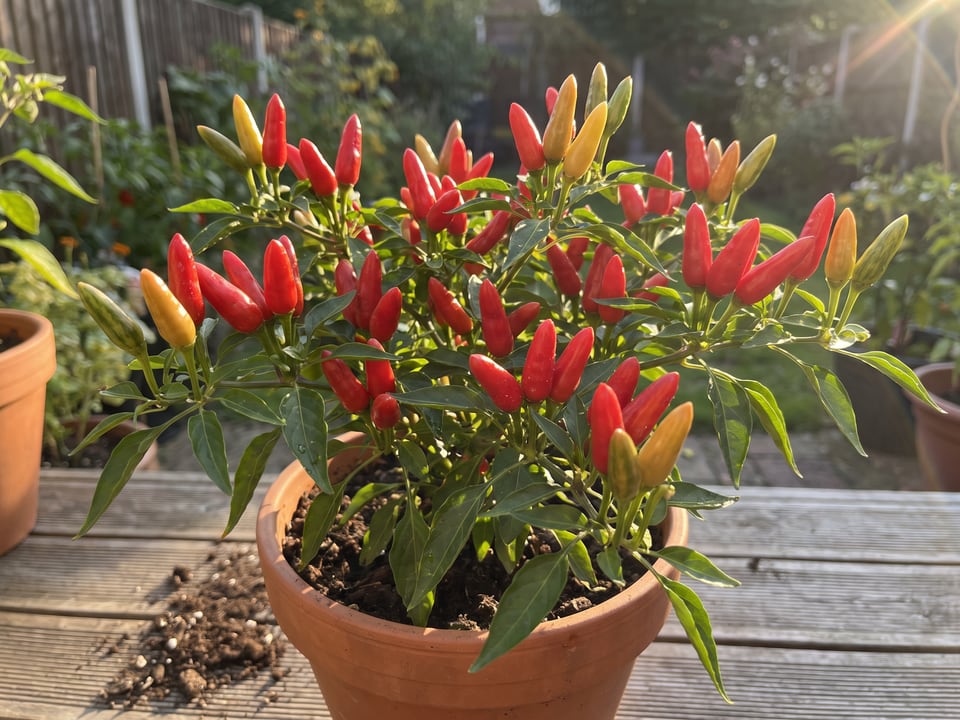
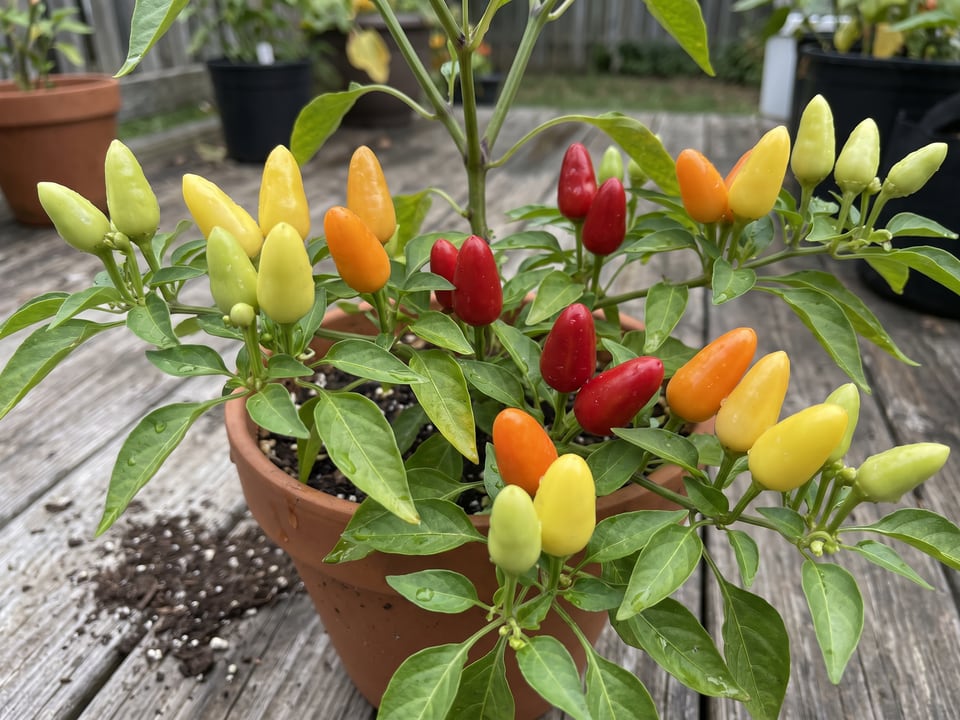
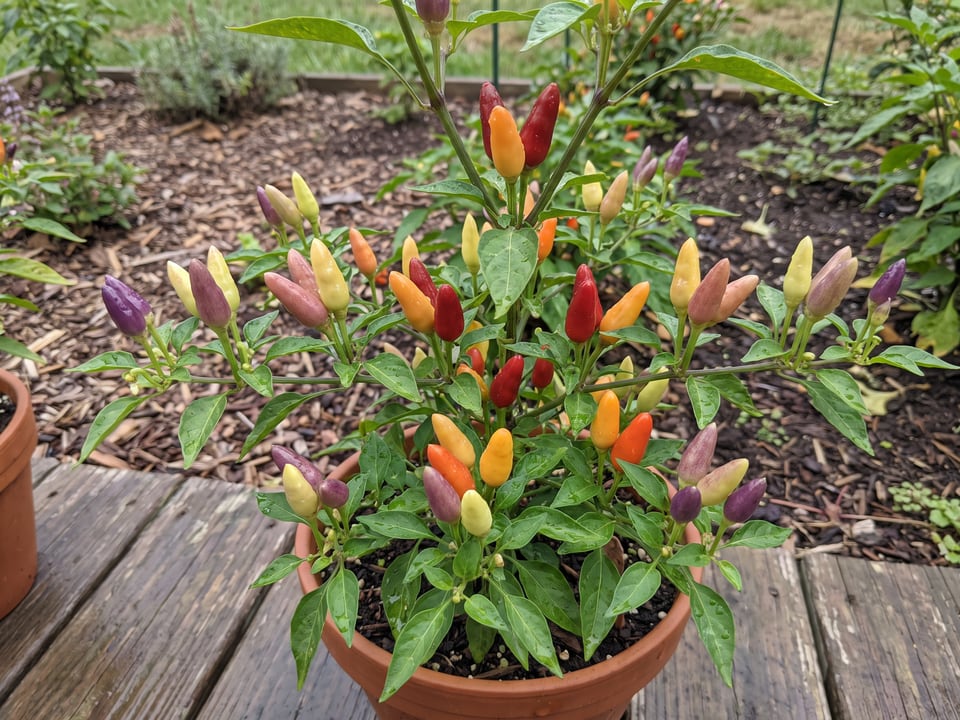
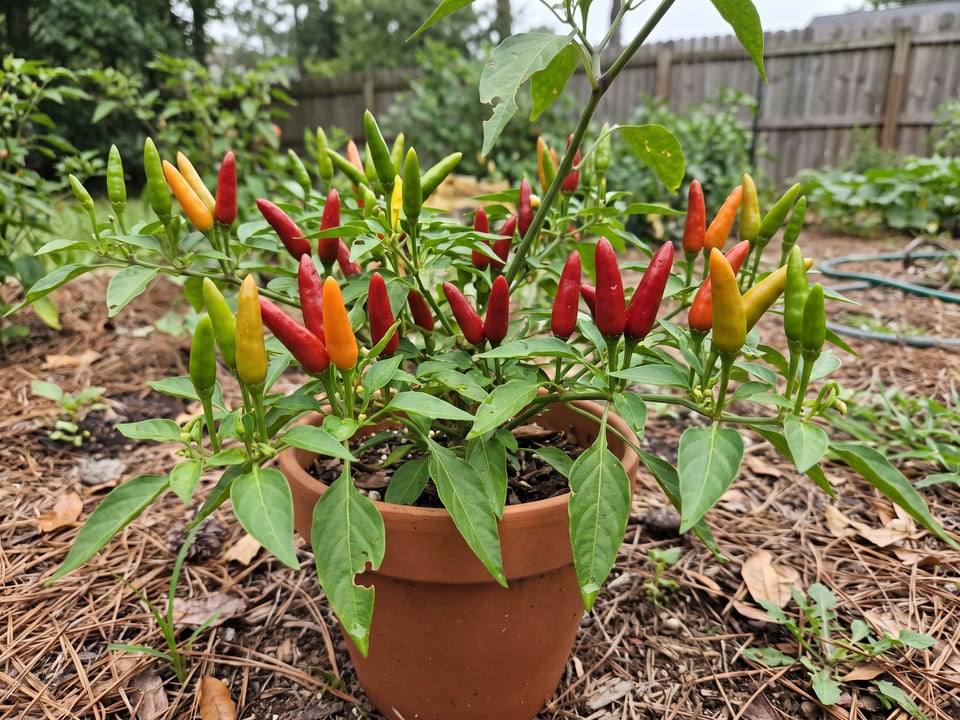
Ripe NuMex Twilight pepper pods on the plant NuMex Twilight Compact ornamental chile carrying purple, yellow, orange and red pods on the plant at the same time. HotMid-lateOpen-pollinated
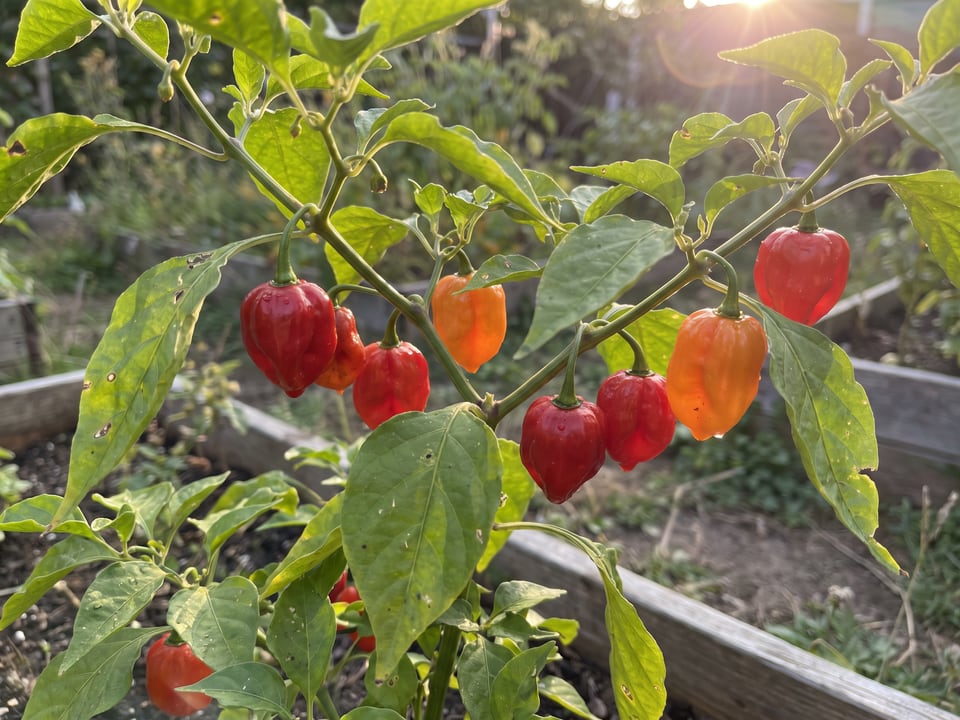
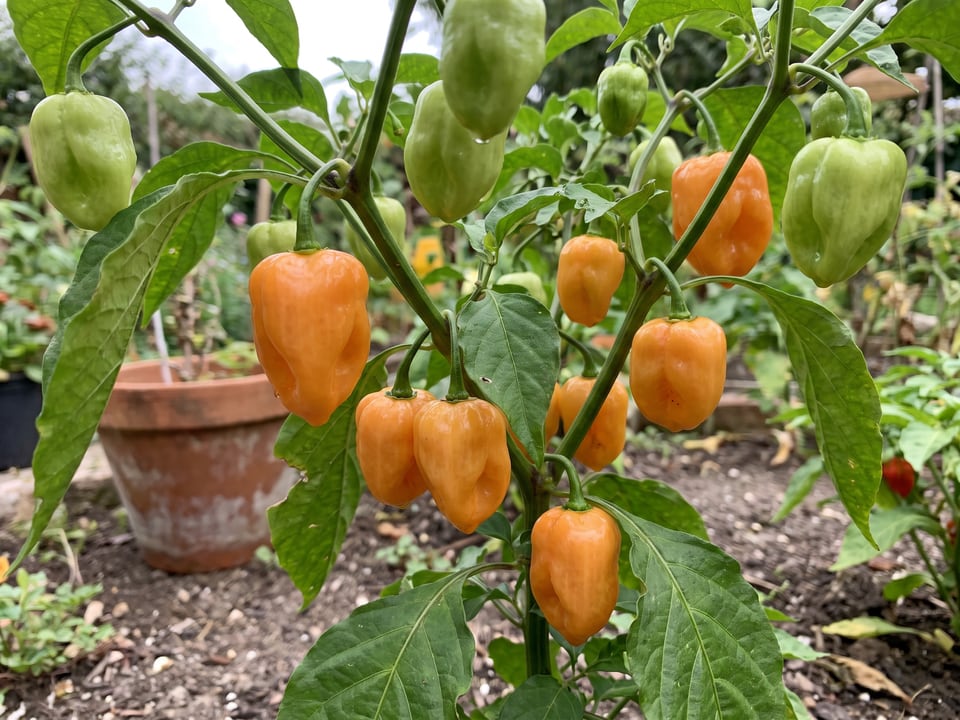
Ripe Orange Habanero pepper pods on the plant Orange Habanero The pepper most people mean by habanero: citrus, apricot and forty times a jalapeno. Very hotLateHeirloom
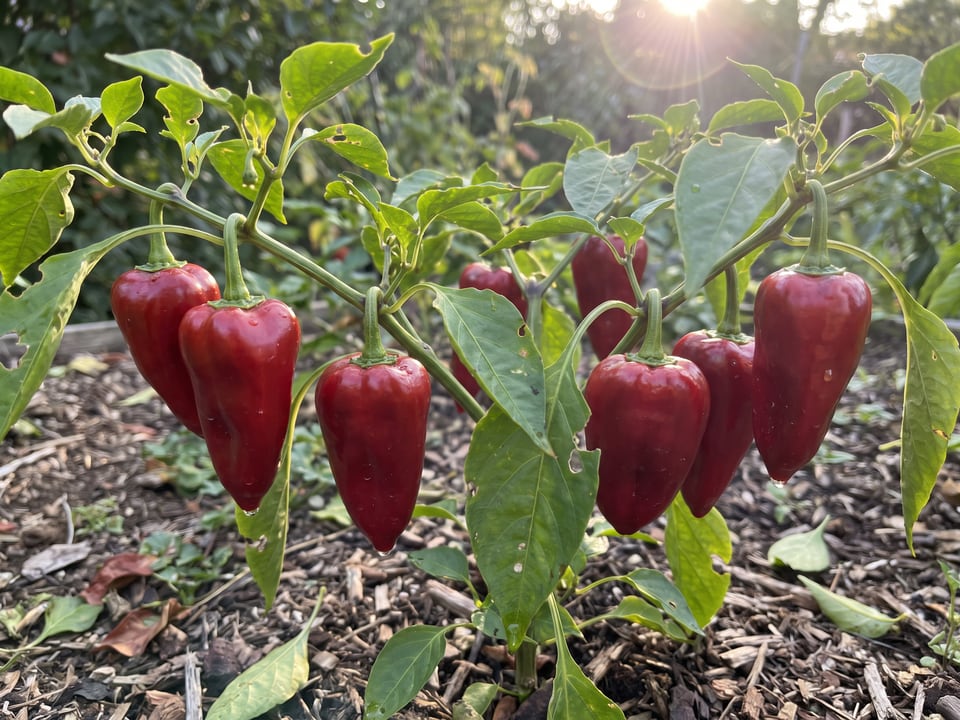
Ripe Padron pepper pods on the plant Padron Galician frying pepper picked young: mostly mild, with the odd pod that bites. MildMidseasonHeirloom
Ripe Pasilla Bajio pepper pods on the plant Pasilla Bajio Long dark chilaca when fresh, wrinkled pasilla when dried; a mole chile. MildMid-lateHeirloom
Ripe Pepperoncini pepper pods on the plant Pepperoncini The pale pickling pepper of Greek salads and Italian sandwiches, tangy rather than hot. MildMidseasonHeirloom
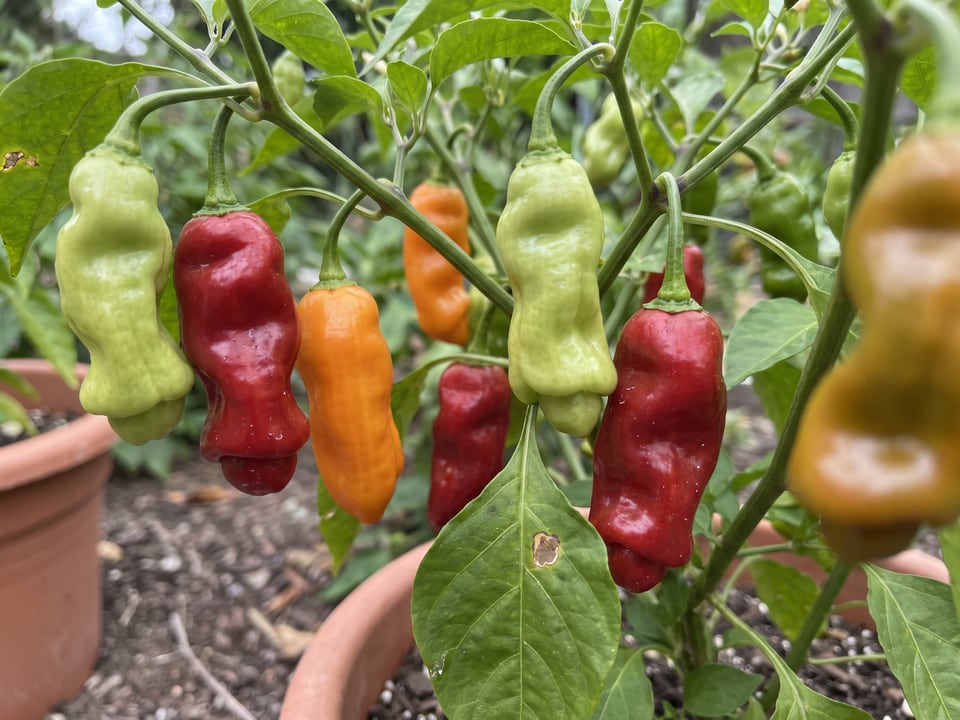
Ripe Peter pepper pods on the plant Peter American heirloom grown for its unmistakably shaped pod, with cayenne-level heat. MediumMid-lateHeirloom
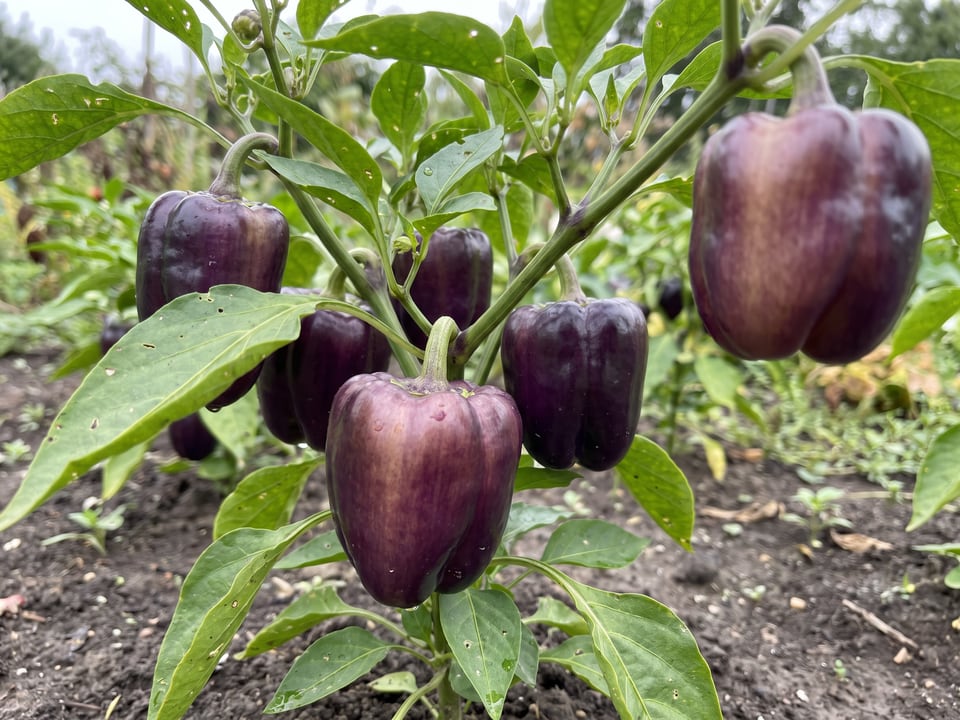
Ripe Purple Beauty pepper pods on the plant Purple Beauty Compact bell pepper picked at the dark purple stage, thick-walled and mildly sweet. No heatMidseasonHeirloom
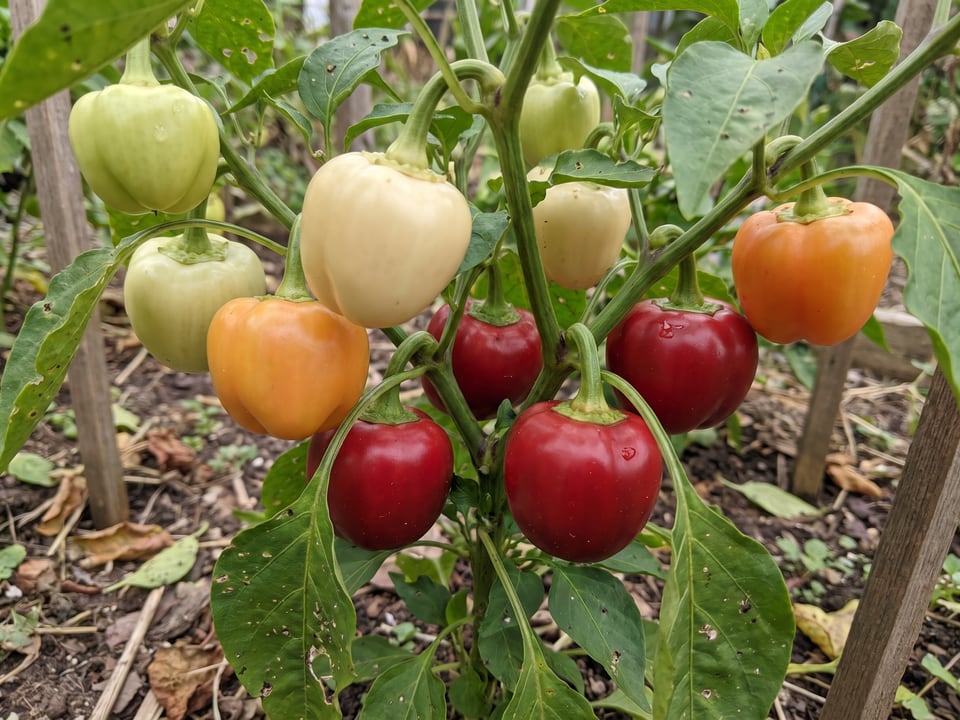
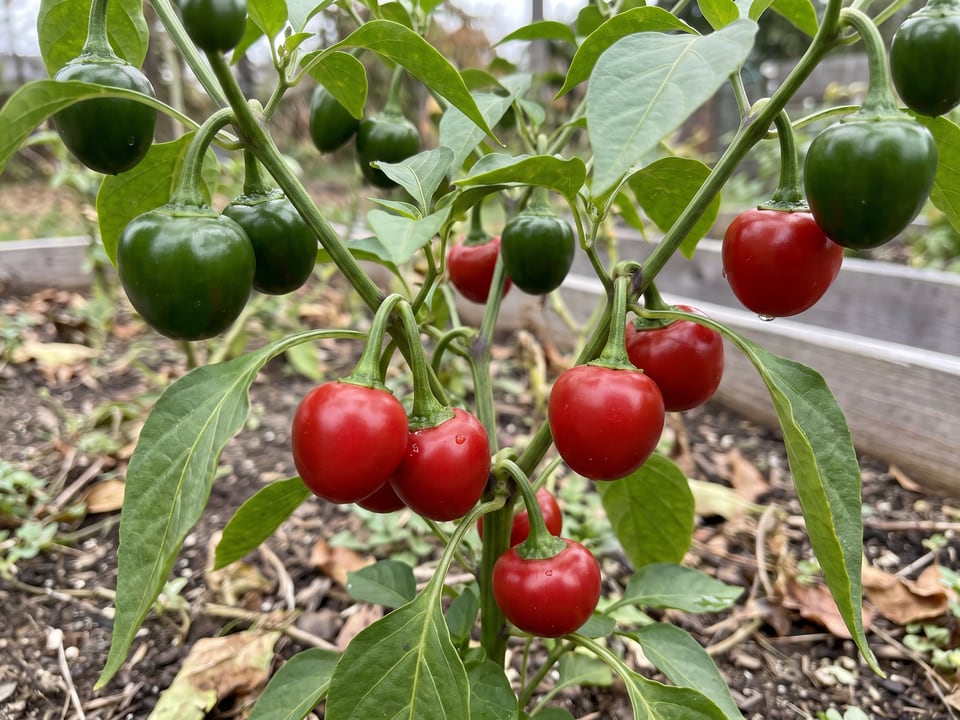
Ripe Red Cherry Sweet pepper pods on the plant Red Cherry Sweet Round sweet cherry pepper for pickling and stuffing, compact enough for pots. No heatMid-lateHeirloom
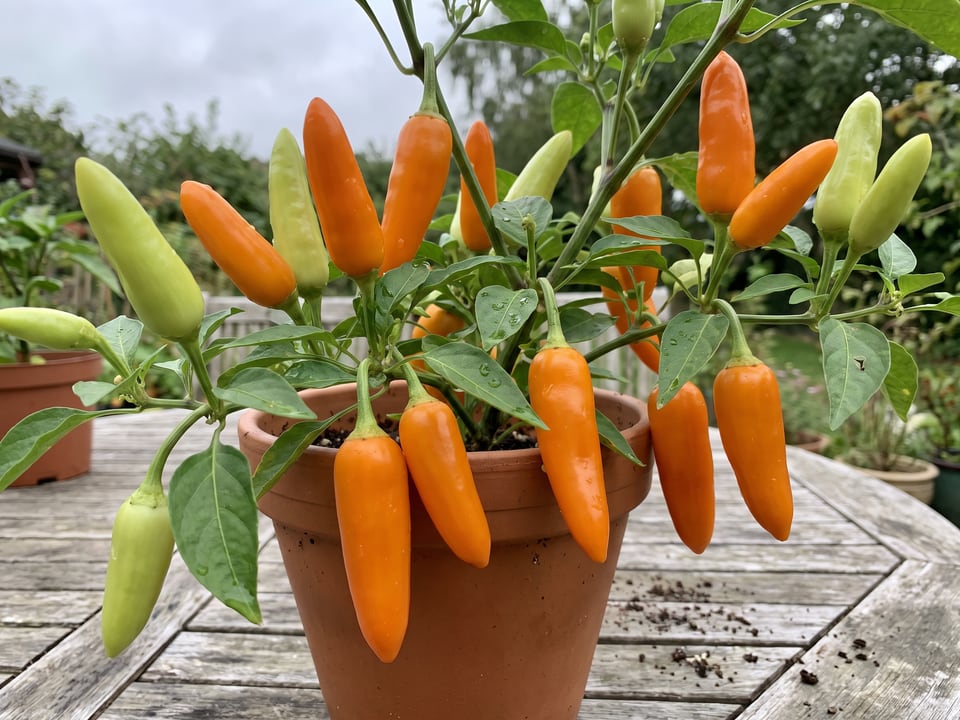
Ripe Santa Fe Grande pepper pods on the plant Santa Fe Grande Conical wax pepper carrying yellow, orange and red pods at once, mild to moderately hot. MildMidseasonHeirloom
Scotch Bonnet The Jamaican bonnet-shaped chinense: habanero heat in a shorter red pod. Very hotMid-lateHeirloom
Ripe Serrano Tampiqueño pepper pods on the plant Serrano Tampiqueño The heirloom serrano most US seed shops sell, several times hotter than a jalapeno. MediumMidseasonHeirloom
Ripe Shishito pepper pods on the plant Shishito Japanese frying pepper, mild and early — with about one hot pod in ten. MildEarlyHeirloom
Ripe Sweet Banana pepper pods on the plant Sweet Banana Waxy yellow sweet pepper, the classic pickling pod and the one most people mean by banana pepper. No heatMidseasonHeirloom
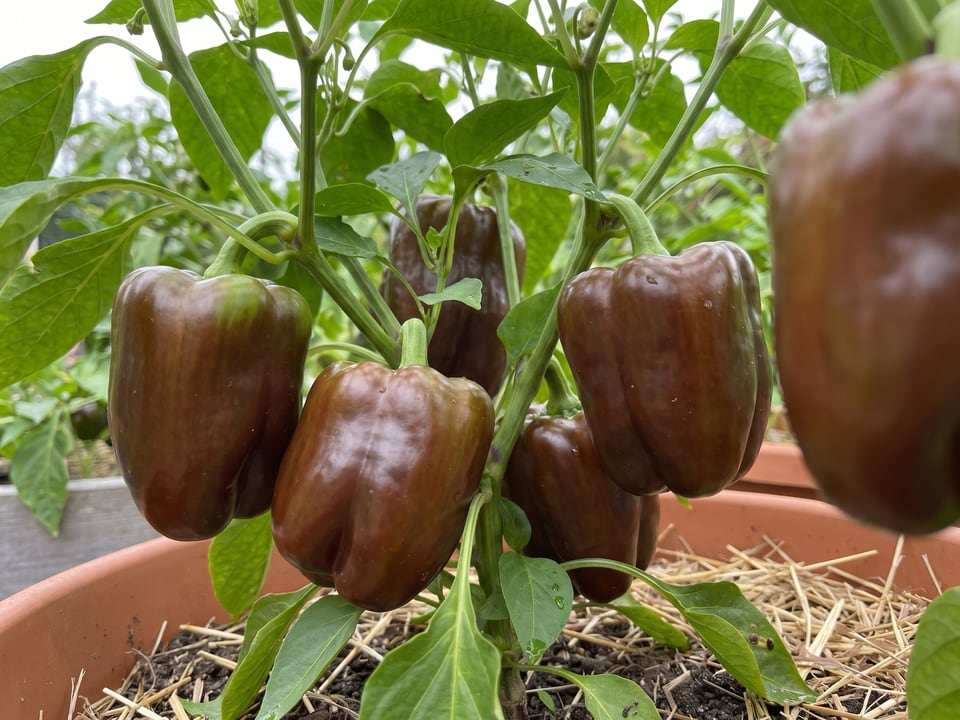
Ripe Sweet Chocolate pepper pods on the plant Sweet Chocolate Brown bell bred in New Hampshire to ripen fully where the season is short. No heatMidseasonOpen-pollinated
Ripe Tabasco pepper pods on the plant Tabasco Thin-fleshed hot pepper on a tall plant, the variety behind the Louisiana sauce. HotMid-lateOpen-pollinated
Ripe TAM Jalapeno pepper pods on the plant TAM Jalapeno Jalapeno flavour at a fifth of the heat, bred at Texas A&M in 1981. MildMidseasonOpen-pollinated

How to choose

  1. Start with the heat band, because it is the one decision that cannot be undone in the kitchen. A pepper two bands hotter than you expected is not a seasoning, it is a problem. If you are buying for someone else's cooking, stay one band below what you think they want.

  2. Then check days to maturity against your season. Peppers are started indoors earlier than tomatoes — eight to ten weeks before the last frost is the usual advice — and the day counts in this catalog are measured from transplant, not from sowing. Add that indoor stretch to the listed figure to get the real calendar.

  3. Use plant height and spacing to decide what fits. A pepper that suits a container is a different plant from one bred for a field row, and the difference shows up in height, spacing and the container note rather than in the name.

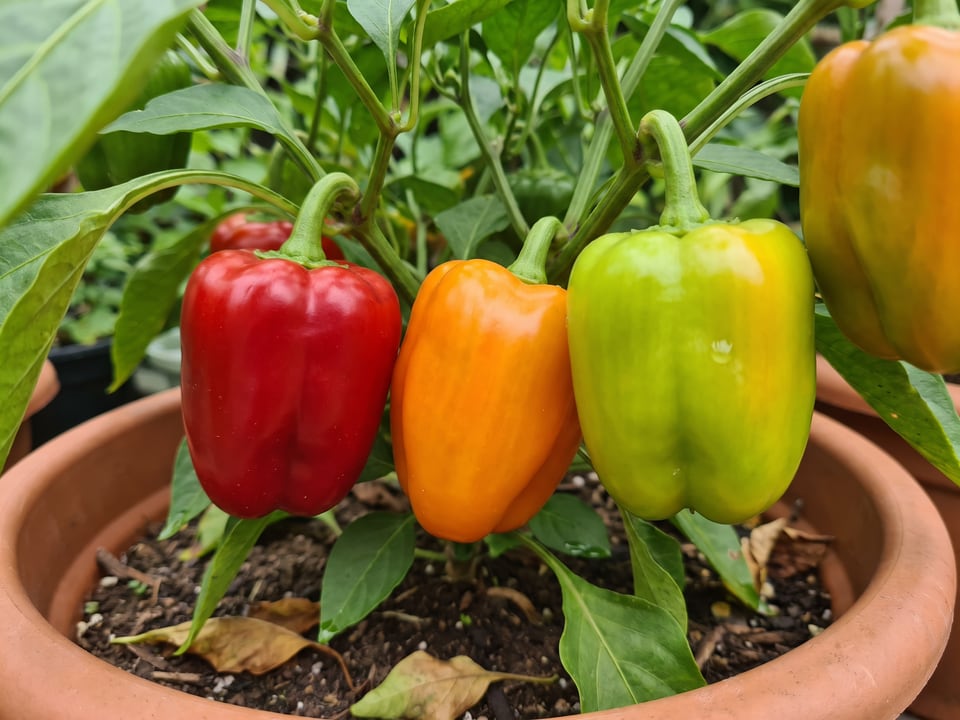
  4. Read colour and use last. Most peppers ripen through green to a final colour, so a variety listed as red is usually edible at both stages; picking green keeps the plant producing, letting fruit finish sweetens it and, in hot types, concentrates the heat.

Frequently asked questions

Why does the catalog show a heat band instead of a Scoville number?

Because the number is not stable. Capsaicin content varies with growing conditions, ripeness and the individual plant, and published figures for one variety often differ several-fold between suppliers. The band is the part that holds. Where a supplier publishes a range, the variety page shows it next to the band, marked as an estimate.

Are days to maturity counted from sowing or from transplant?

From transplant, everywhere in this catalog, and the starting point is named on each variety page. The two conventions differ by weeks, and seed catalogs rarely say which one they use, so comparing figures across suppliers without checking the basis is comparing two different measurements.

Will a hot pepper stay hot if I grow it in a cool summer?

Not necessarily to the same degree. Heat develops with warmth and ripening time, so the same variety can read milder from a cool, short season than its listed band suggests. The band describes the variety's potential, not a guarantee for your garden.

Does a missing resistance entry mean the variety has no resistance?

No. It means the catalog has no resistance information listed for that variety. Check the record's cited sources and the seed supplier's description before assuming either way.