Hot pepper varieties
Hot is the fourth of five heat bands in this catalog: roughly 30,000 to 100,000 Scoville heat units, the range where cayenne, tabasco and Thai peppers sit. It is a step up that people notice. A jalapeño, the pepper most cooks use as their mental reference for heat, tops out around 8,000 units — an order of magnitude below the bottom of this band. Above it sits very hot, from 100,000 units upward, which is habanero territory and a different kind of decision. Heat is recorded here as a band rather than a single figure because suppliers disagree on the number for the same variety; where one publishes a range, it appears on the variety page marked as an estimate. The table below compares every hot pepper in the catalog on days to harvest, plant size and use, so the choice within the band comes down to the season and the space you have.
- Varieties
- 8
- Days to harvest (from transplant)
- 75–125
- Fruit weight
- 0–2 oz (0.5–70 g)
- Heat
-
8 Hot
All 8 hot pepper varieties
How to choose
-
Decide first whether you actually want this band. Peppers in the hot range are used in small amounts: one pod seasons a pot of food rather than filling a salad. If you want something you can eat whole or slice into a dish, the medium band — jalapeño and serrano — is the one to browse instead.
-
Then work from your season. Hot peppers in this range are generally slower than sweet types, and the day counts here are measured from transplant, not from sowing. Peppers are usually started indoors eight to ten weeks before the last frost, so add that to the listed figure before deciding whether a variety finishes where you live.
-
Check plant size and spacing against where the plant will stand. Several peppers in this band are compact enough for a large container, which matters more than usual here: a pot can be moved into warmth, and heat develops with warmth and ripening time.
-
Treat the listed Scoville range as a band, not a measurement. Two plants of the same variety, one in a cool summer and one in a hot one, will not deliver the same heat. Use the figures to rank varieties against each other, not to predict what a particular pod will do.
Compare side by side
| Color | Uses | |||||
|---|---|---|---|---|---|---|
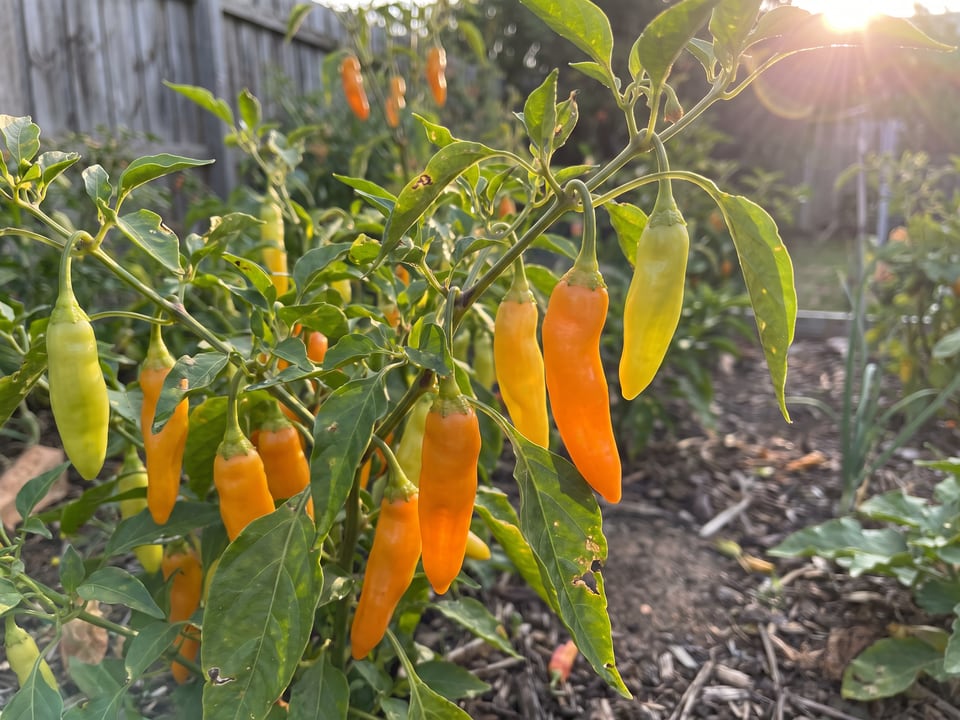
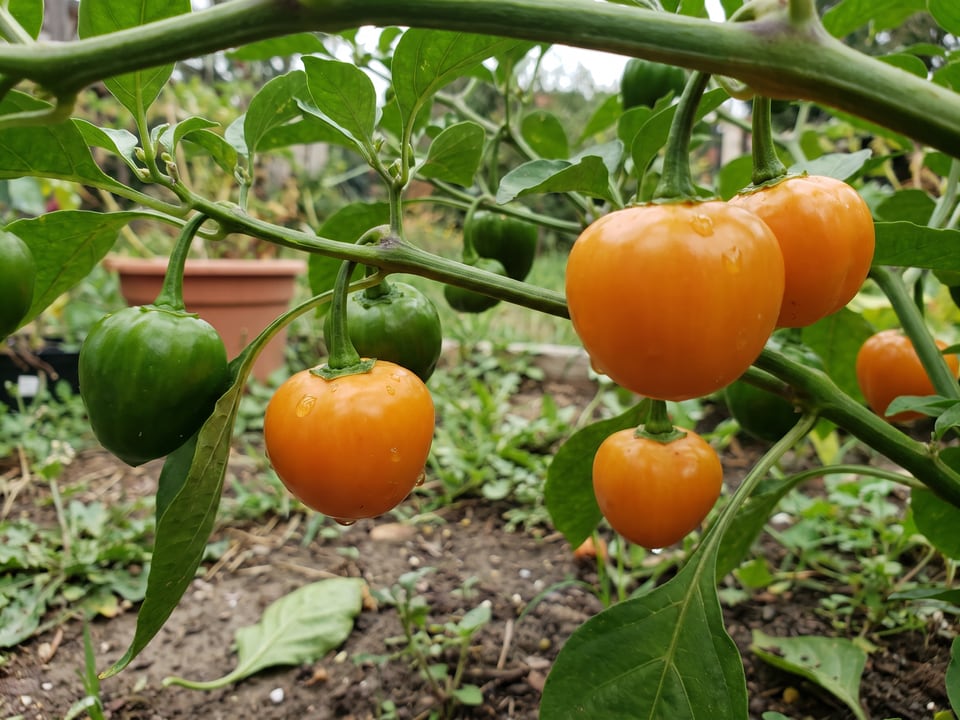
| Aji Amarillo | 90 (estimated) | ~1 oz (15–30 g) (estimated) | Hot | 2 (estimated) / 3 (estimated) / 4 (estimated) | Sauce & paste, Drying | |
| Birdseye Chili | 125 | <1 oz (1–3 g) (estimated) | Hot | 1 (estimated) / 2 (estimated) / 5 (estimated) | Drying, Sauce & paste, Canning | |
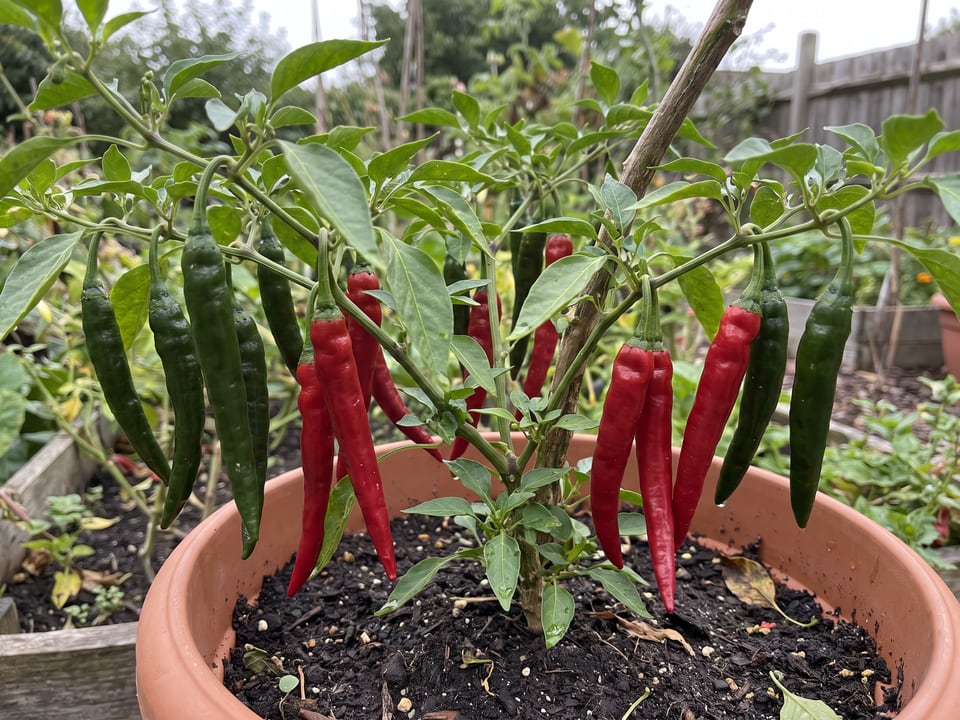
| Cayenne Long Slim | 75 | 0–1 oz (8–15 g) (estimated) | Hot | 1 (estimated) / 2 (estimated) / 4 (estimated) | Drying, Sauce & paste, Canning | |
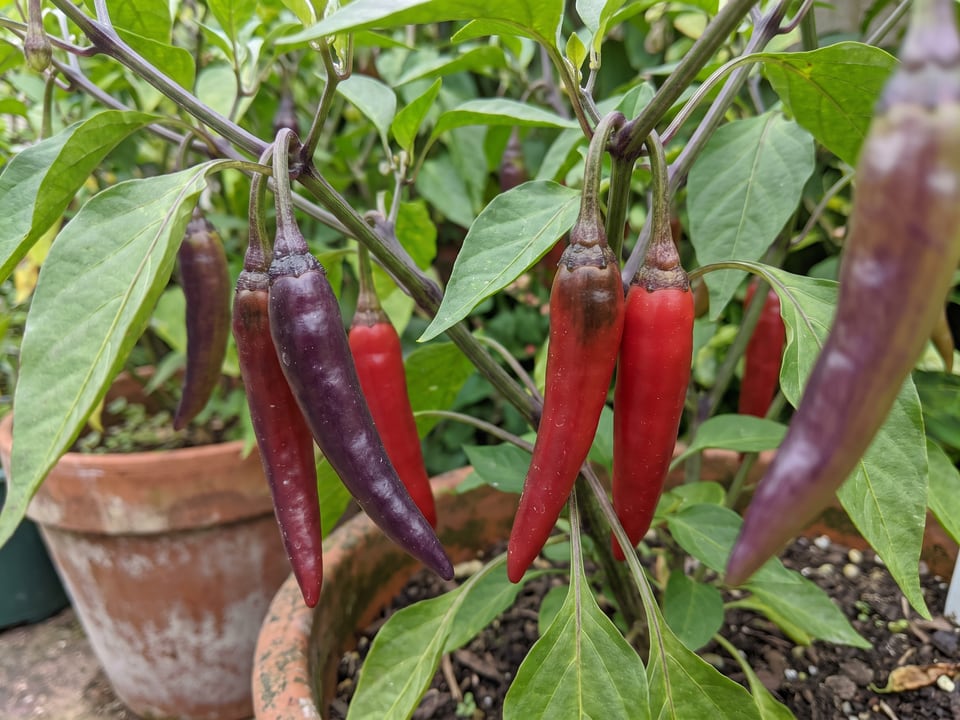
| Cayenne Purple | 80 | 0–1 oz (8–15 g) (estimated) | Hot | 1 (estimated) / 2 (estimated) / 4 (estimated) | Drying, Sauce & paste, Canning | |
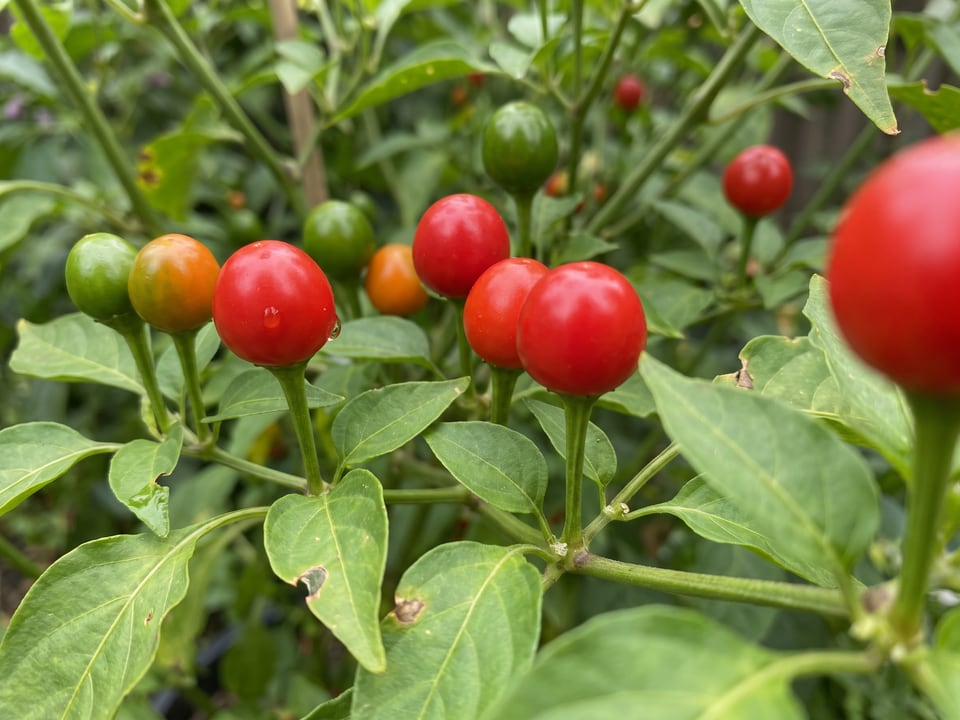
| Chiltepin | 100 (estimated) | <1 oz (0.5–1 g) (estimated) | Hot | 1 (estimated) / 2 (estimated) / 5 (estimated) | Drying, Sauce & paste | |
| Manzano | 99 (estimated) | 1–2 oz (40–70 g) (estimated) | Hot | 3 (estimated) / 3 (estimated) / 4 (estimated) | Stuffing, Sauce & paste, Fresh & salads | |
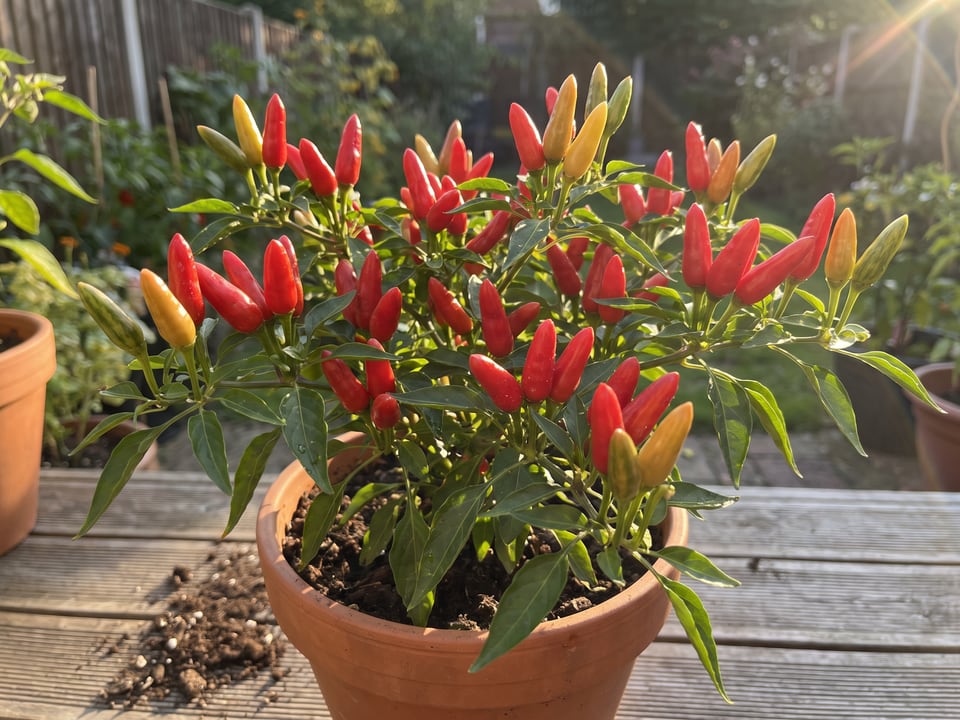
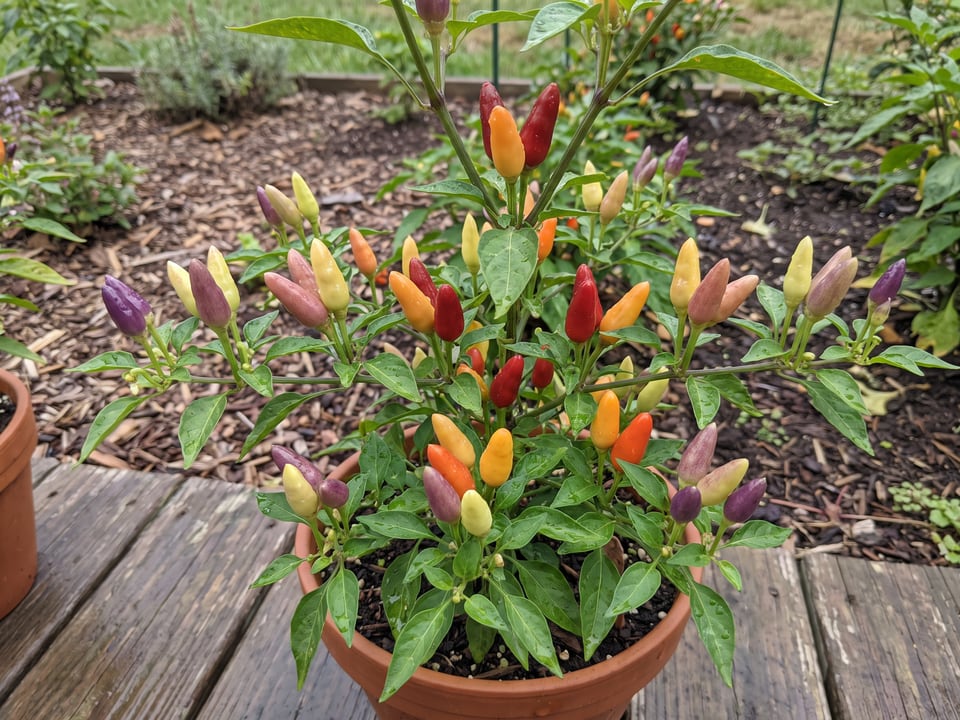
| NuMex Twilight | 85 | <1 oz (1–3 g) (estimated) | Hot | 1 (estimated) / 2 (estimated) / 4 (estimated) | Drying, Sauce & paste | |
| Tabasco | 90 (estimated) | <1 oz (2–4 g) (estimated) | Hot | 1 (estimated) / 3 (estimated) / 5 (estimated) | Sauce & paste, Drying |
Values marked like this (estimated) are estimates.
Frequently asked questions
How hot is a hot pepper, compared to a jalapeño?
Several times hotter. A jalapeño sits at roughly 2,000 to 8,000 Scoville heat units; this band runs from about 30,000 to 100,000. Cayenne, tabasco and Thai peppers are the familiar examples. Peppers above 100,000 units — habanero, scotch bonnet and the super-hots — are filed under very hot instead.
Are Scoville figures exact?
No. Capsaicin content varies with growing conditions, ripeness and the individual plant, and published figures for the same variety often differ several-fold between suppliers. That is why this catalog files peppers by band and marks any supplier range it records as an estimate.
Do hot peppers take longer to grow than sweet peppers?
Usually, though the day counts per variety in the table are the reliable answer rather than the rule. Every figure here is counted from transplant, and peppers are started indoors well before that, so the real calendar is longer than the number suggests.
Can I make a hot pepper milder by how I grow or prepare it?
Partly. A cooler season and an earlier picking generally give less heat than a long, warm one, and most of the capsaicin sits in the pith holding the seeds, so removing it lowers the heat of the fruit considerably. Neither turns a hot pepper into a mild one.