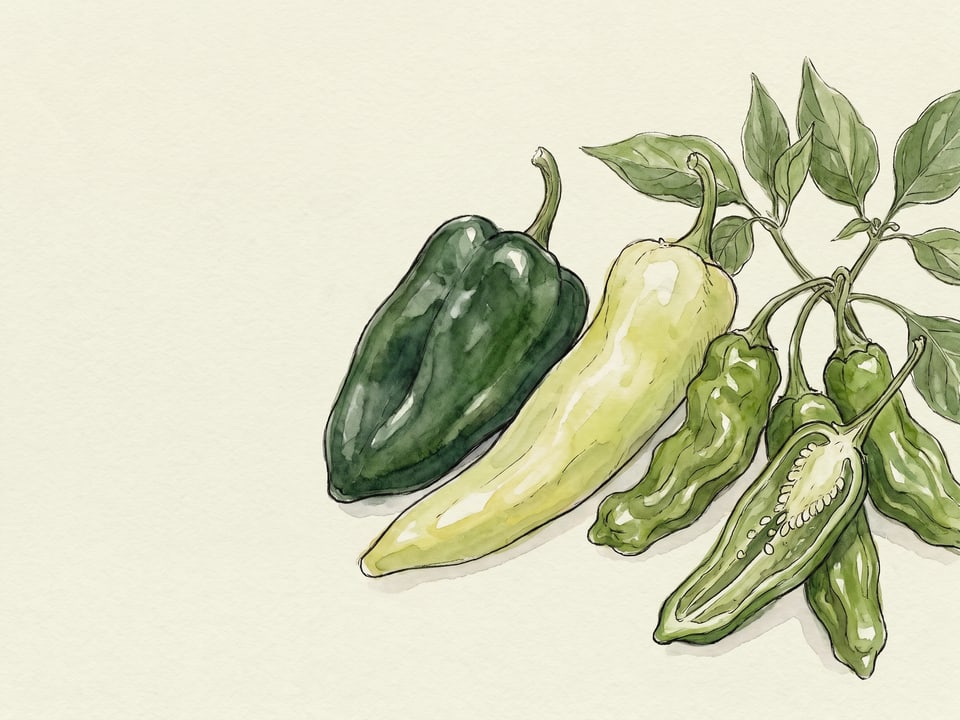
Mild pepper varieties
Mild covers roughly 100 to 5,000 Scoville heat units, and it is the band most cooking actually happens in. Twenty varieties sit here, and the first surprise is who they include: both jalapeños in this catalog, TAM Jalapeño at 1,000 to 1,500 units and Early Jalapeño at 2,500 to 5,000. The pepper most people use as their mental benchmark for heat is, by these boundaries, a mild one. The second surprise is the range of things this band is for. Shishito and Padrón are blistered whole as a snack at 8 to 15 g a pod; Cubanelle is a frying pepper at 60 to 100 g; Pepperoncini goes into brine; Guajillo and Alma Paprika are grown to be dried. It is also the most international band in the catalog, with varieties from Japan, Spain, Cuba, Italy, Hungary, Mexico, Venezuela, Brazil and Barbados. Days to harvest run from 60 to 95 days from transplant, so there is something here for a short season and something that needs a long one.
- Varieties
- 20
- Days to harvest (from transplant)
- 60–95
- Fruit weight
- 0–5 oz (2–140 g)
- Heat
-
20 Mild
All 20 mild pepper varieties
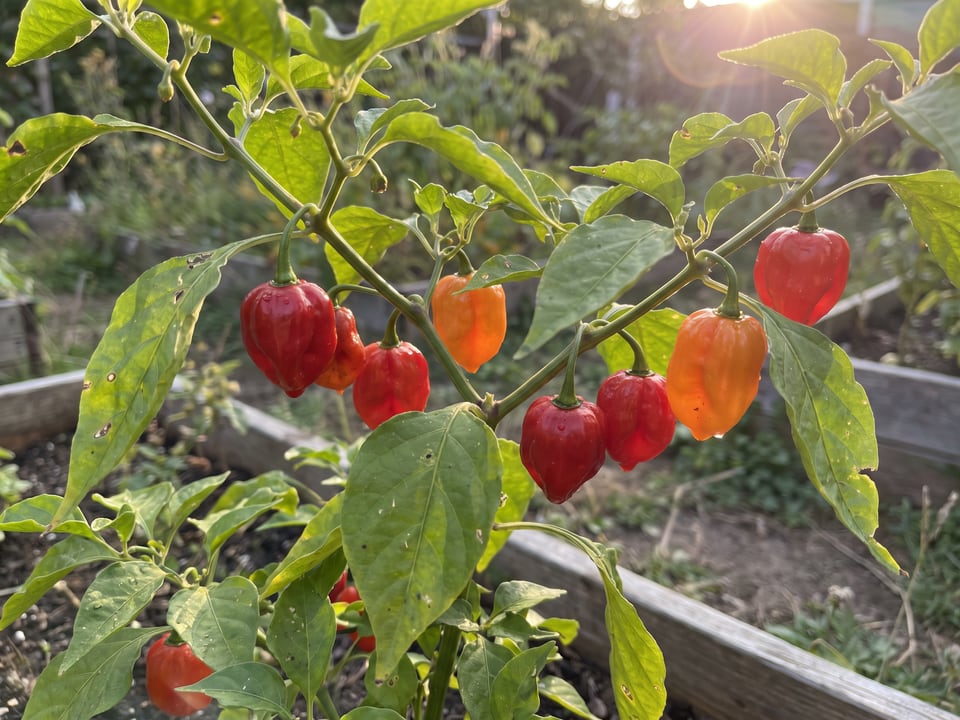
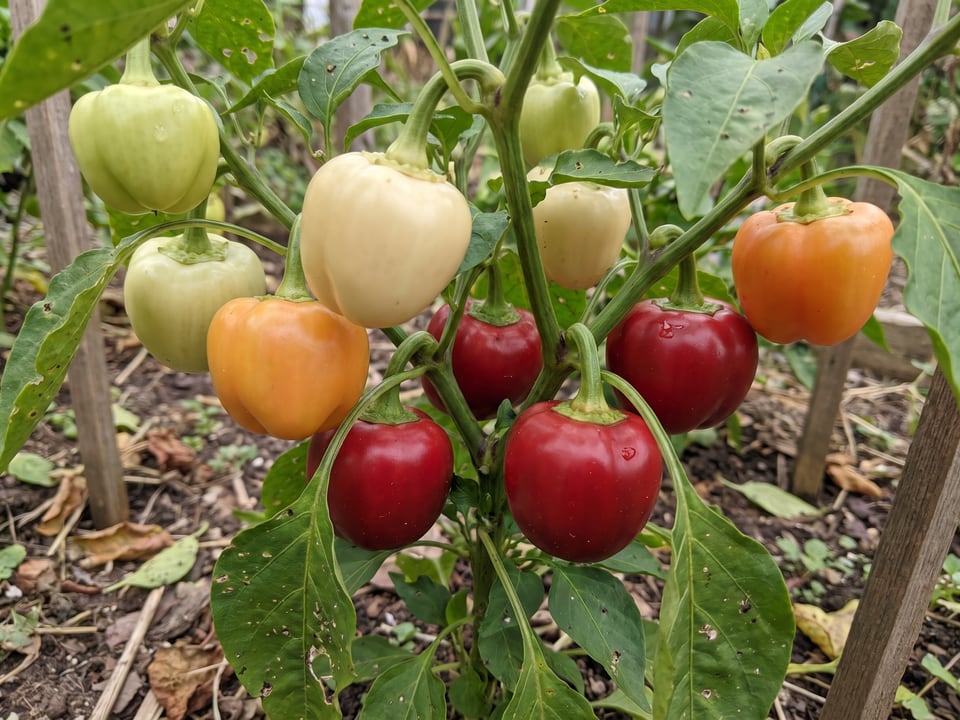
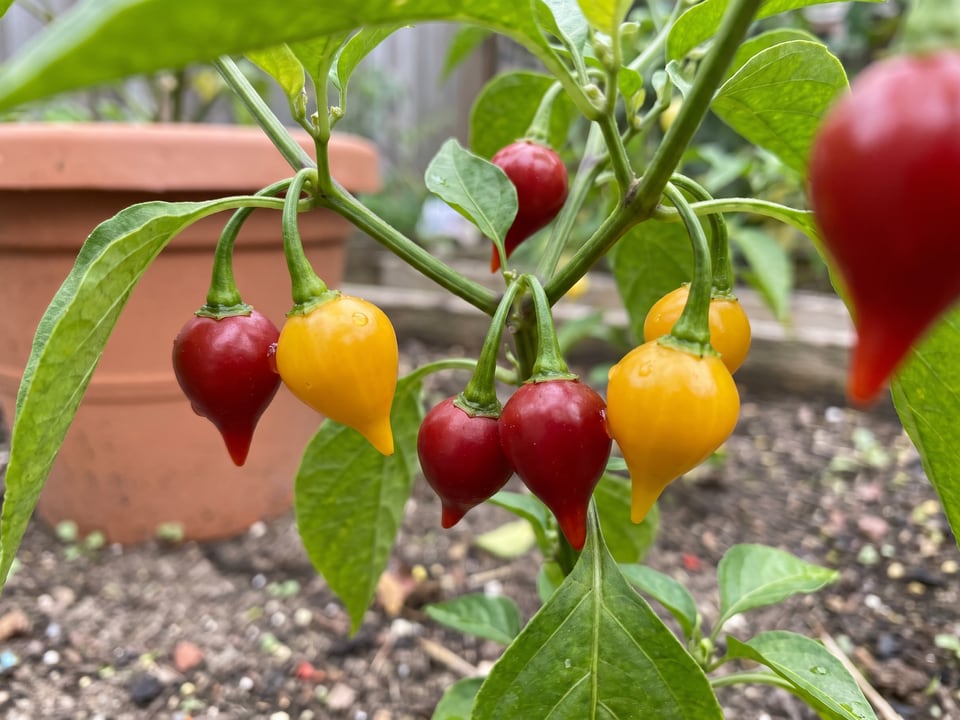
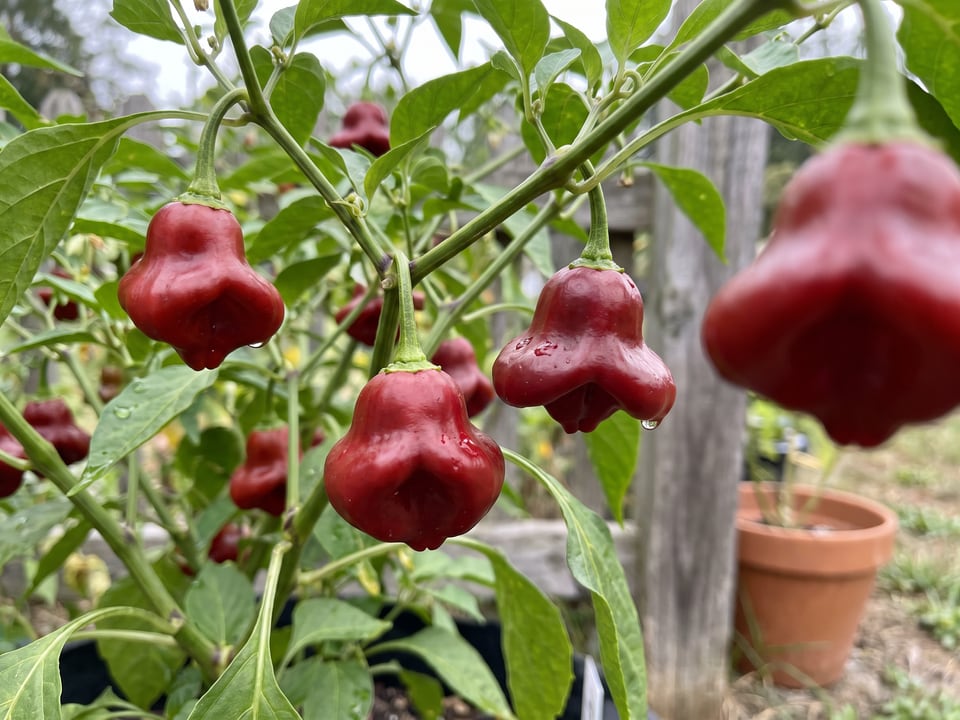
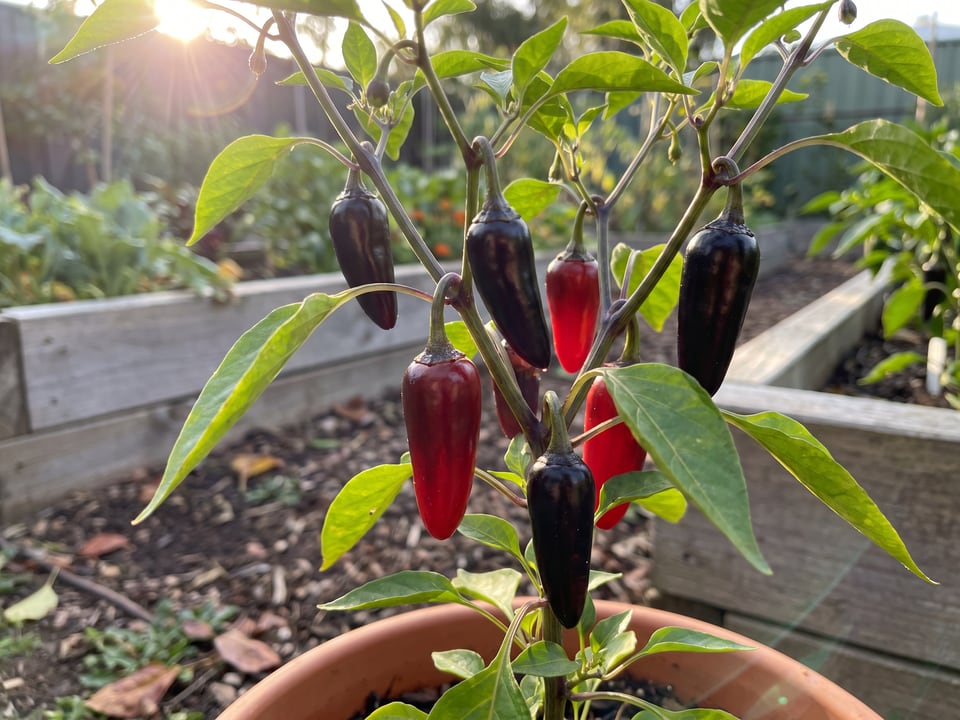
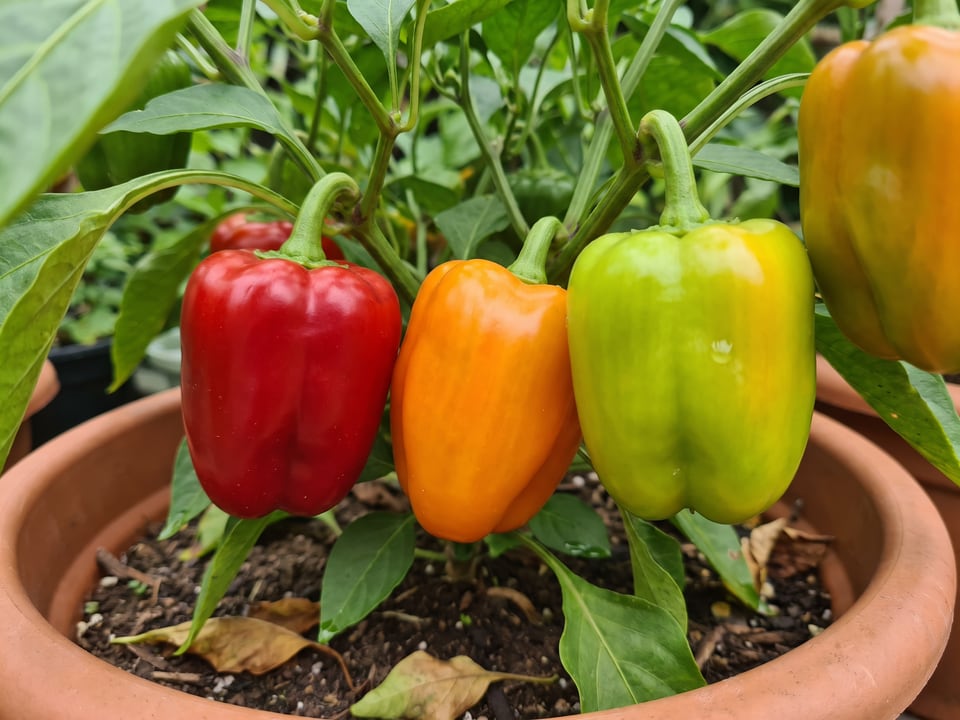
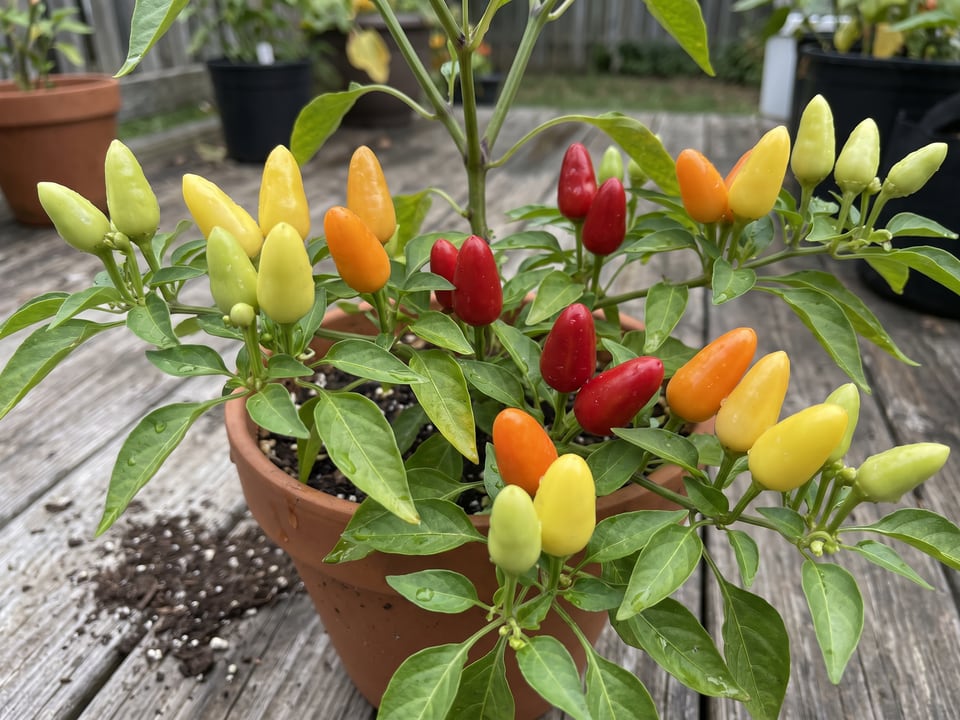
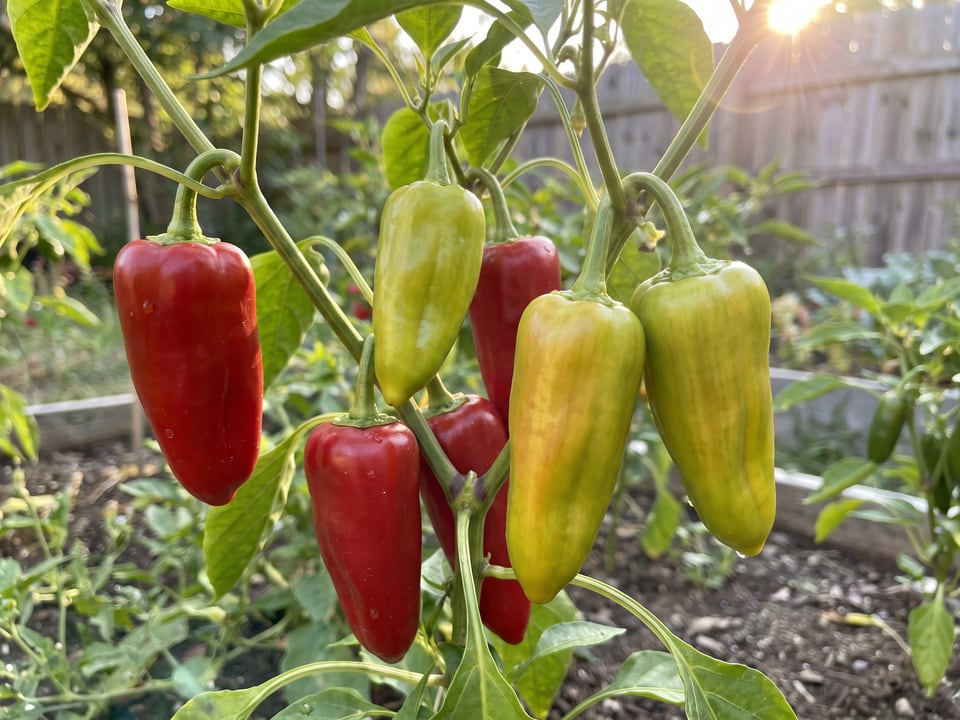
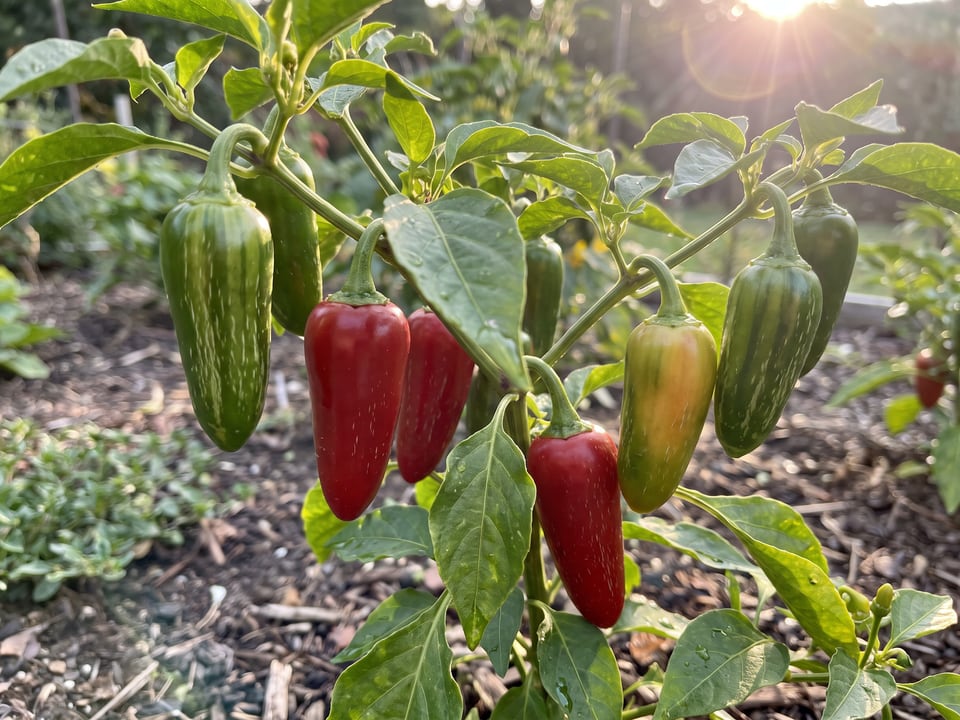
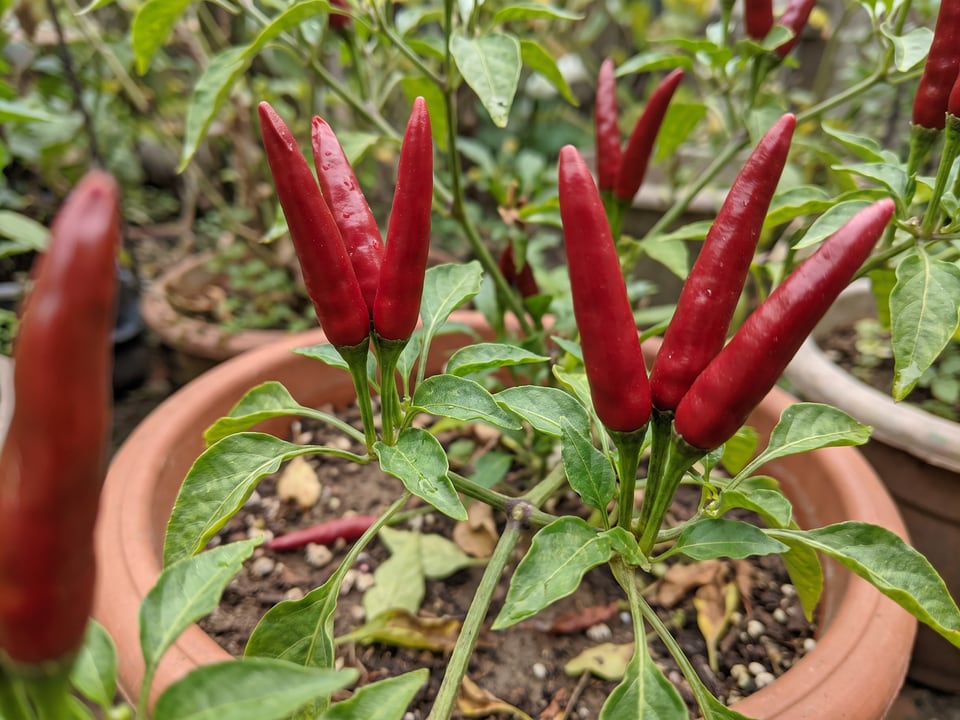
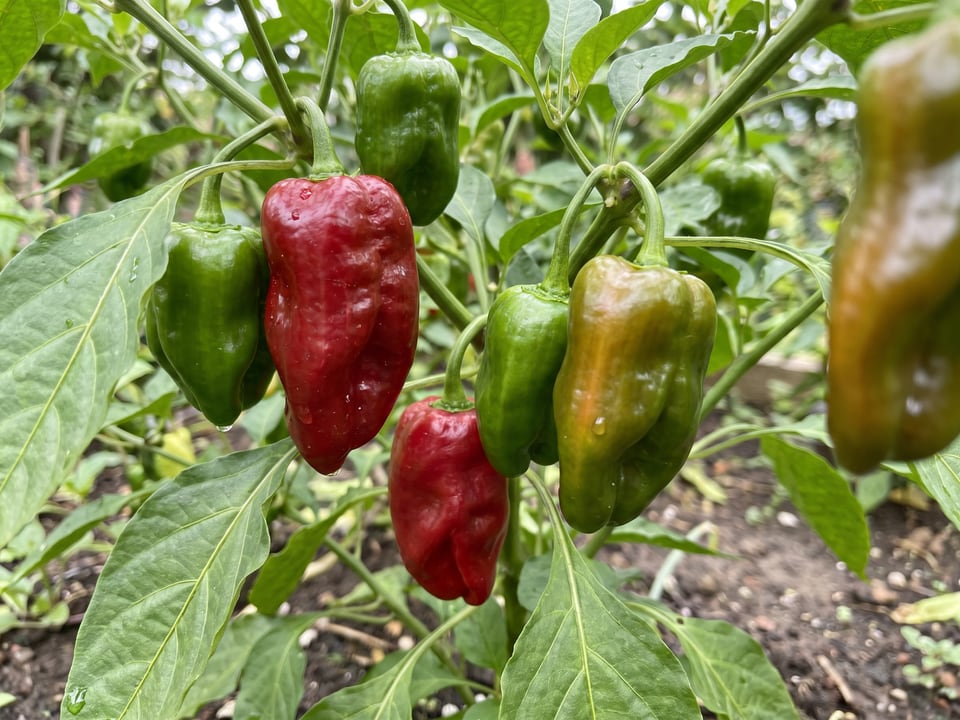
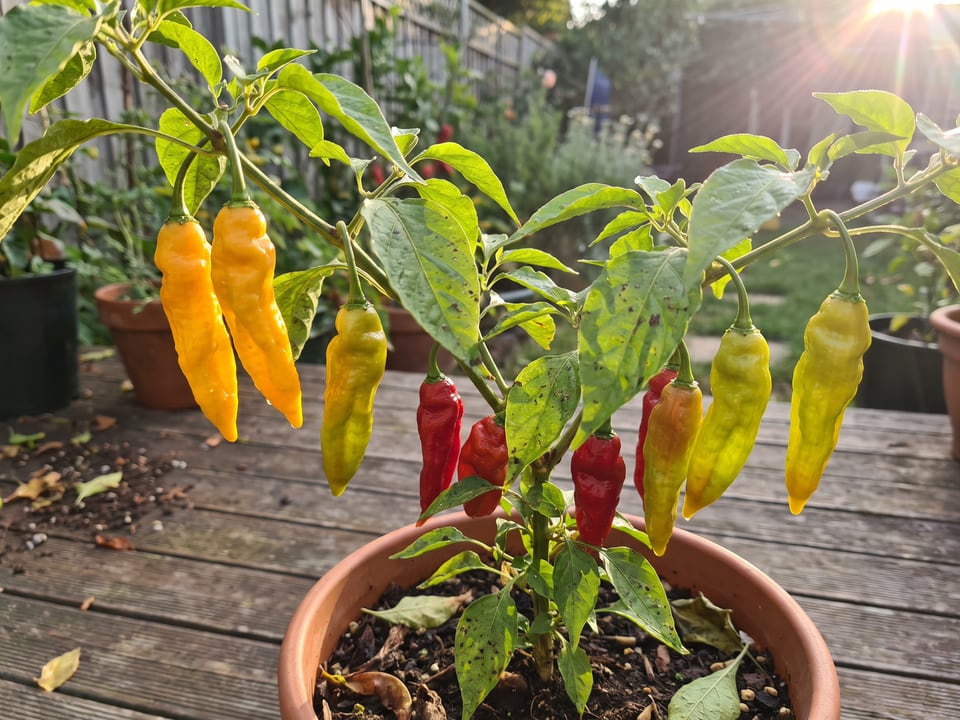
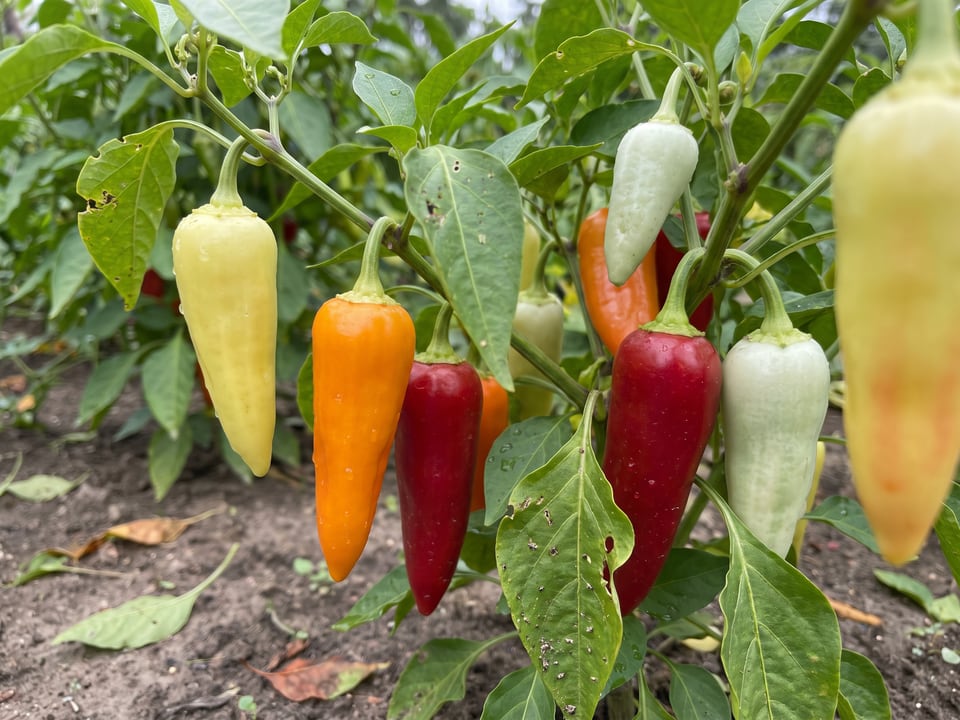
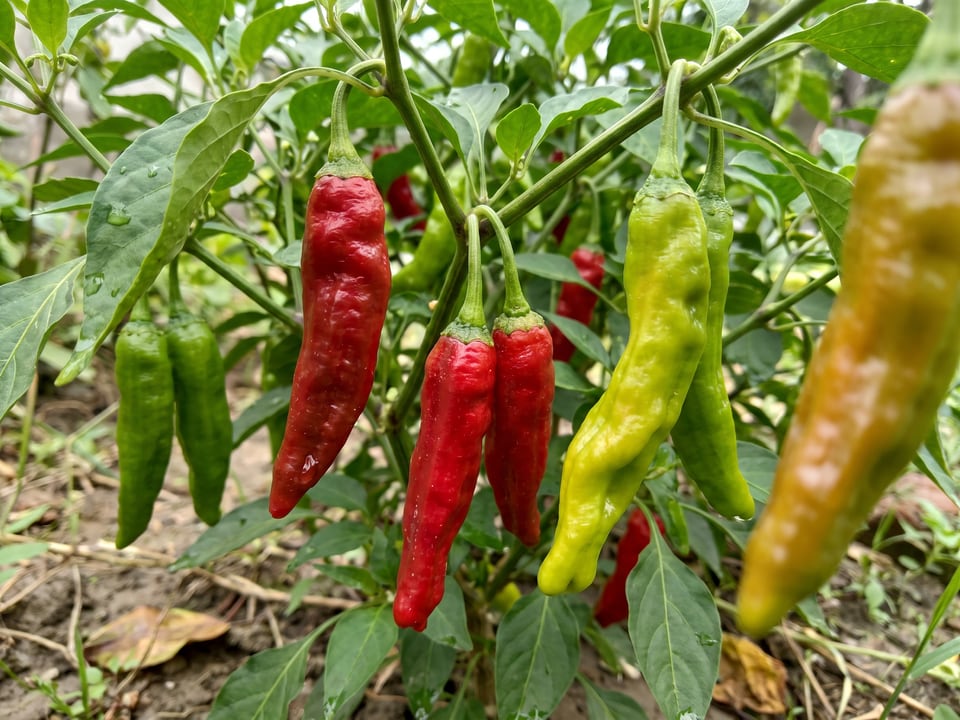
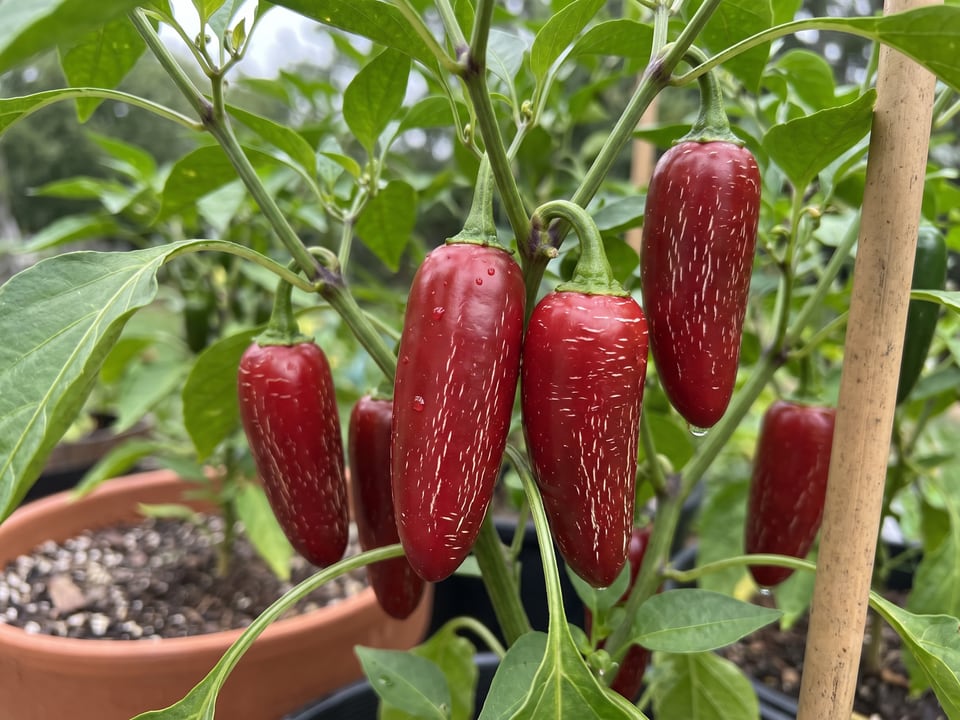
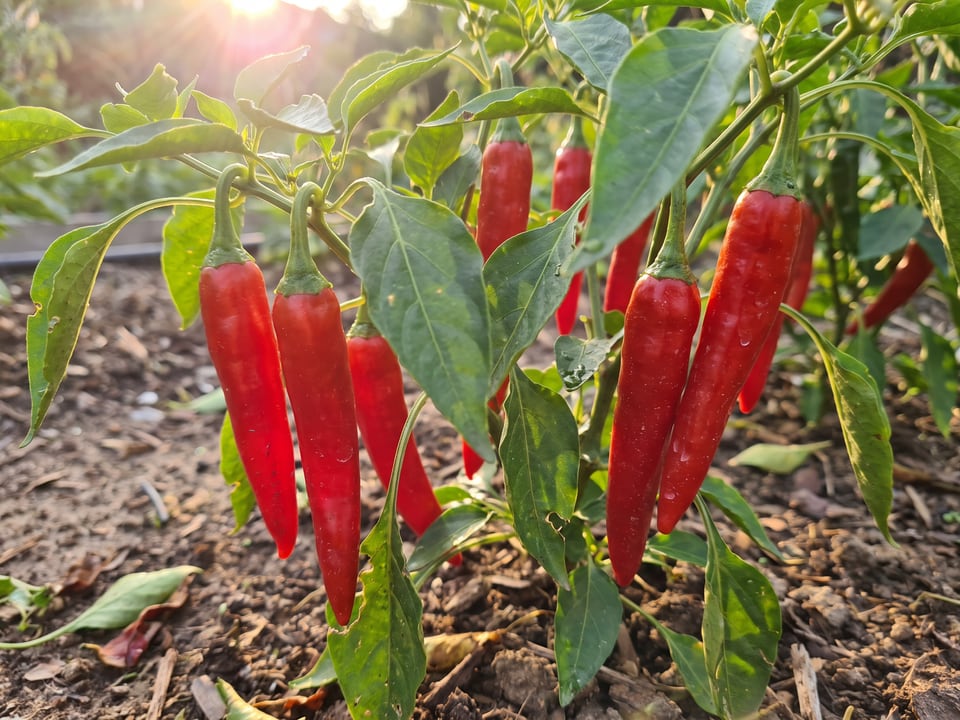
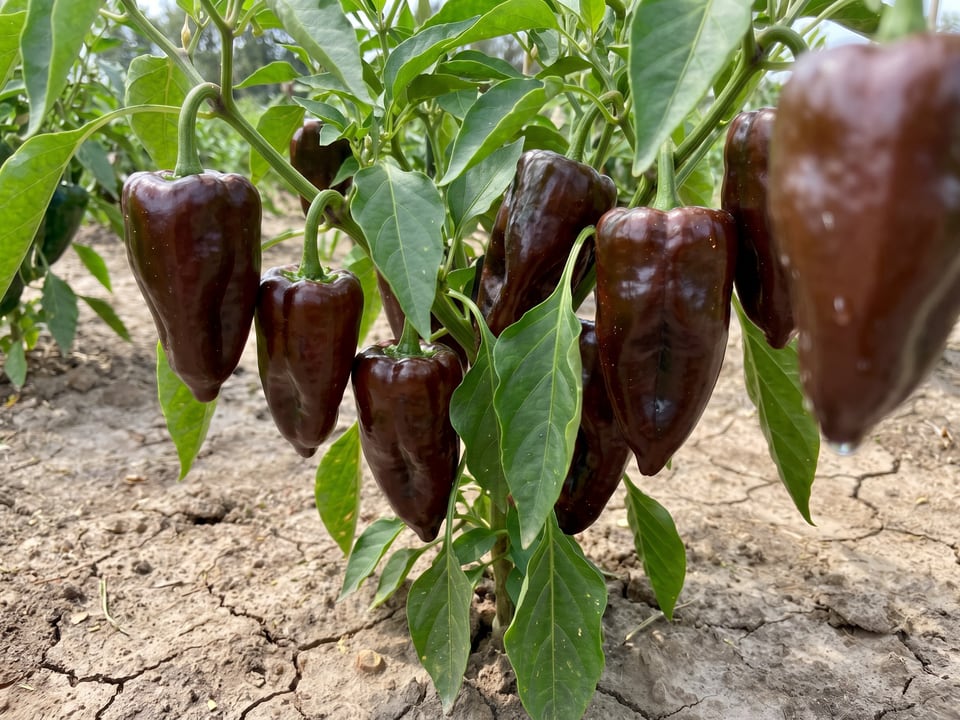
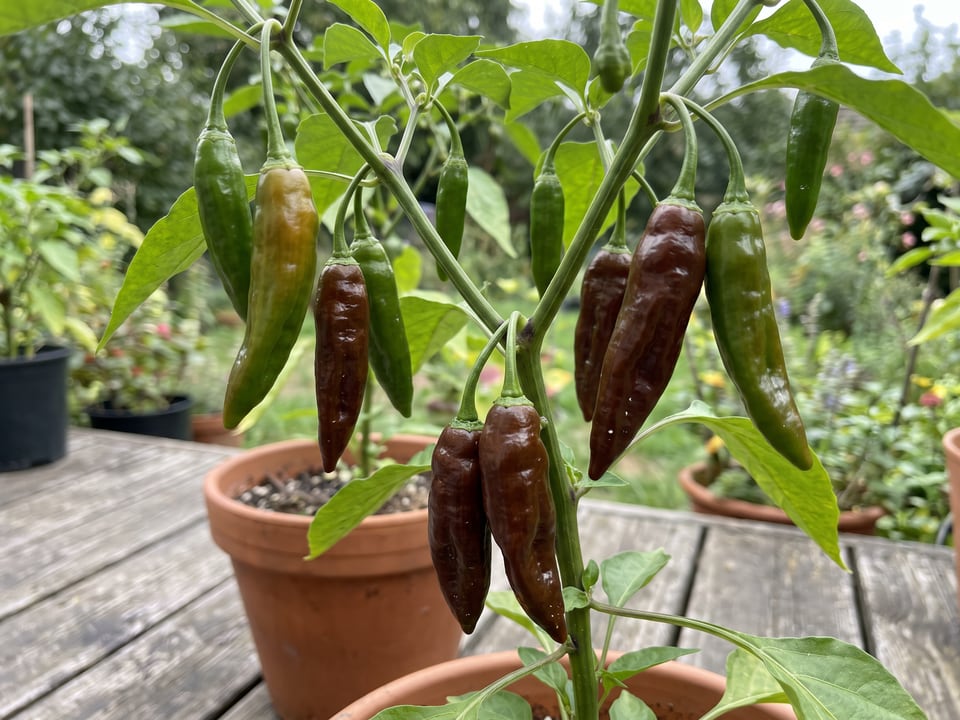
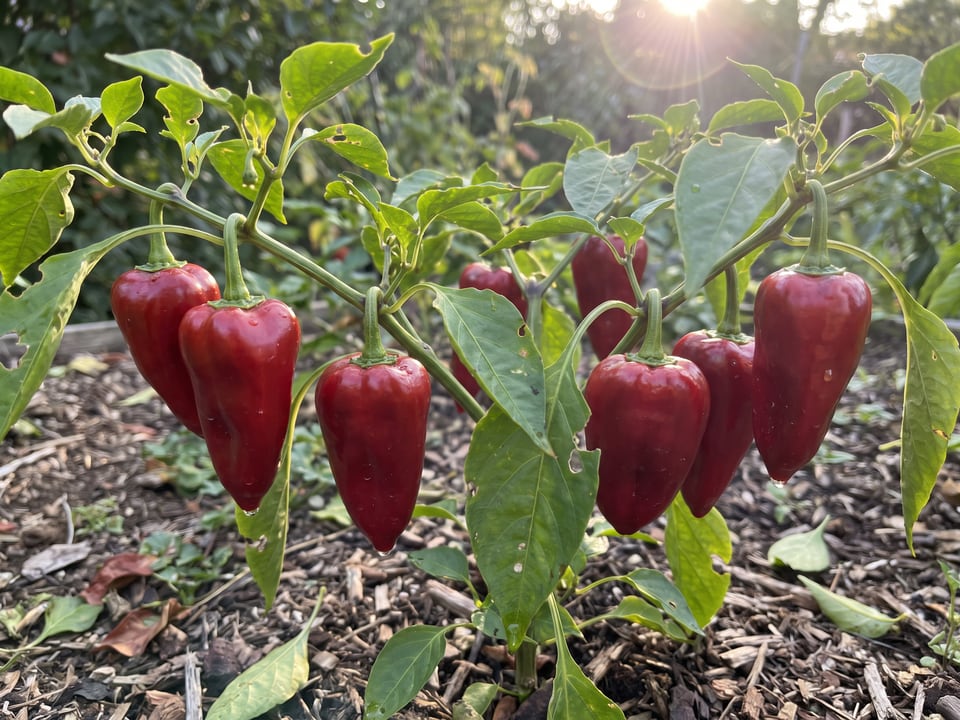
How to choose
-
Start from what you will do with the pod, because this band splits by use more cleanly than by heat. For blistering and eating whole, Shishito and Padrón. For frying and stuffing, Cubanelle and Santa Fe Grande. For the brine jar, Pepperoncini and Cascabella. For drying and grinding, Guajillo and Alma Paprika. A pepper bred for the pan rarely makes a good pickle, and the other way round.
-
Then check the season. Cajun Belle finishes at 60 days from transplant and Bishop's Crown at 95, and every figure on this page is counted from transplant rather than from sowing. Peppers go in indoors six to nine weeks before the last frost, so add that before deciding whether the slower varieties ripen where you live.
-
Expect variation within a variety, not just between them. Padrón is listed at 500 to 2,500 units for a reason: pods off the same plant differ, and the occasional hot one is part of how the variety is eaten in Spain. Heat also rises with ripeness and a hot summer, so a mild pepper picked late in a warm year is not the same pod as one picked green in a cool one.
-
Watch plant size if space is the constraint. Most of this band stays under 90 cm and works in a large container, but Bishop's Crown reaches 150 cm and Cascabella can pass 120 cm, both of which need staking and a real footprint.
Compare side by side
| Color | Uses | |||||
|---|---|---|---|---|---|---|
| Aji Dulce | 88 (estimated) | <1 oz (5–12 g) (estimated) | Mild | 3 (estimated) / 3 (estimated) / 2 (estimated) | Sauce & paste, Fresh & salads, Snacking | |
| Alma Paprika | 75 | 1–2 oz (25–45 g) (estimated) | Mild | 4 (estimated) / 3 (estimated) / 3 (estimated) | Drying, Canning, Fresh & salads, Stuffing | |
| Anaheim TMR | 75 (estimated) | 1–3 oz (40–80 g) (estimated) | Mild | 2 (estimated) / 2 (estimated) / 2 (estimated) | Canning, Drying | |
| Ancho San Luis | 78 (estimated) | 2–4 oz (60–110 g) (estimated) | Mild | 3 (estimated) / 2 (estimated) / 2 (estimated) | Fresh & salads, Drying | |
| Biquinho | 92 | <1 oz (2–5 g) (estimated) | Mild | 3 (estimated) / 3 (estimated) / 2 (estimated) | Canning, Snacking, Fresh & salads | |
| Bishop's Crown | 95 (estimated) | 0–1 oz (10–20 g) (estimated) | Mild | 3 (estimated) / 3 (estimated) / 3 (estimated) | Fresh & salads, Drying, Canning | |
| Black Hungarian | 75 | ~1 oz (15–30 g) (estimated) | Mild | 3 (estimated) / 3 (estimated) / 3 (estimated) | Fresh & salads, Roasting, Canning, Drying | |
| Cajun Belle | 60 (estimated) | 1–2 oz (25–45 g) (estimated) | Mild | 4 (estimated) / 2 (estimated) / 2 (estimated) | Fresh & salads, Stuffing, Snacking, Roasting | |
| Cascabella | 80 | 0–1 oz (8–15 g) (estimated) | Mild | 3 (estimated) / 4 (estimated) / 3 (estimated) | Canning, Fresh & salads, Snacking | |
| Chimayo | 75 | ~1 oz (15–30 g) (estimated) | Mild | 3 (estimated) / 2 (estimated) / 3 (estimated) | Drying, Sauce & paste, Roasting | |
| Cubanelle | 65 | 2–4 oz (60–100 g) (estimated) | Mild | 3 (estimated) / 2 (estimated) / 2 (estimated) | Roasting, Stuffing, Fresh & salads | |
| Early Jalapeno | 67 (estimated) | ~1 oz (20–35 g) (estimated) | Mild | 2 (estimated) / 3 (estimated) / 3 (estimated) | Fresh & salads, Canning, Stuffing, Roasting | |
| Guajillo | 80 | 0–1 oz (10–20 g) (estimated) | Mild | 2 (estimated) / 3 (estimated) / 3 (estimated) | Drying, Sauce & paste | |
| Mulato Isleño | 79 (estimated) | 3–5 oz (80–140 g) (estimated) | Mild | 3 (estimated) / 2 (estimated) / 3 (estimated) | Stuffing, Roasting, Drying, Sauce & paste | |
| Padron | 75 | 0–1 oz (8–15 g) (estimated) | Mild | 2 (estimated) / 2 (estimated) / 2 (estimated) | Roasting, Snacking, Fresh & salads | |
| Pasilla Bajio | 85 (estimated) | ~1 oz (20–40 g) (estimated) | Mild | 2 (estimated) / 2 (estimated) / 3 (estimated) | Drying, Sauce & paste, Roasting | |
| Pepperoncini | 78 (estimated) | 0–1 oz (10–20 g) (estimated) | Mild | 3 (estimated) / 4 (estimated) / 2 (estimated) | Canning, Fresh & salads, Snacking | |
| Santa Fe Grande | 80 | 1–2 oz (25–45 g) (estimated) | Mild | 3 (estimated) / 3 (estimated) / 3 (estimated) | Canning, Roasting, Fresh & salads, Stuffing | |
| Shishito | 65 | 0–1 oz (8–15 g) (estimated) | Mild | 3 (estimated) / 2 (estimated) / 2 (estimated) | Roasting, Snacking, Fresh & salads | |
| TAM Jalapeno | 70 (estimated) | ~1 oz (20–35 g) (estimated) | Mild | 2 (estimated) / 3 (estimated) / 2 (estimated) | Fresh & salads, Canning, Stuffing, Roasting |
Values marked like this (estimated) are estimates.
Frequently asked questions
Is a jalapeño a mild pepper?
By the bands used here, yes. Both jalapeños in this catalog fall under 5,000 Scoville heat units: TAM Jalapeño at 1,000 to 1,500, bred at Texas A&M to keep the flavour and drop the heat, and Early Jalapeño at 2,500 to 5,000. Jalapeños from other sources are sometimes quoted up to 8,000 units, which would put them in the medium band instead. It is a boundary case, and the figure on each variety page is the one this catalog stands behind.
Which mild pepper is best for someone who does not like heat at all?
None of them, strictly. Every variety in this band carries some capsaicin, from about 100 units upward. For genuinely no heat, browse the sweet band instead, where bells, Italian frying peppers and Habanada sit at zero.
Are Shishito and Padrón the same thing?
No, though they are used the same way: blistered whole in a hot pan and eaten with salt. Shishito is Japanese and listed here at 100 to 1,000 Scoville heat units; Padrón is Spanish and runs 500 to 2,500, so it is the more likely of the two to hand you a hot one. Both crop heavily and both are picked green and small.
Can I dry any mild pepper?
You can dry most of them, but only some are worth it. Guajillo and Alma Paprika have the flesh and the flavour that hold up to drying and grinding, which is what they are grown for. A thin-walled snacking pepper dries to very little, and a thick fresh-eating type takes a long time to dry and can spoil before it finishes.