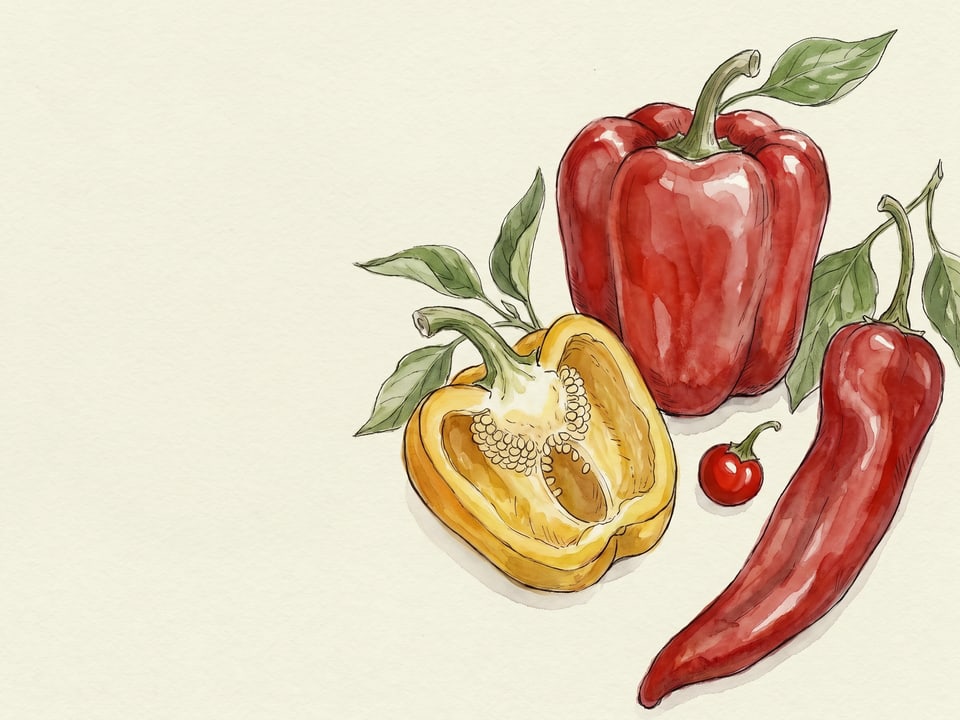
Sweet pepper varieties
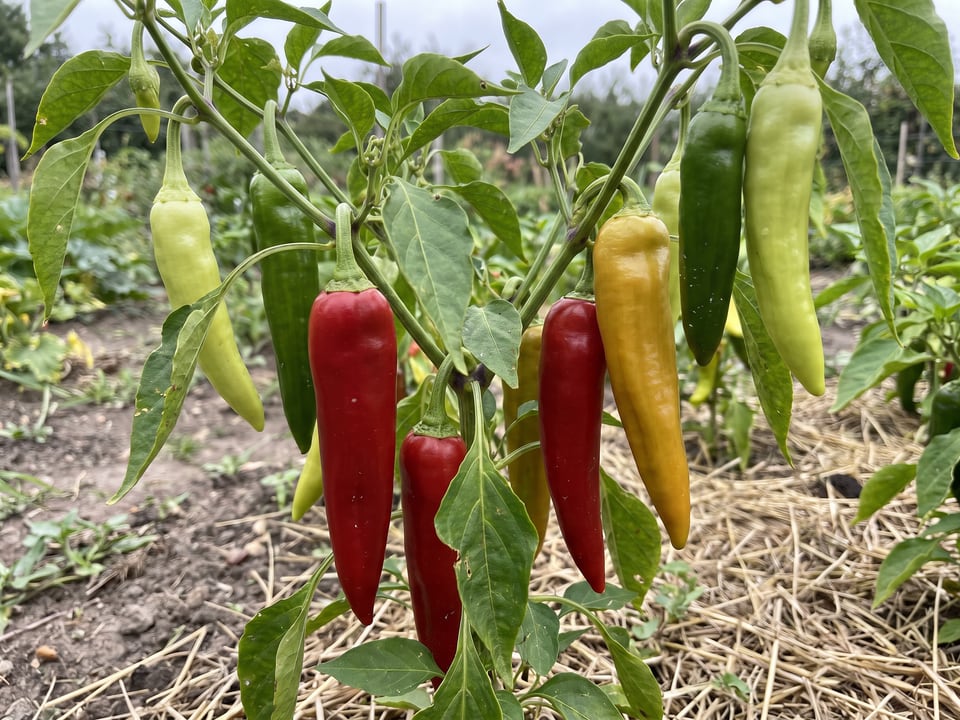
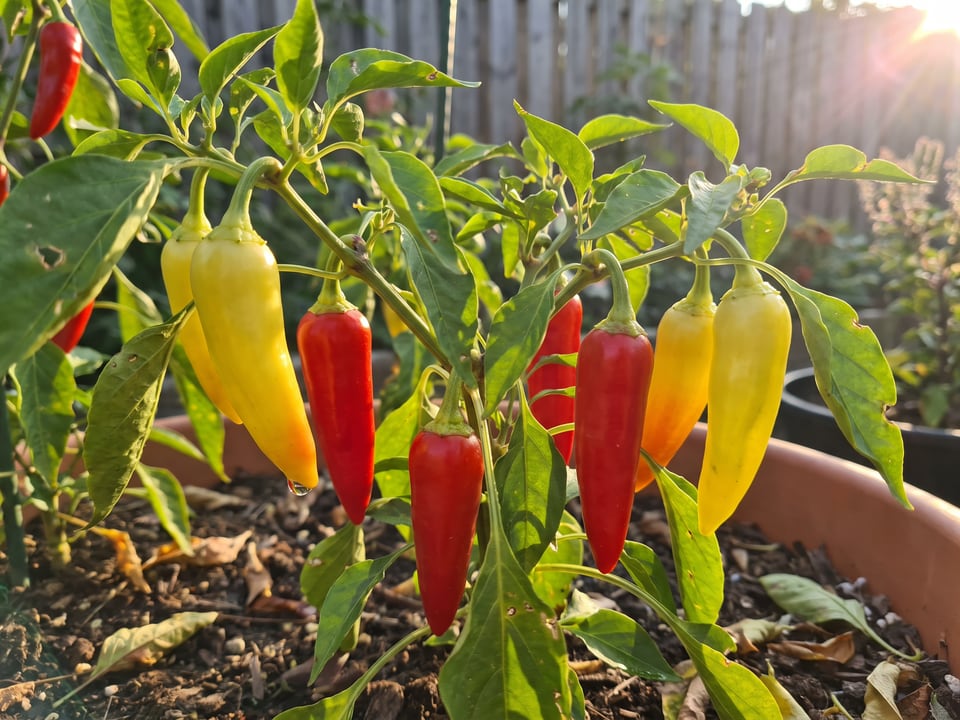
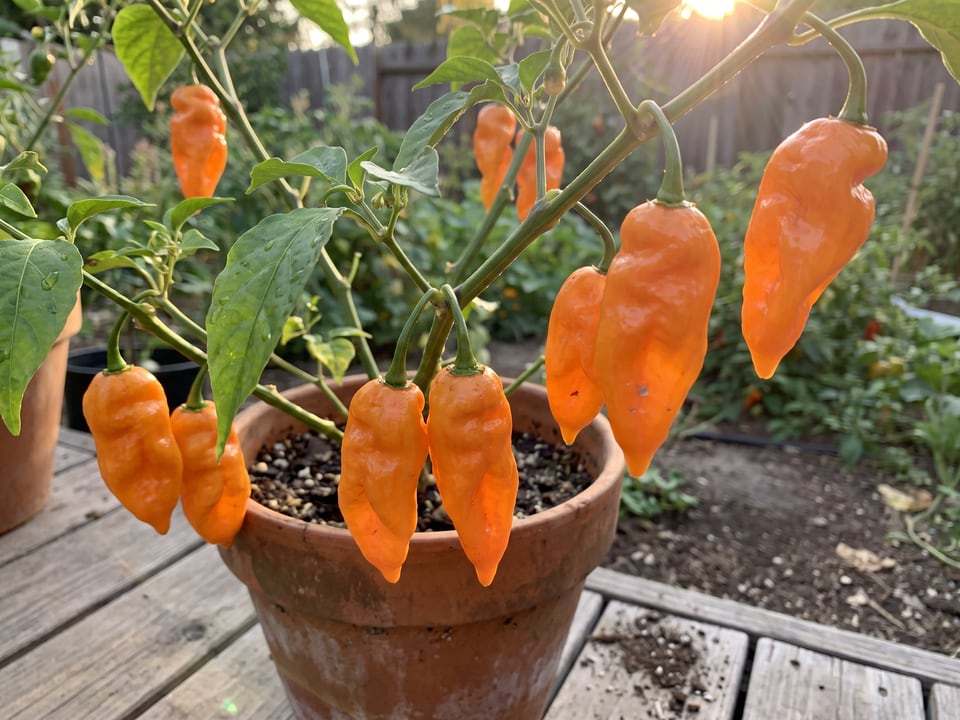
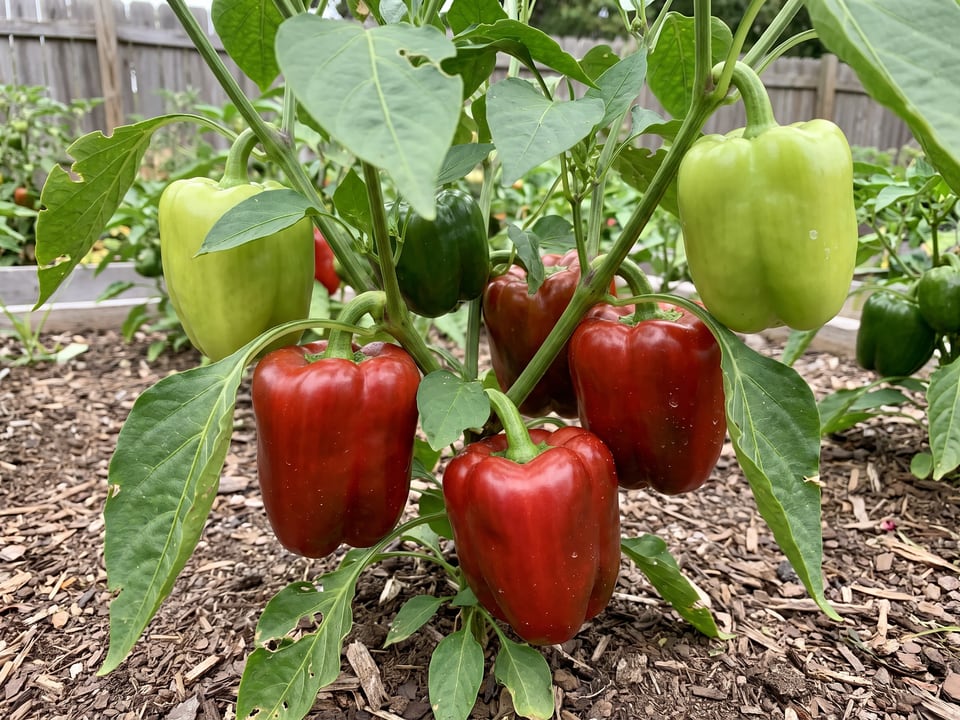
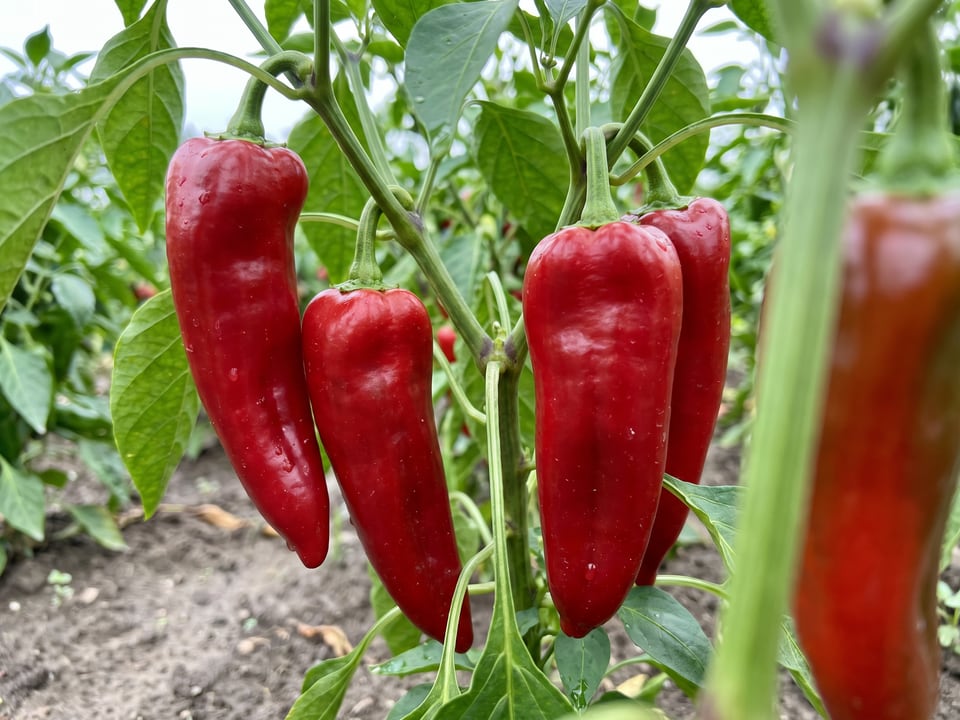
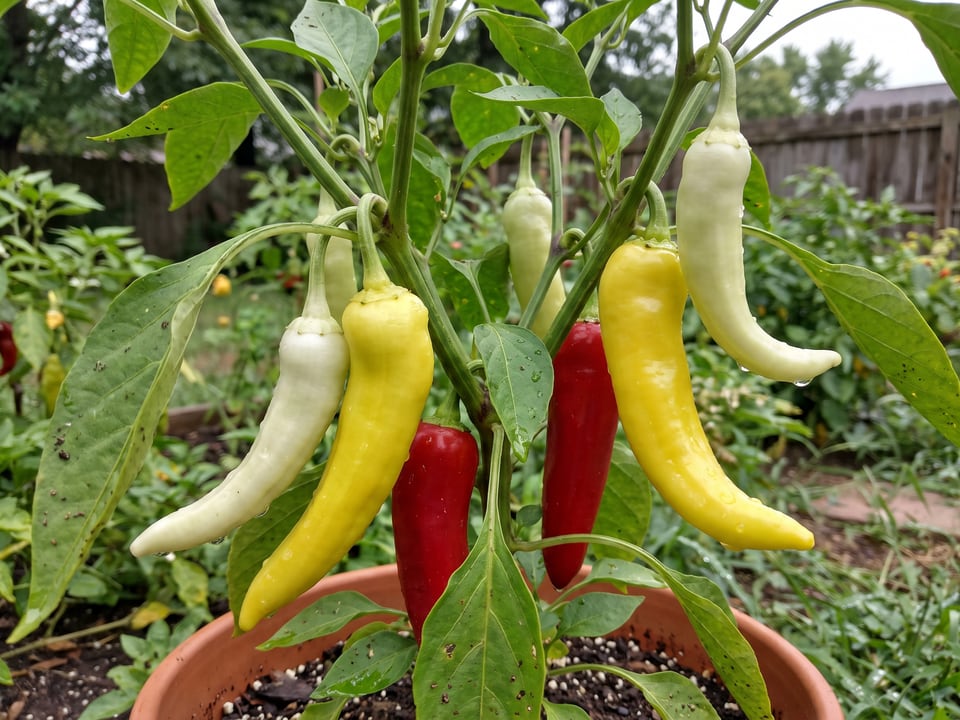
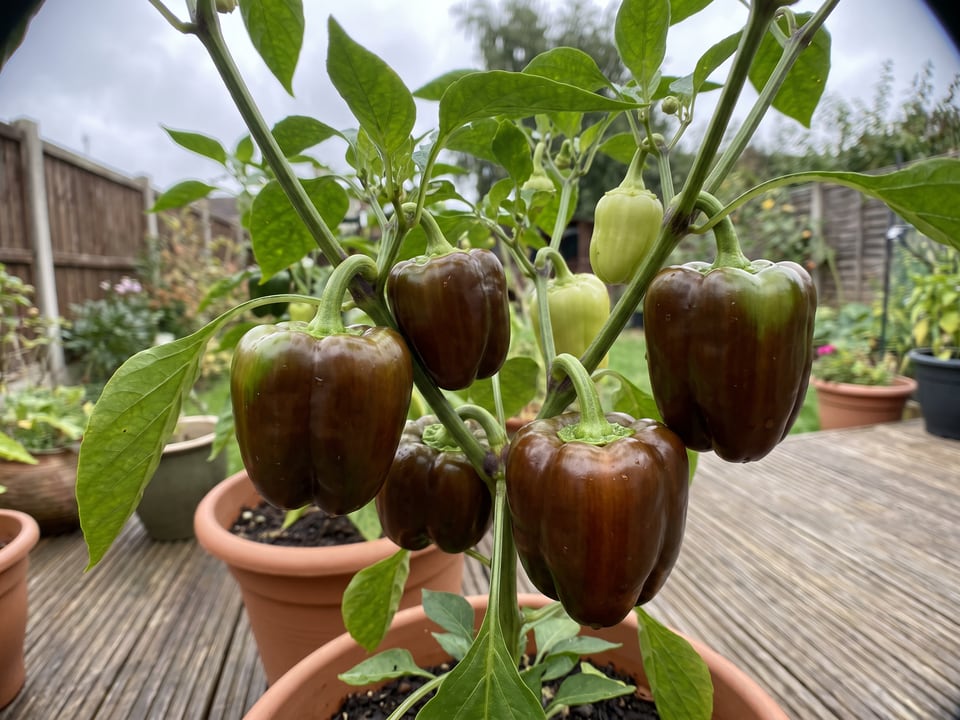
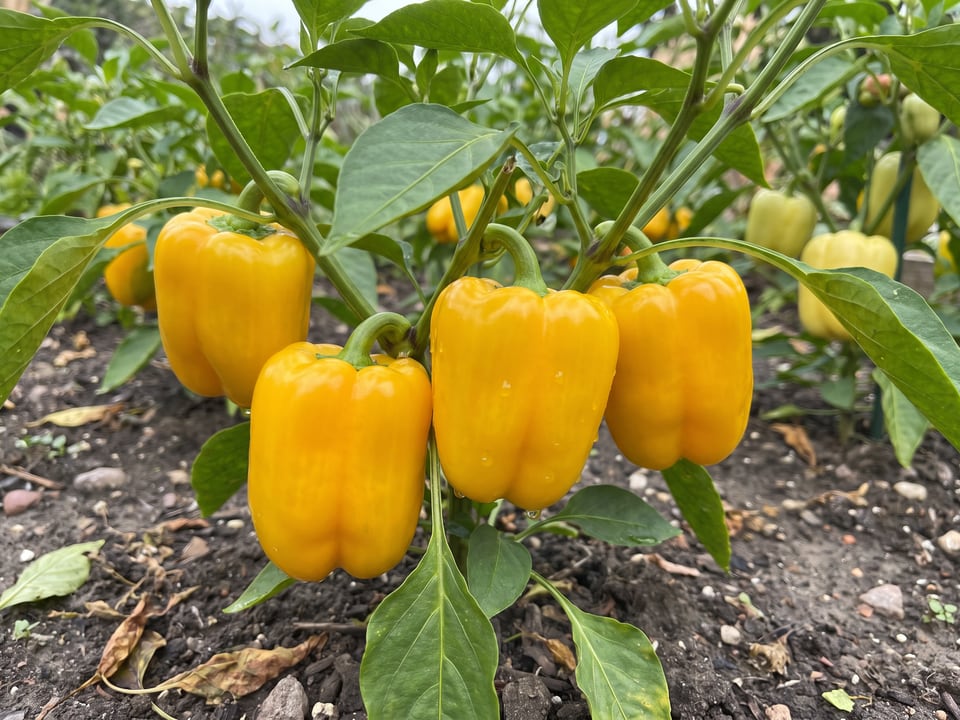
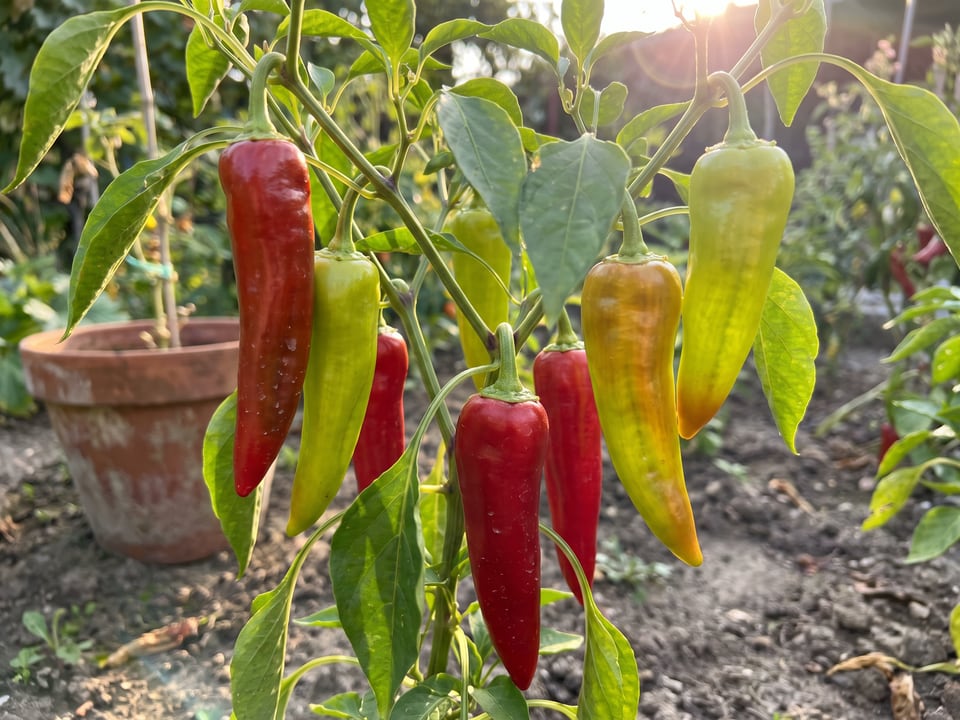
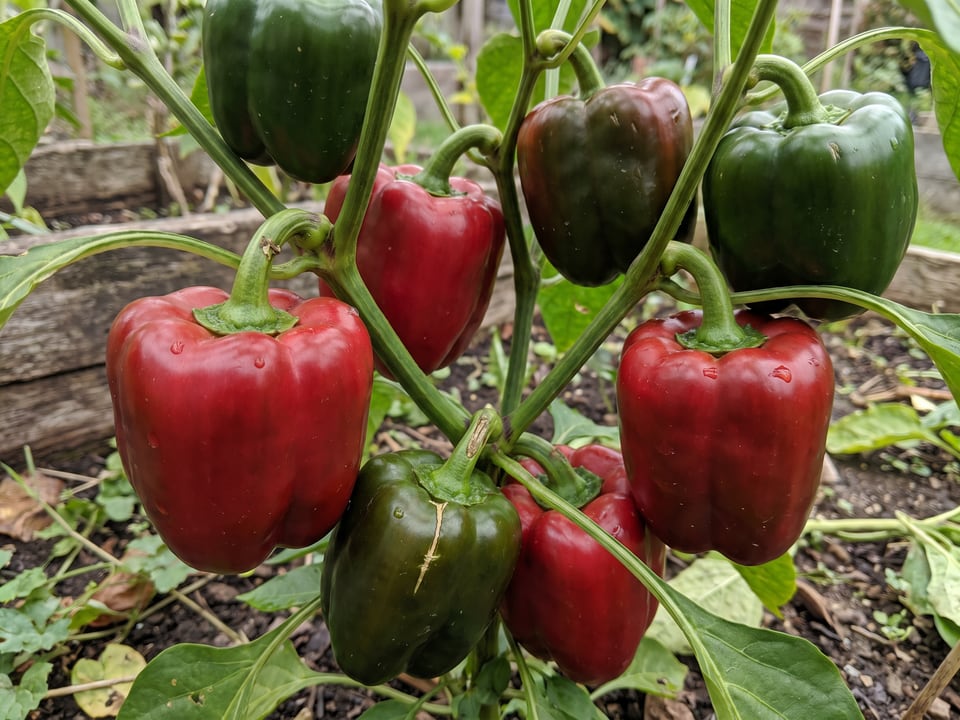
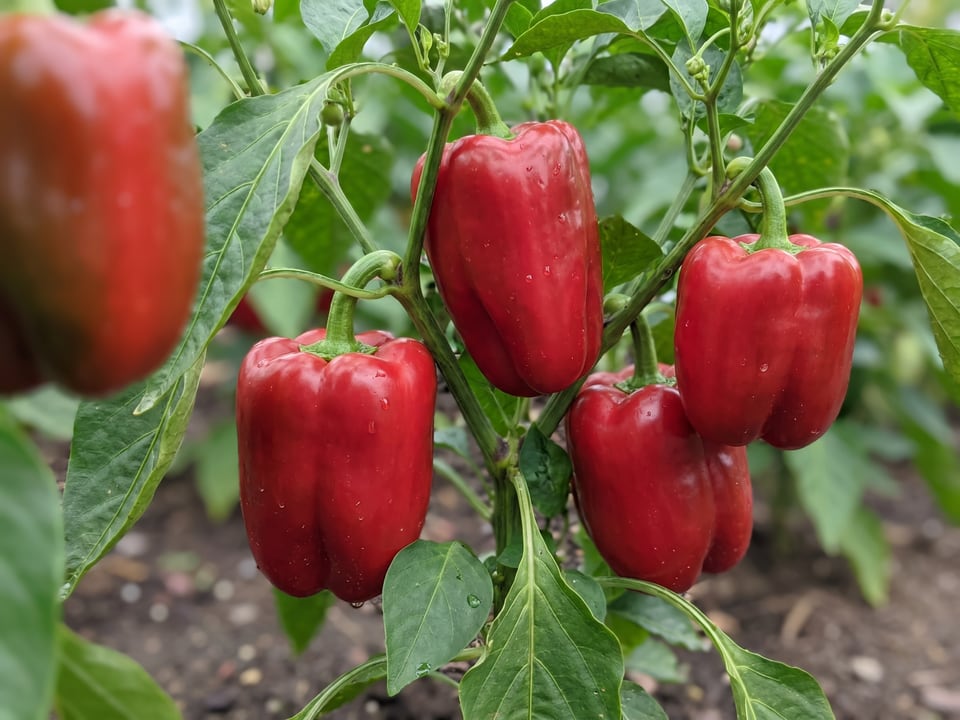
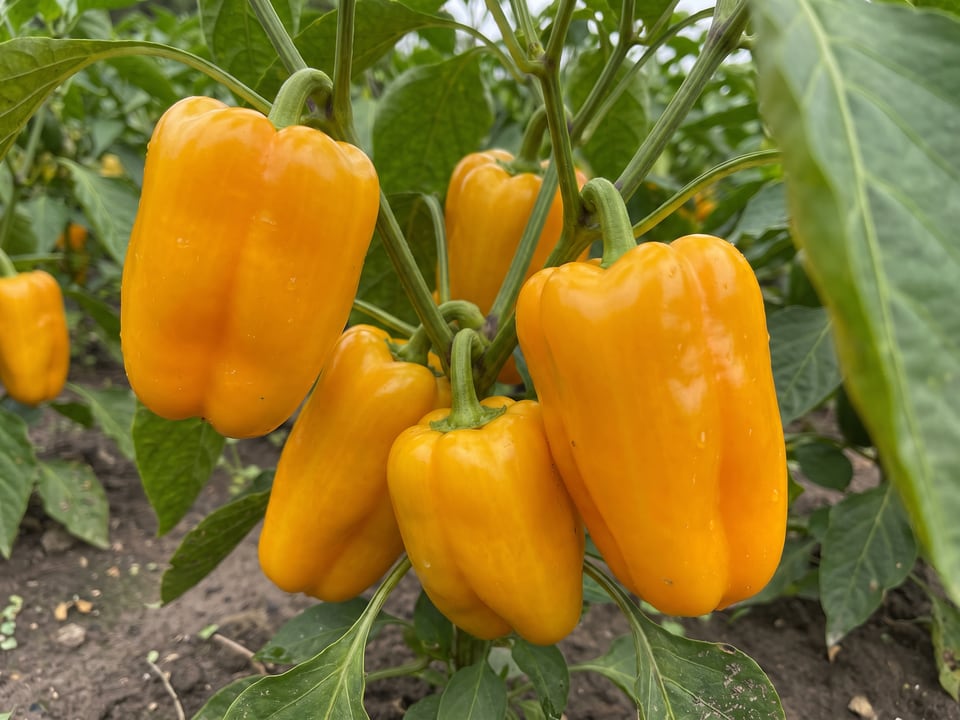
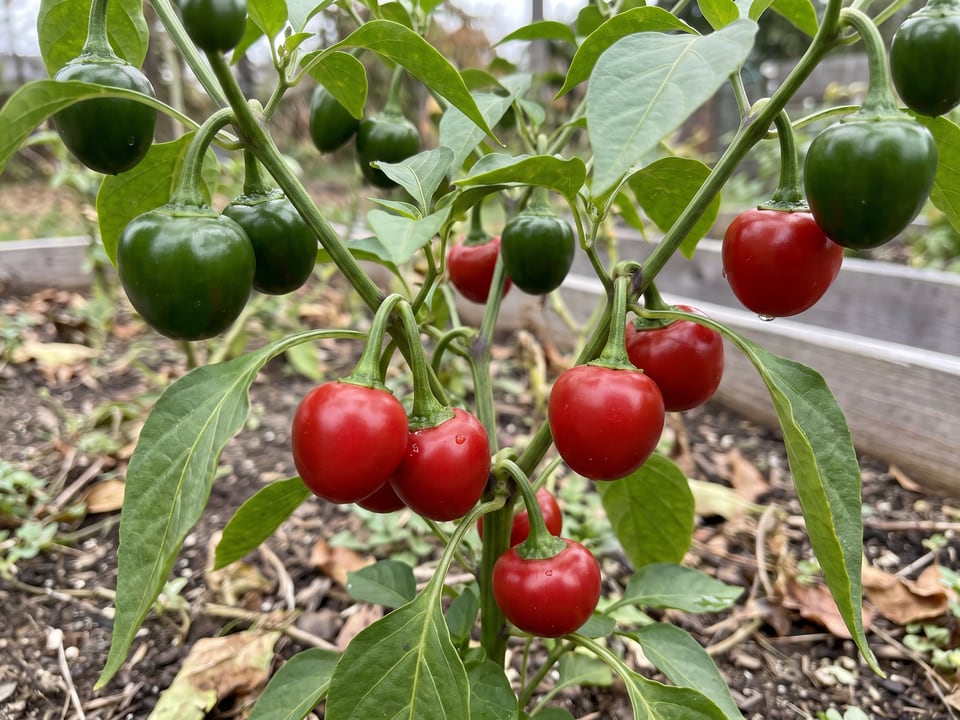
Sweet peppers carry no usable heat at all, and nineteen of them sit in this catalog. They divide into two families that are used quite differently. The blocky bells, among them California Wonder, Big Bertha, King of the North, Purple Beauty, Chocolate Beauty and Sweet Chocolate, have thick walls and a hollow shape built for stuffing and slicing, from 70 g up to 300 g. The long Italian frying types — Marconi Red, Corno di Toro and Jimmy Nardello — have thinner walls and more sugar, and collapse into something sweet in a hot pan rather than holding their shape. Sweet Banana sits between the two, and Habanada is the odd one: a habanero bred at Cornell with the heat taken out, so it keeps the tropical aroma of a Capsicum chinense at zero Scoville units. Days to harvest run 61 to 100 days from transplant, and fruit weight spans more than thirty-fold across the band, which is a bigger practical difference than colour.
- Varieties
- 19
- Days to harvest (from transplant)
- 61–100
- Fruit weight
- 0–11 oz (8–300 g)
- Heat
-
19 No heat
All 19 sweet pepper varieties
How to choose
-
Decide which family you want before you look at colour. A bell is for stuffing, slicing into rings and eating raw; an Italian frying type is for the pan, where its thin walls and sugar do something a bell cannot. Buying a frying pepper expecting a bell is the most common disappointment in this band.
-
Match the days to your season honestly. King of the North ripens at 68 days from transplant and is named for exactly that reason; Jimmy Nardello needs 90 and Habanada 95. Peppers start indoors six to nine weeks before the last frost, so the real calendar is longer than the number. A bell that does not reach its ripe colour before frost is still edible green, but it is not what you grew it for.
-
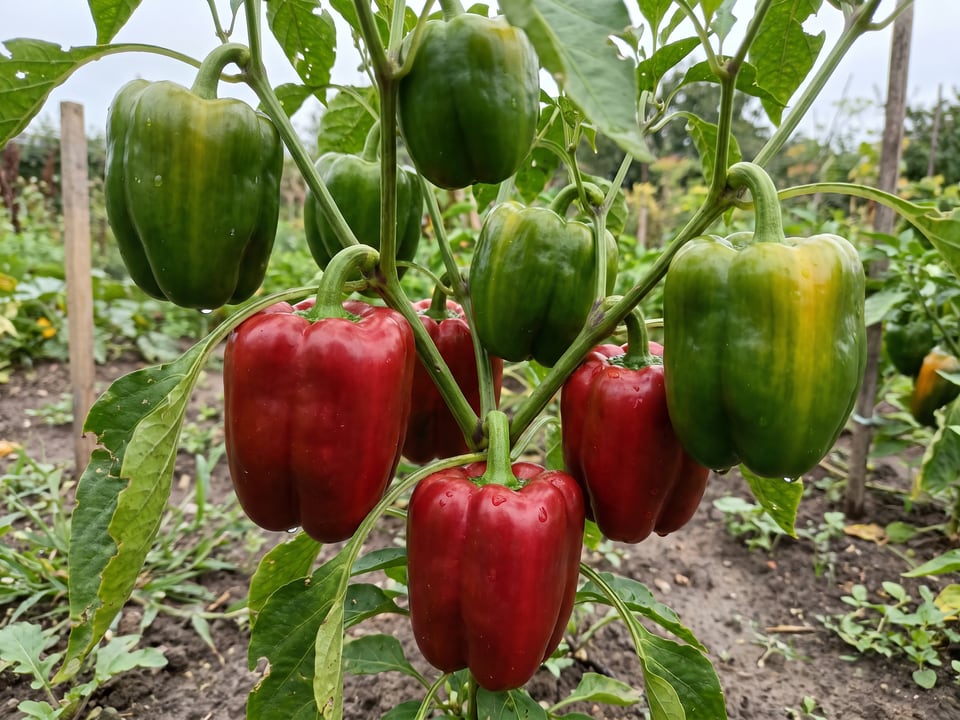
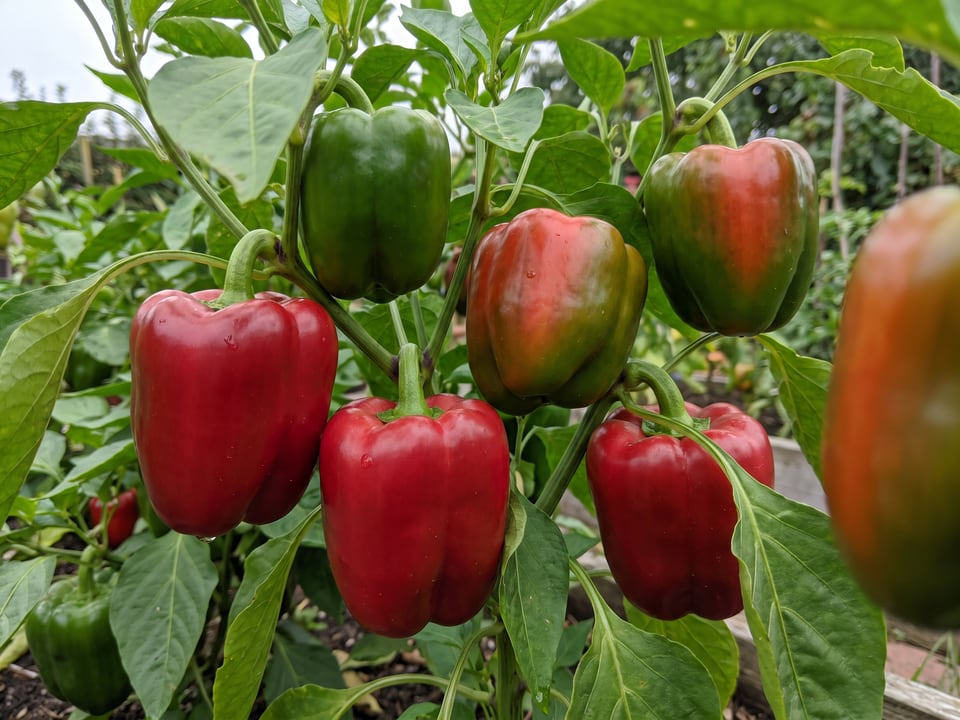
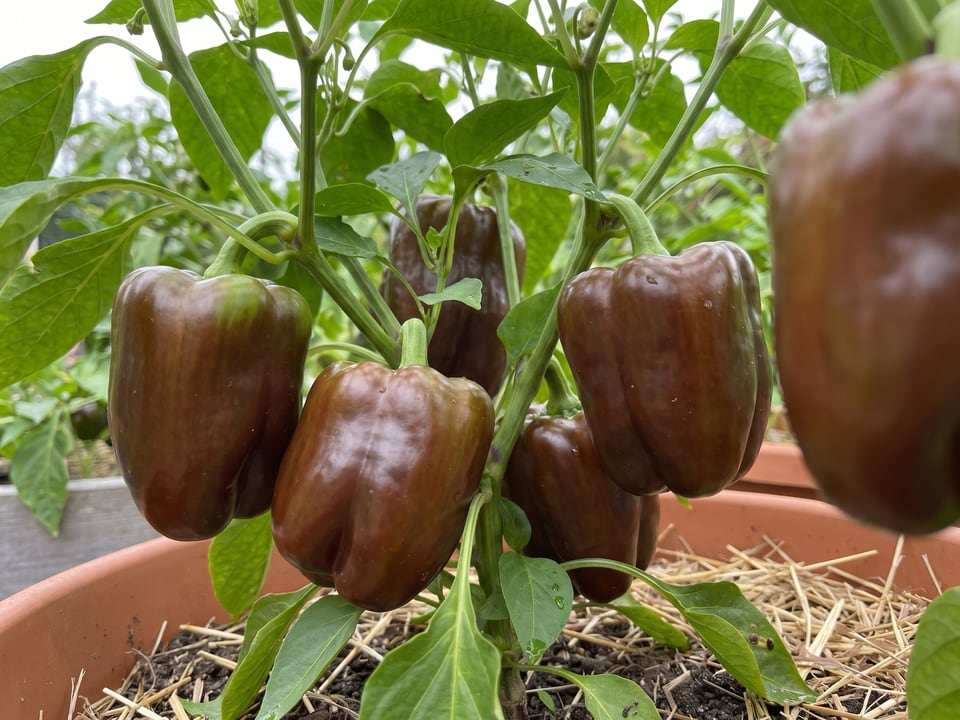
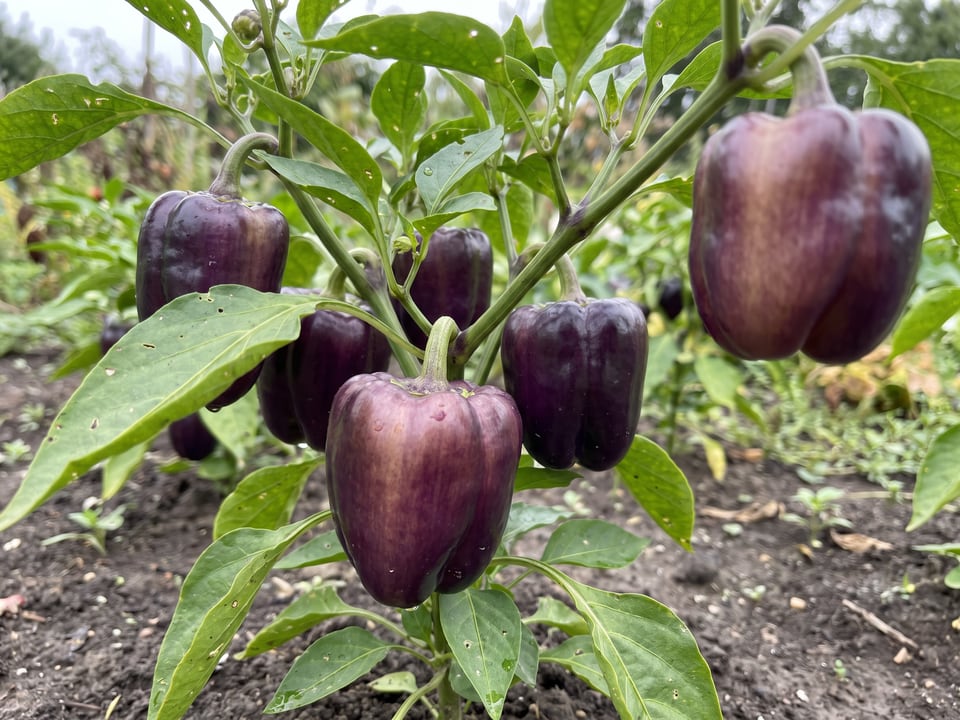
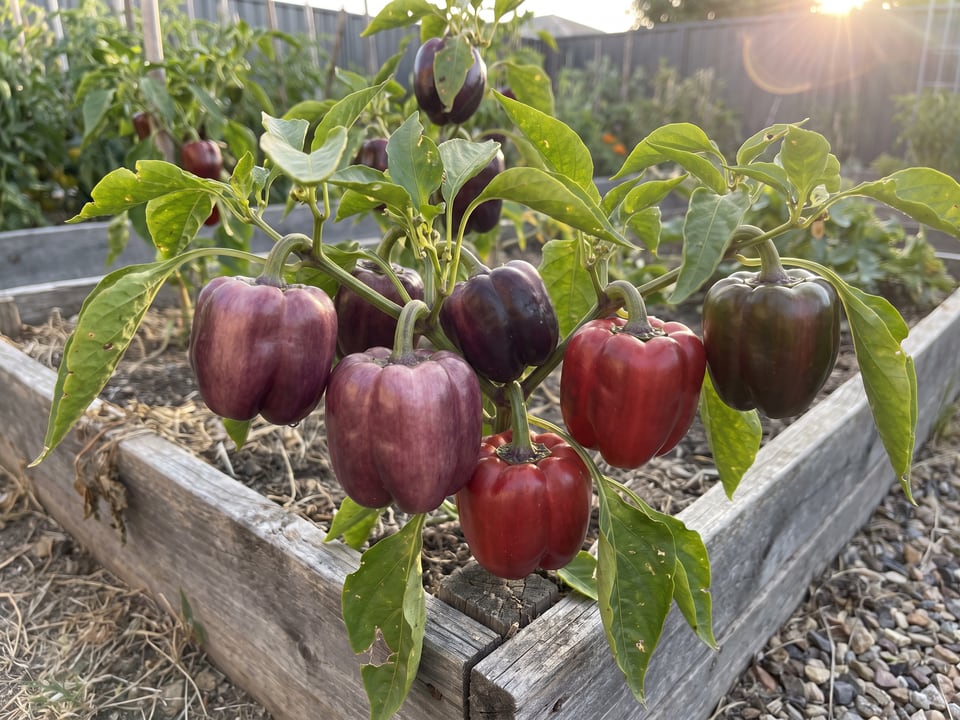
Treat colour as the last filter. This band covers red, yellow, orange, purple and two brown varieties, and almost every one of them is green first and ripens to its final colour later. The purple ones in particular hold their colour only until they ripen fully. Pick the season and the shape first, then choose from what is left.
-
Think about wall thickness rather than size. A 280 g Big Bertha and a 25 g Jimmy Nardello are both sweet peppers, but the first is a container for a filling and the second is a strip of sugar and skin. The variety pages list weight and use side by side, which is the pair worth reading together.
Compare side by side
| Color | Uses | |||||
|---|---|---|---|---|---|---|
| Big Bertha | 73 | 6–10 oz (180–280 g) (estimated) | No heat | 4 (estimated) / 2 (estimated) / 2 (estimated) | Stuffing, Fresh & salads, Roasting, Slicing | |
| California Wonder | 78 | 5–7 oz (140–200 g) (estimated) | No heat | 4 (estimated) / 2 (estimated) / 2 (estimated) | Fresh & salads, Stuffing, Roasting, Slicing | |
| Canary Bell | 100 | 5–7 oz (140–200 g) (estimated) | No heat | 4 (estimated) / 2 (estimated) / 2 (estimated) | Stuffing, Roasting, Fresh & salads | |
| Carmen | 75 | 4–6 oz (100–170 g) (estimated) | No heat | 4 (estimated) / 2 (estimated) / 3 (estimated) | Roasting, Fresh & salads, Slicing | |
| Chinese Giant | 82 (estimated) | 7–11 oz (200–300 g) (estimated) | No heat | 4 (estimated) / 2 (estimated) / 2 (estimated) | Stuffing, Roasting, Fresh & salads | |
| Chocolate Beauty | 68 (estimated) | 4–6 oz (120–180 g) (estimated) | No heat | 5 (estimated) / 2 (estimated) / 2 (estimated) | Fresh & salads, Stuffing, Roasting, Slicing | |
| Corno di Toro | 80 (estimated) | 3–5 oz (80–130 g) (estimated) | No heat | 5 (estimated) / 2 (estimated) / 3 (estimated) | Roasting, Fresh & salads, Slicing, Canning | |
| Emerald Giant | 77 | 5–8 oz (150–230 g) (estimated) | No heat | 3 (estimated) / 2 (estimated) / 2 (estimated) | Stuffing, Fresh & salads, Roasting | |
| Flavorburst | 85 (estimated) | 5–8 oz (150–230 g) (estimated) | No heat | 4 (estimated) / 2 (estimated) / 2 (estimated) | Fresh & salads, Stuffing, Slicing | |
| Gypsy | 61 | 2–4 oz (70–110 g) (estimated) | No heat | 4 (estimated) / 2 (estimated) / 2 (estimated) | Fresh & salads, Roasting, Stuffing | |
| Habanada | 95 (estimated) | 0–1 oz (8–15 g) (estimated) | No heat | 4 (estimated) / 2 (estimated) / 1 (estimated) | Fresh & salads, Snacking, Sauce & paste | |
| Jimmy Nardello | 90 (estimated) | ~1 oz (20–35 g) (estimated) | No heat | 4 (estimated) / 2 (estimated) / 3 (estimated) | Fresh & salads, Snacking, Roasting | |
| King of the North | 68 (estimated) | 4–6 oz (110–170 g) (estimated) | No heat | 4 (estimated) / 2 (estimated) / 2 (estimated) | Fresh & salads, Stuffing, Roasting, Slicing | |
| Lilac Bell | 75 | 4–6 oz (120–180 g) (estimated) | No heat | 4 (estimated) / 2 (estimated) / 2 (estimated) | Fresh & salads, Stuffing, Slicing | |
| Marconi Red | 73 | 3–5 oz (90–140 g) (estimated) | No heat | 5 (estimated) / 2 (estimated) / 3 (estimated) | Roasting, Fresh & salads, Slicing, Canning | |
| Purple Beauty | 72 | 3–5 oz (90–140 g) (estimated) | No heat | 4 (estimated) / 2 (estimated) / 2 (estimated) | Fresh & salads, Stuffing, Roasting, Snacking | |
| Red Cherry Sweet | 85 (estimated) | ~1 oz (15–30 g) (estimated) | No heat | 4 (estimated) / 3 (estimated) / 2 (estimated) | Canning, Stuffing, Fresh & salads | |
| Sweet Banana | 72 (estimated) | 1–2 oz (40–60 g) (estimated) | No heat | 4 (estimated) / 3 (estimated) / 2 (estimated) | Fresh & salads, Canning, Stuffing, Snacking | |
| Sweet Chocolate | 70 (estimated) | 3–5 oz (90–140 g) (estimated) | No heat | 5 (estimated) / 2 (estimated) / 2 (estimated) | Fresh & salads, Stuffing, Slicing, Canning |
Values marked like this (estimated) are estimates.
Frequently asked questions
Do sweet peppers have any heat at all?
Effectively none. Most varieties here measure zero Scoville heat units; four carry a published upper figure of 100 to 500, which is below what most people notice as heat and well under a jalapeño. If you want a trace of warmth, the mild band starts at about 100 units.
What is the difference between a bell pepper and an Italian frying pepper?
Wall thickness, shape and sugar. A bell is blocky and thick-walled, which is what lets it hold a filling and stay crisp raw. A frying type such as Marconi Red or Jimmy Nardello is long, tapered and thinner, with more sugar, so it softens and sweetens quickly in oil. Neither substitutes well for the other.
Is Habanada actually a habanero?
Genetically it comes from one. Michael Mazourek at Cornell bred out the capsaicin while keeping the aroma, so the pod smells and tastes floral and tropical like a habanero and measures no heat. It is the only variety in this band that tastes of a superhot.
Why are some sweet peppers brown or purple?
Because ripening does not have to end at red. Chocolate Beauty and Sweet Chocolate ripen through green to a deep brown, and Purple Beauty holds purple until it ripens further. The colour is a difference in pigment, not in flavour class: all of them are sweet peppers and are used the same way.