Stupice
Stupické polní rané · Stupicke Polni Rane
Single source · Reviewed Sep 8, 2026
Values marked like this (estimated) are model estimates, not confirmed from a source.
Heirloom cocktail from Czechoslovakia, 1955. Compact potato-leaf plant ripening small red fruit weeks before most varieties, with a sweet-tangy bite. Ready in about 55 days from transplant.
- Heirloom
- 55 days to maturity (from transplant)
- Indeterminate
- Cocktail-size fruit
- Easy (estimated)
At a glance
- Fruit type
- Cocktail 1–3 oz (30–85 g) · Round
- Leaf type
- Potato leaf
- Plant height
- 3–4 ft (90–120 cm) Medium height
- Spacing
- 24 × 35 in (60 × 90 cm) (estimated)
- Sunlight
- Full sun
- Position
- Handles open positions
- Growing sites
- Greenhouse · Polytunnel · Open ground · Container
- Container growing
- Balcony friendly min. 7 gal (30 L) pot (estimated)
- Skin
-
- Red
- Interior
-
- Red
Plant size and habit
Medium height · Indeterminate
3–4 ft (90–120 cm) · Potato leaf
Stupice is an indeterminate plant that keeps growing and setting fruit until frost; it needs a stake, cage, or trellis for the whole season. Expect a plant of 3–4 ft (90–120 cm).
Flavor
“Compact potato-leaf plant ripening small red fruit weeks before most varieties, with a sweet-tangy bite.”
Growing calendar
- Sow indoors
- Transplant out
- Harvest
Timing shown for temperate climates; sow indoors 6–8 weeks before your last frost date.
Disease resistance
No documented disease resistances — protect this variety with good airflow and crop rotation.
Uses & tags
- Fresh & salads
- Snacking
- Slicing
- Heirloom classic
- Short season
- Cold climate
- Beginner friendly
- High yield
Origin
Stupice was bred by Jaroslav Homola at the state farm in Stupice, a village near Prague, from a cross of Mikado, Sláva Porýni and Solanum racemigerum made in the 1940s. Two selections were released: the early field strain in 1955 and a greenhouse strain in 1954. Seed reached North America in March 1976, when Milan Sodomka sent a packet to Forest Shomer of the Abundant Life Seed Foundation, which offered it commercially; which of the two Czech strains that packet held is not recorded. By 1986 nine Seed Savers Exchange members were listing it, and it remains one of the most widely grown early tomatoes in the United States.
Sources
Where to buy seeds
| Shop | Offer | Price | Packet | Stock | |
|---|---|---|---|---|---|
| True Leaf Market | Seeds | $2.99Checked Sep 16, 2026 | 300 Mg Packet | Check availability | Buy |
| Tomato Growers Supply Company | Seeds | $3.25Checked Sep 16, 2026 | Pack (30 seeds) | Check availability | Buy |
| Eden Brothers | Seeds | $5.49Checked Sep 16, 2026 | Packet | Check availability | Buy |
Links may earn us a commission at no cost to you. Prices checked Sep 16, 2026; not live.
All photos
-
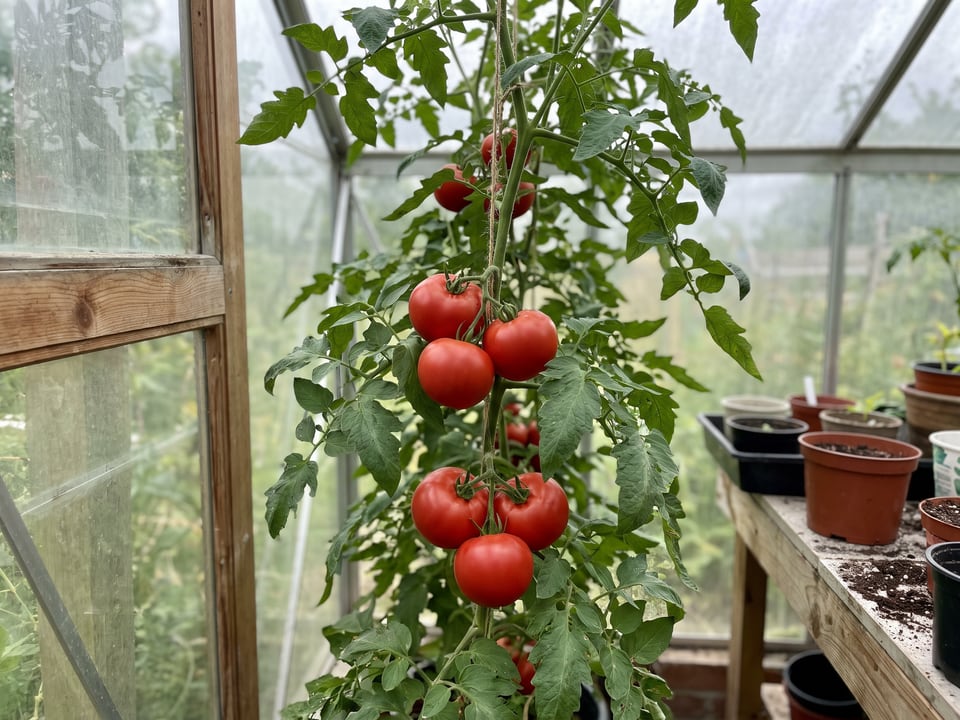
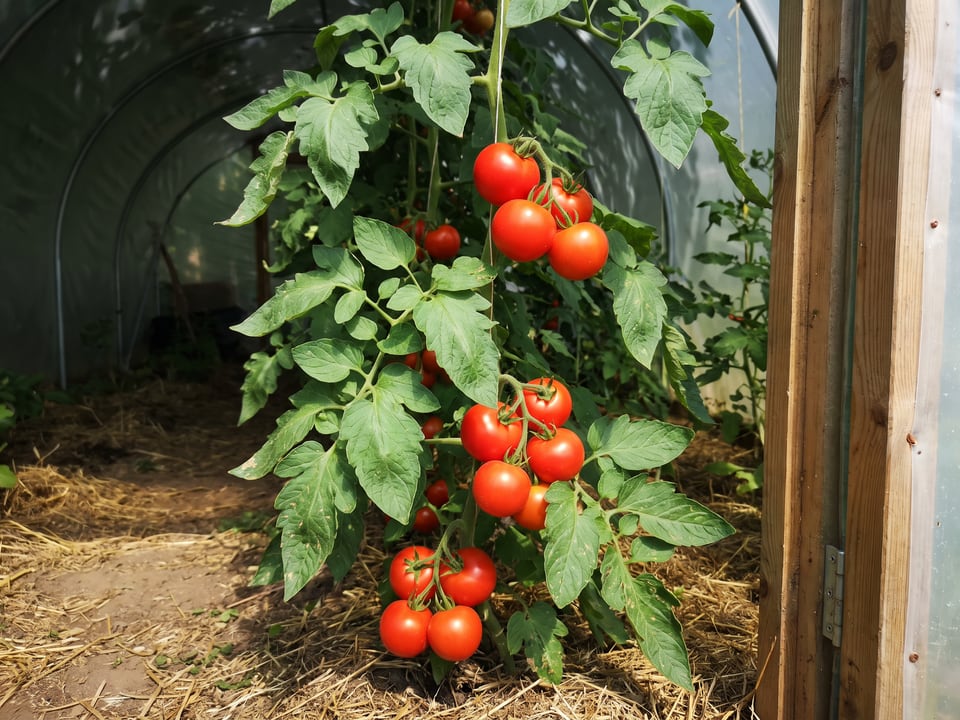
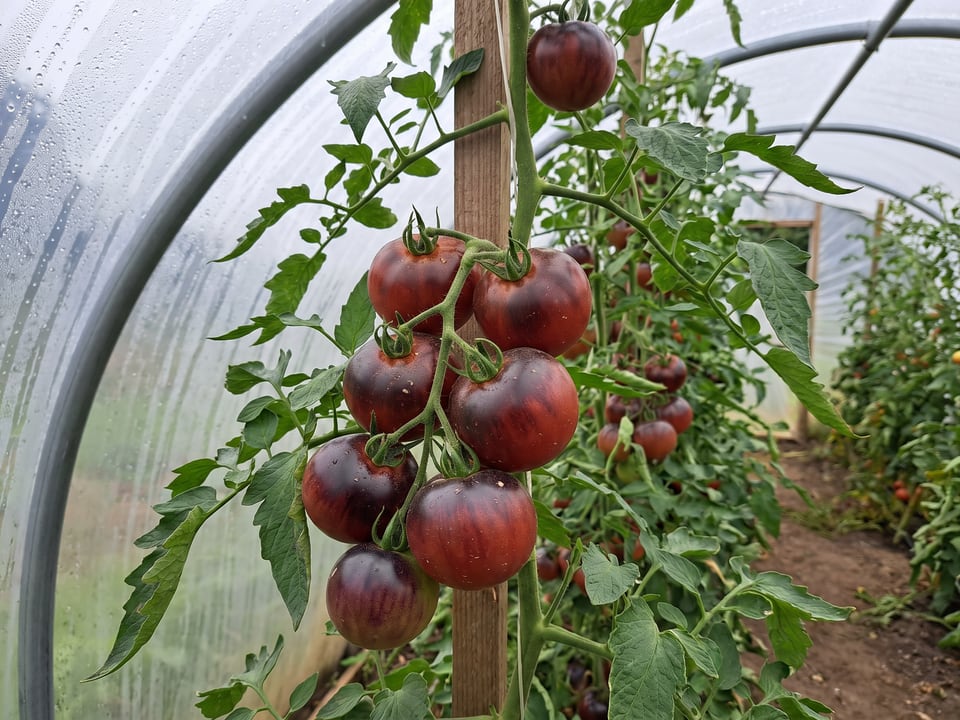
Stupice tomatoes ripening on the vine under cover -
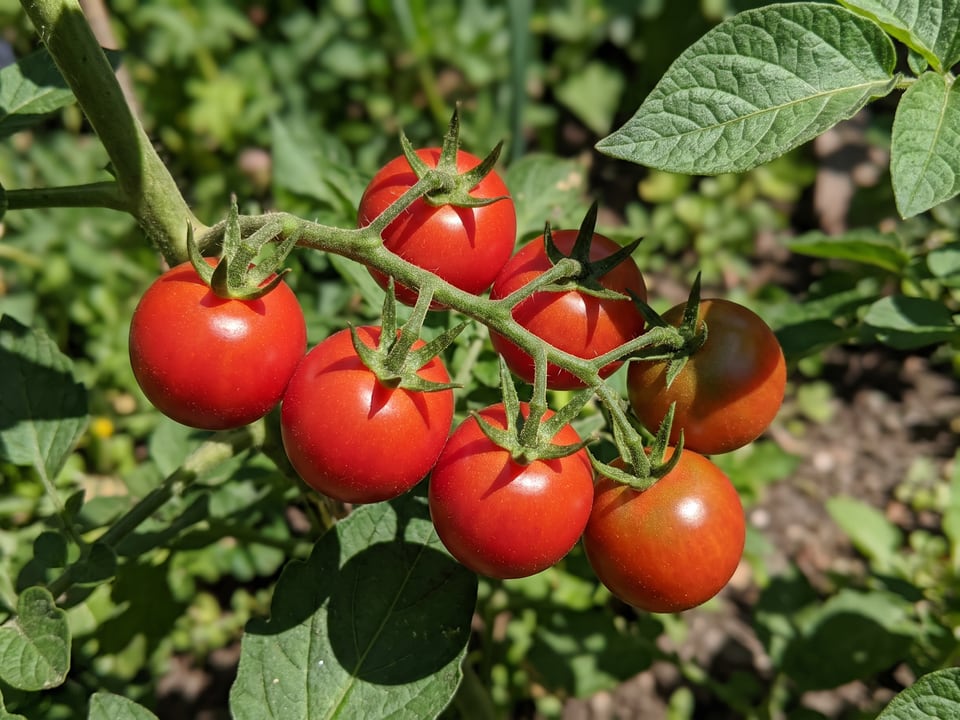
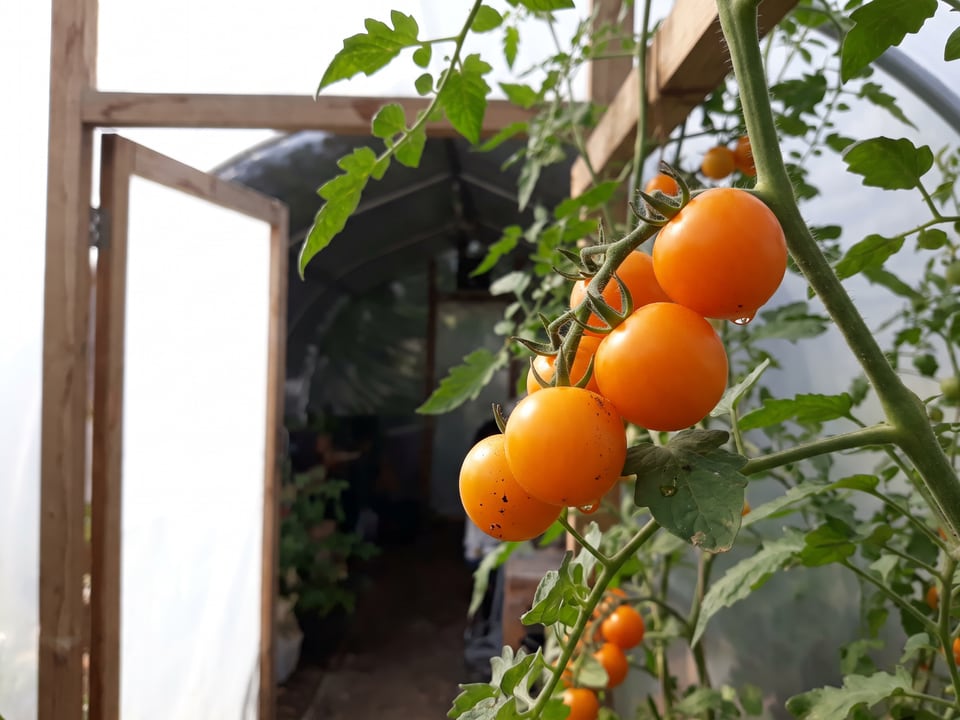
A truss of Stupice tomatoes -
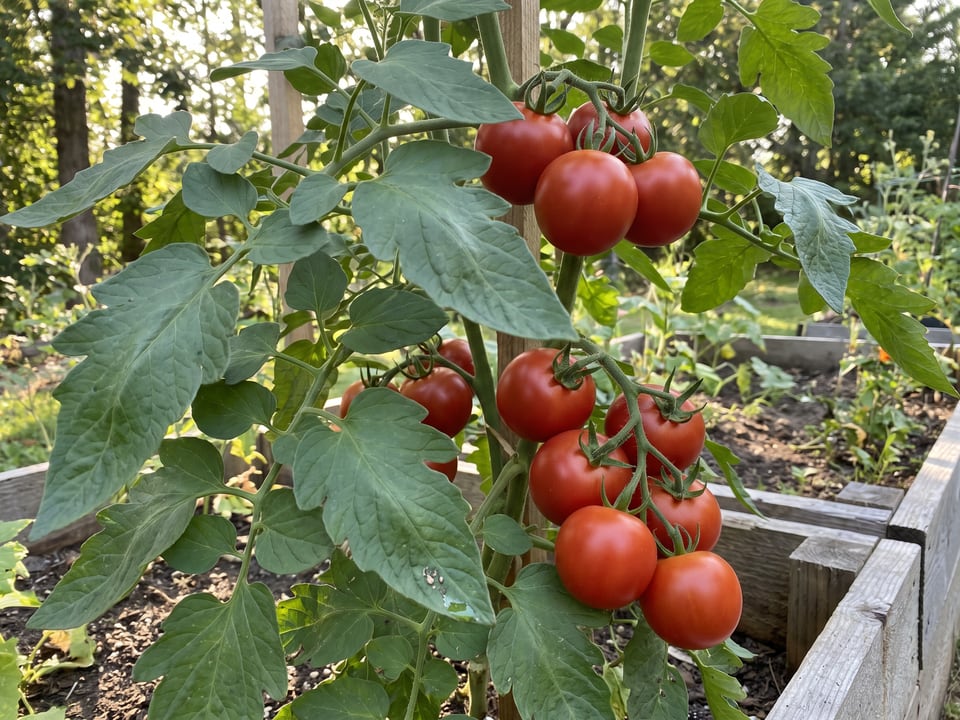
Stupice tomato plant in a garden bed with ripe fruit on the vine -
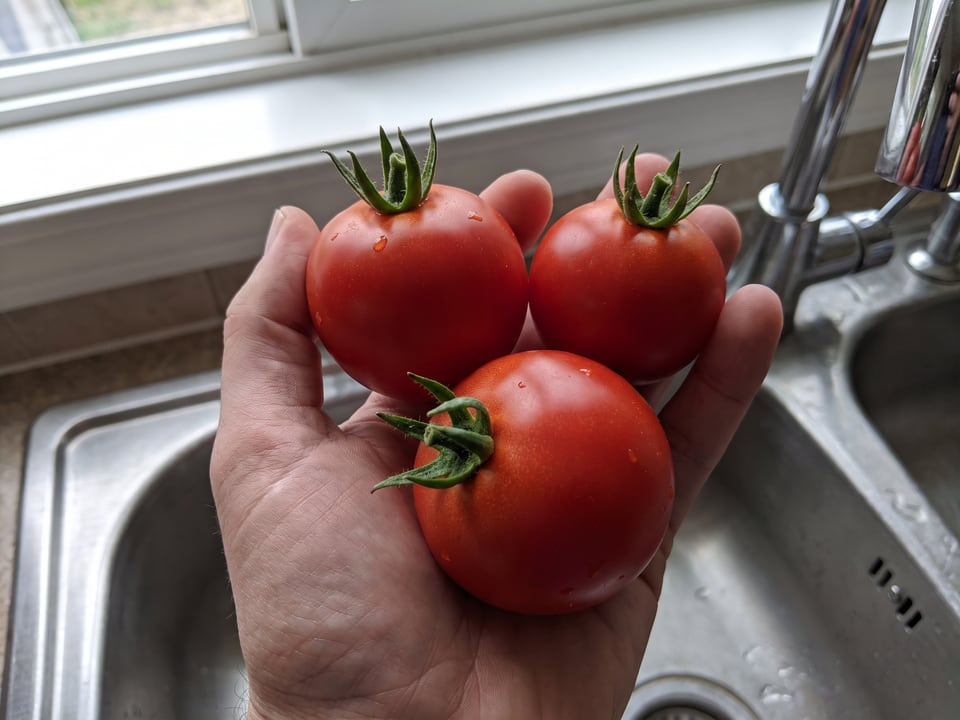
A ripe Stupice tomato held in a gardener's hand -
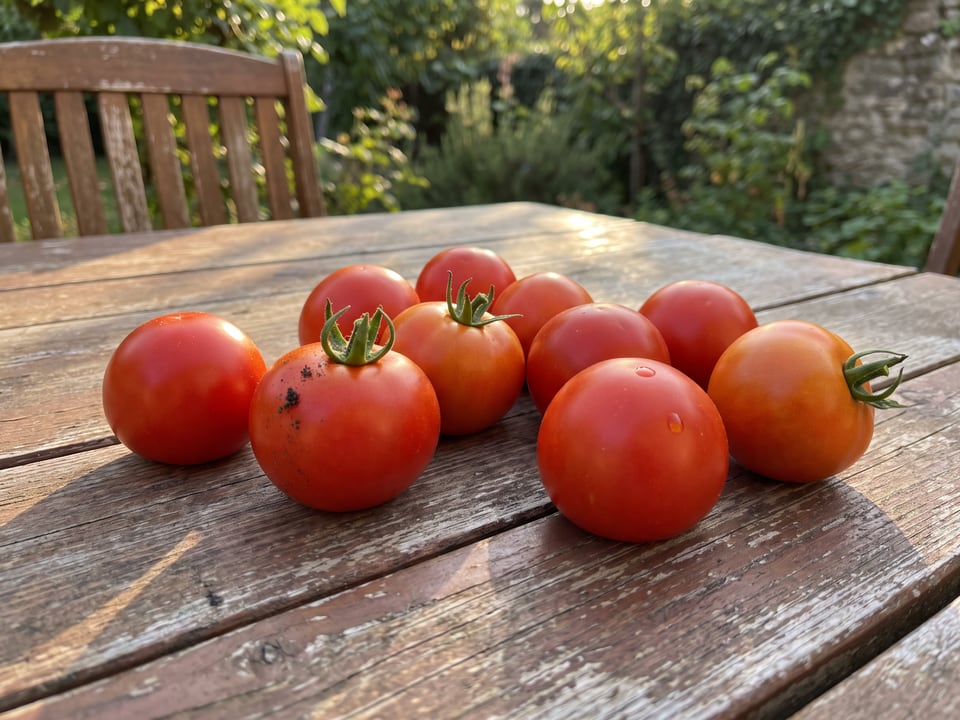
Freshly picked Stupice tomatoes -
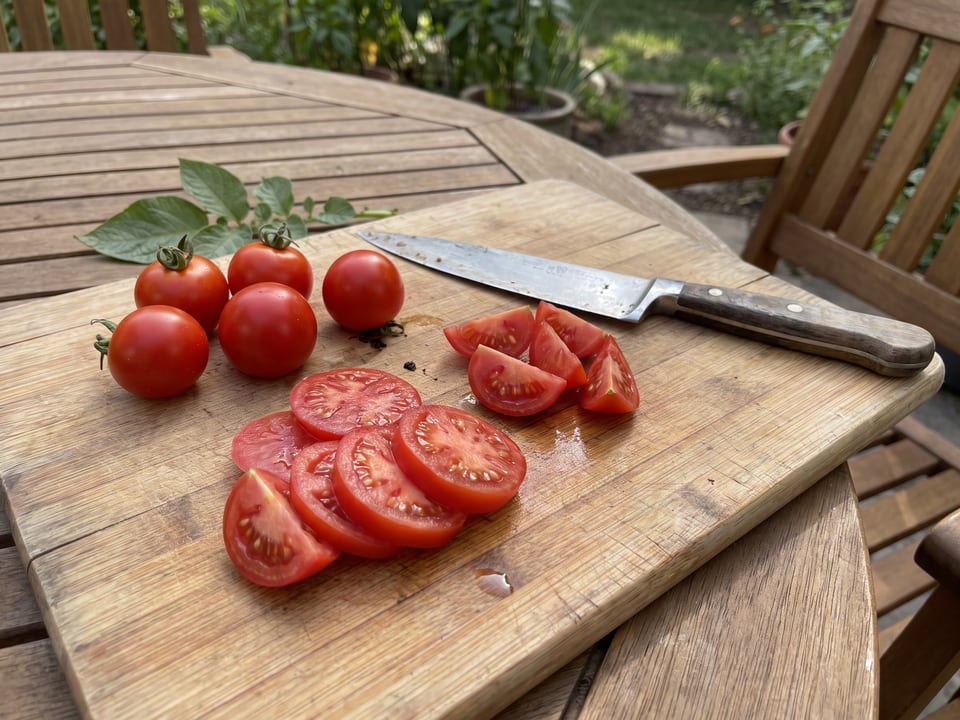
Stupice tomato sliced in the kitchen
Questions
How long does Stupice take to mature?
Stupice is ready in about 55 days from transplant.
Does Stupice need staking?
Stupice is an indeterminate plant that keeps growing and setting fruit until frost; it needs a stake, cage, or trellis for the whole season. Expect a plant of 3–4 ft (90–120 cm).
Can Stupice be grown in a container?
Yes — Stupice grows well in a container of at least 30 L (7 gal).
Is Stupice resistant to disease?
No disease resistance is documented for Stupice.
See also
Other cocktail varieties people put next to this one.
Grows like this one
Indeterminate, early, full sun. Same support, same calendar.