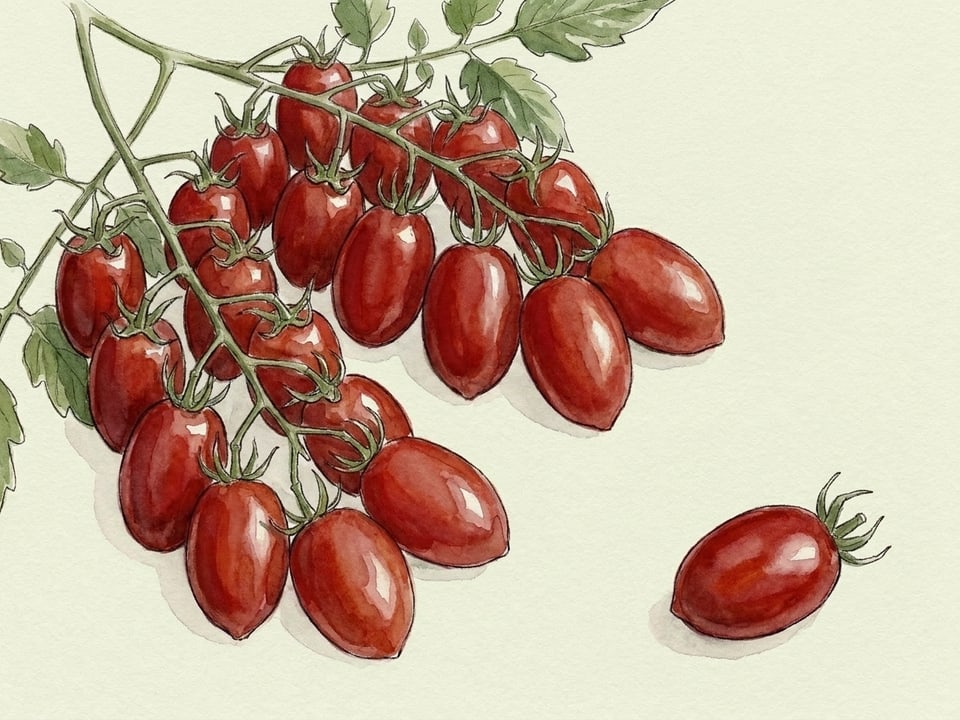
Grape tomato varieties
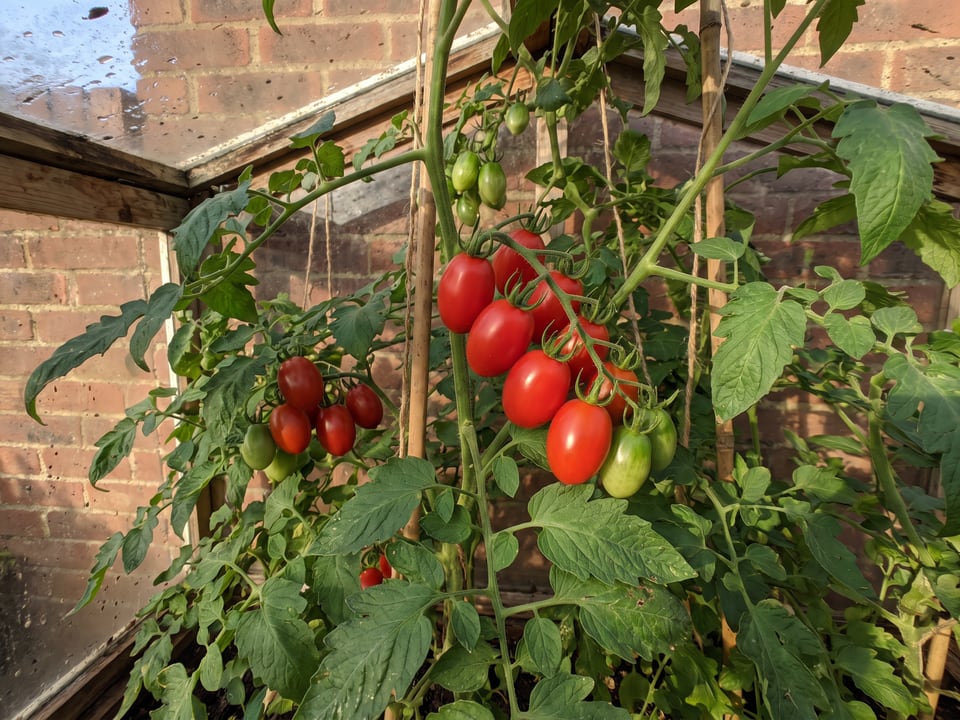
Grape tomatoes are the oblong small-fruited type: denser flesh, thicker skin and less juice than a cherry of the same size, which is why they hold their shape in a lunchbox and split less on the vine. The six varieties here run from 60 to 75 days from transplant at 15 to 60 g, and all six are indeterminate, so this is a staked crop that produces from midsummer until frost. Two of them, Atomic Grape and Lucky Tiger, are striped rather than plain, which is unusual for a type most people picture as uniformly red. The table below carries days, weight and flavour figures for all six, and the cherry page is one click away if you are still deciding between the two shapes.
- Varieties
- 6
- Days to harvest (from transplant)
- 60–75
- Fruit weight
- 1–2 oz (15–60 g)
- Growth habit
-
6 Indeterminate
All 6 grape tomato varieties
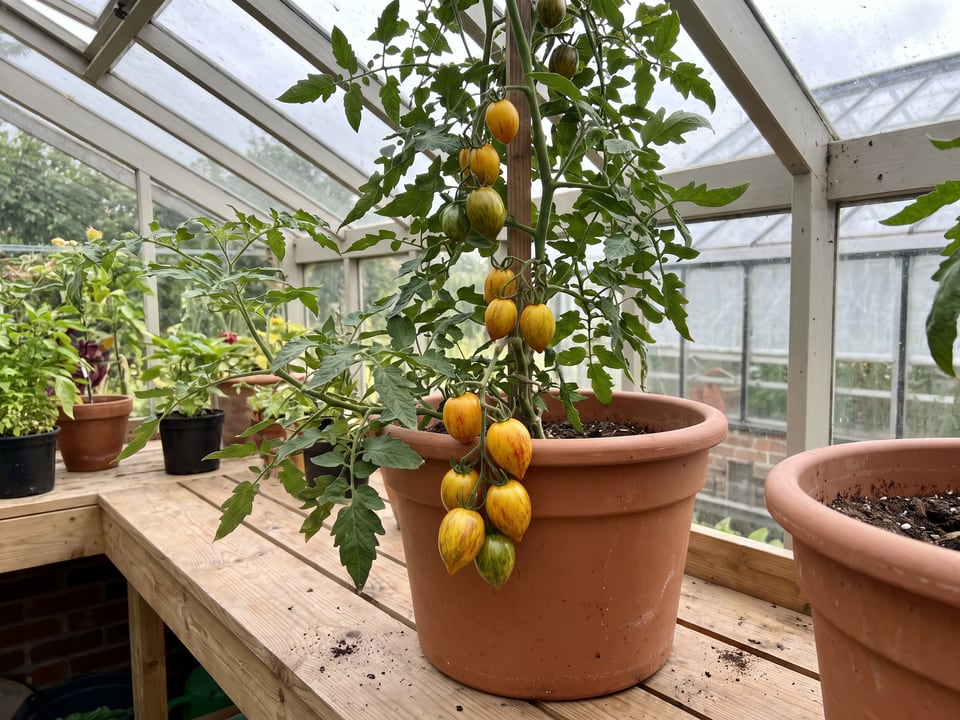
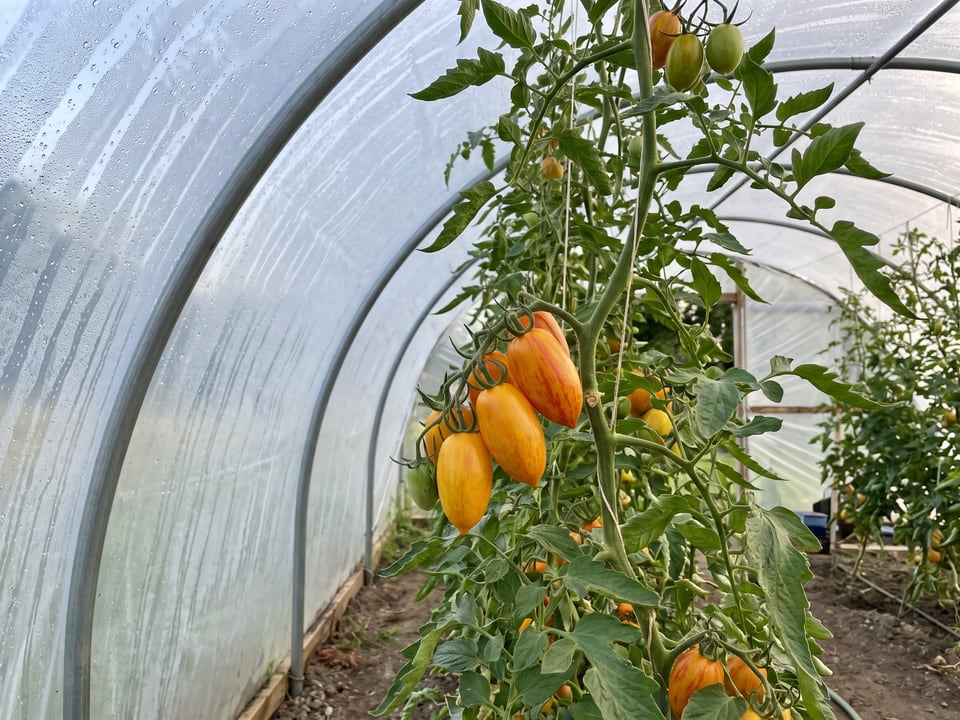
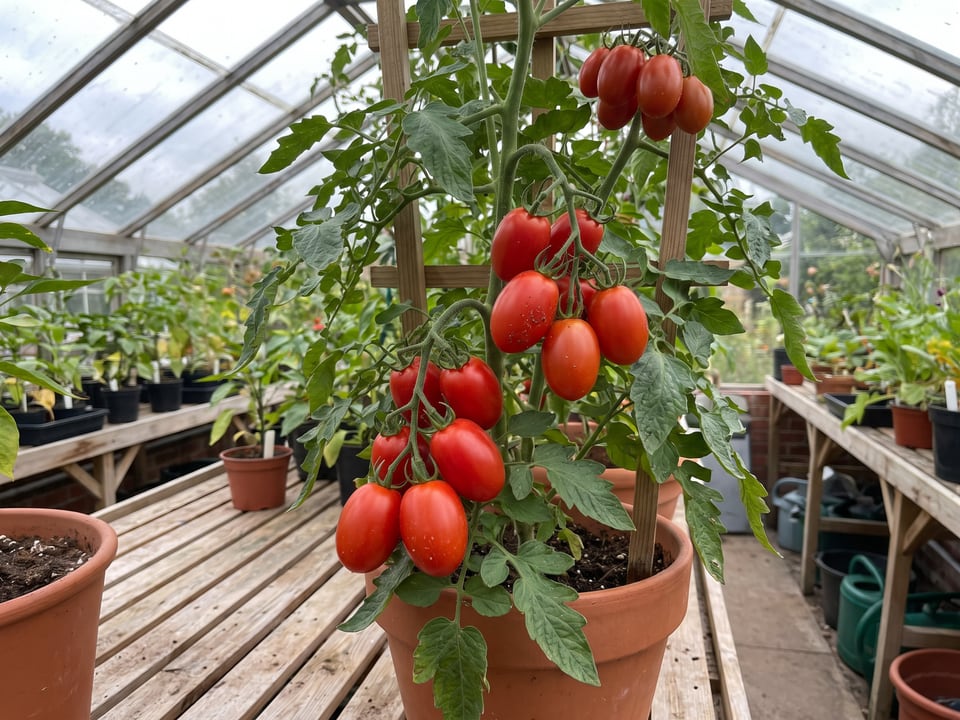
How to choose
-
The grape-versus-cherry decision is mostly about what happens after picking. Grape types have firmer walls and less gel, so they travel in a bag without bursting, roast without collapsing, and keep several days longer on the counter. Cherry types are juicier eaten straight off the plant. Neither wins; they fail differently.
-
All six here are indeterminate, which sets the growing requirement before you pick a variety. Expect a plant that keeps climbing all season and needs a stake or string from the start. There is no determinate grape tomato in this catalogue, so if you need a compact plant, the choice is a cherry or a dwarf rather than a grape.
-
Days to maturity here span 60 to 75, which is narrow, so season length rarely decides this page. Juliet and Sweet Hearts at 60 days are the quickest to first fruit; the 75-day varieties reach it about two weeks later and then run just as long. In practice this is a choice about appearance and use, not about the calendar.
-
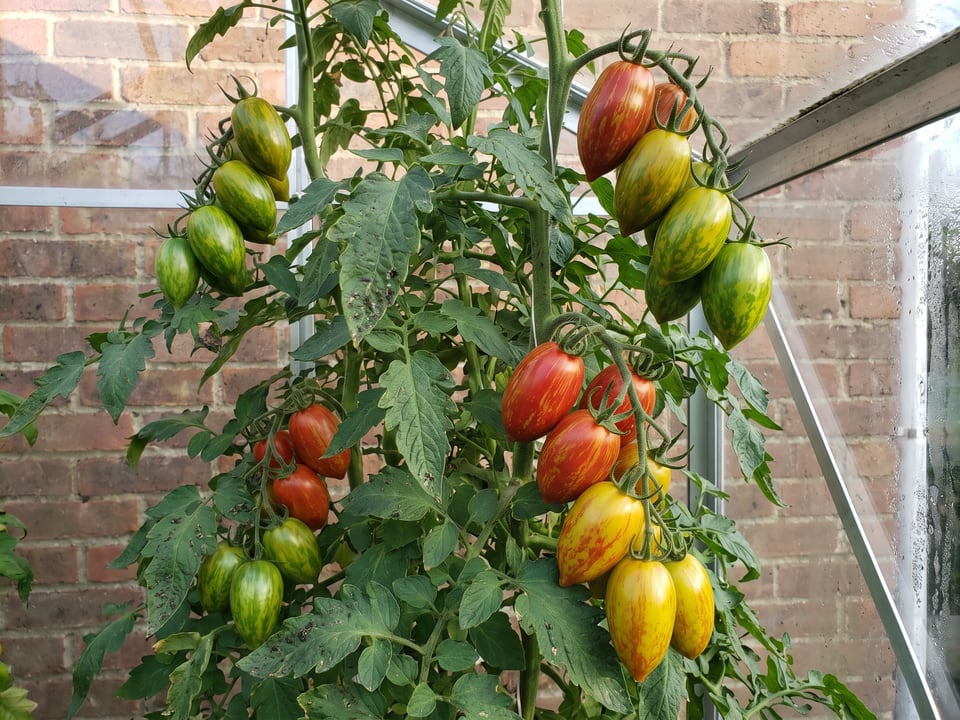
If you want the striped ones, know what you are choosing. Atomic Grape and Lucky Tiger carry green-and-red or purple striping that changes as the fruit ripens, which makes the ripeness judgement harder than with a plain red variety. They are worth it for the look on a plate; they are a poor first choice if you are still learning when a tomato on your plant is ready.
Compare side by side
| Color | Uses | |||||
|---|---|---|---|---|---|---|
| Atomic Grape | 75 (estimated) | 1–2 oz (30–50 g) (estimated) | Indeterminate | 4 (estimated) / 3 (estimated) / 4 (estimated) | Fresh & salads, Snacking, Roasting | |
| Blush | 70 (estimated) | ~1 oz (20–35 g) (estimated) | Indeterminate | 5 (estimated) / 2 (estimated) / 4 (estimated) | Fresh & salads, Snacking, Roasting | |
| Five Star Grape | 62 | ~1 oz (15–25 g) (estimated) | Indeterminate | 4 (estimated) / 3 (estimated) / 3 (estimated) | Fresh & salads, Snacking, Roasting | |
| Juliet | 60 | 1–2 oz (28–57 g) | Indeterminate | 4 (estimated) / 3 (estimated) / 3 (estimated) | Snacking, Fresh & salads, Roasting | |
| Lucky Tiger | 75 (estimated) | 1–2 oz (40–60 g) (estimated) | Indeterminate | 4 (estimated) / 3 (estimated) / 4 (estimated) | Fresh & salads, Snacking, Roasting | |
| Sweet Hearts | 60 (estimated) | ~1 oz (15–25 g) (estimated) | Indeterminate | 5 (estimated) / 2 (estimated) / 3 (estimated) | Fresh & salads, Snacking, Roasting |
Values marked like this (estimated) are model estimates, not confirmed from a source.
Frequently asked questions
What is the difference between grape and cherry tomatoes?
Shape and texture. Grape tomatoes are oblong with denser flesh, thicker skin and less juice; cherry tomatoes are round and juicier. In this catalogue the grape varieties also average slightly heavier per fruit than the cherries, despite looking smaller, because the flesh is more solid.
Are grape tomatoes sweeter than cherry tomatoes?
The type is a poor predictor either way, and this is one of the places where a catalogue of structured data is more useful than a rule of thumb. Sweetness and acidity are recorded per variety in the table on this page and on the cherry page, so compare the two lists directly rather than choosing by shape. What the type does reliably predict is texture: grape varieties have denser flesh and less juice.
Do grape tomatoes need staking?
Yes. All six varieties here are indeterminate and will grow past two metres in a good season while carrying heavy trusses of small fruit. A stake or string from planting time, not a cage added later.
Why do grape tomatoes crack less than cherries?
Thicker skin and lower water content in the flesh. Cracking happens when the inside swells faster than the skin can stretch, usually after heavy rain following a dry spell. A denser, thicker-skinned fruit absorbs that change with less splitting, which is also why grape types keep longer once picked.
How long do grape tomatoes take to ripen?
Between 60 and 75 days from transplant across the six varieties here, with Juliet and Sweet Hearts at the early end. Every day figure on this site is counted from transplant rather than from sowing.