Green tomato varieties
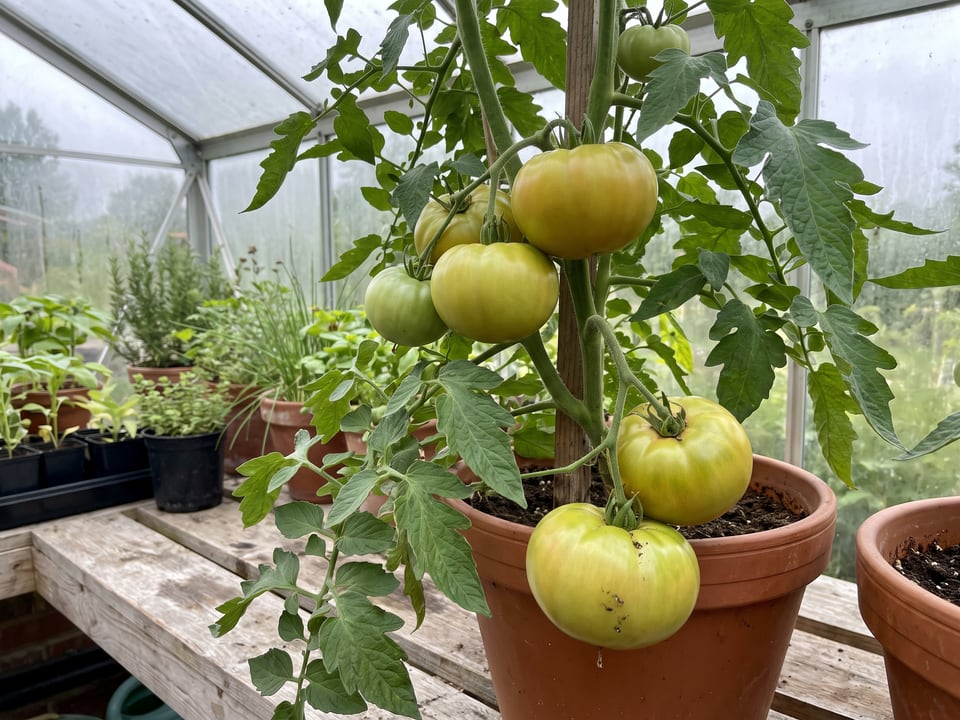
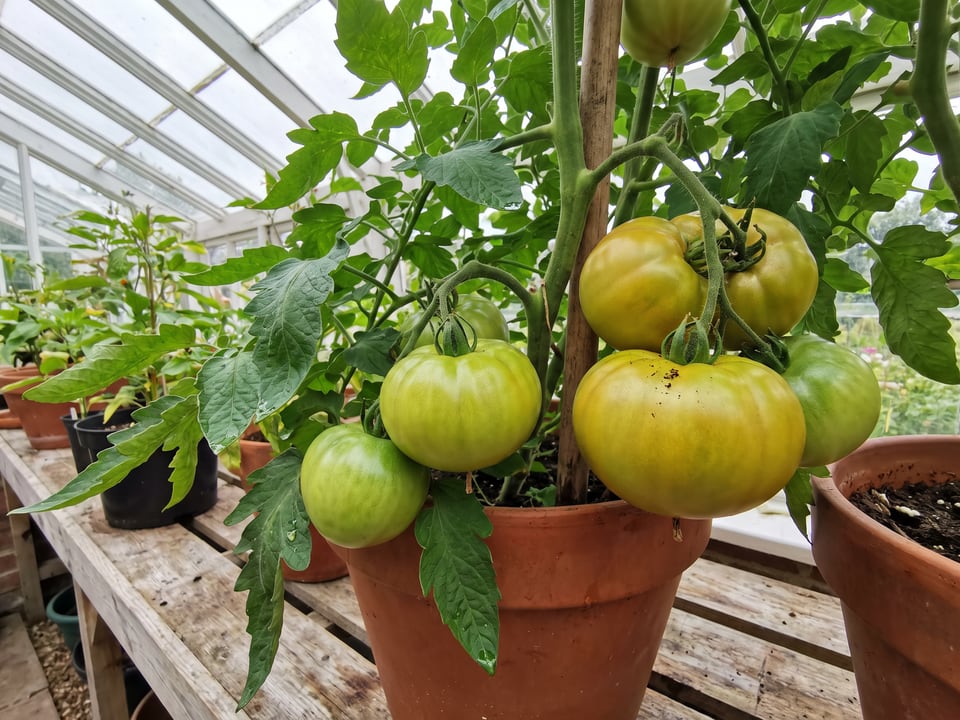
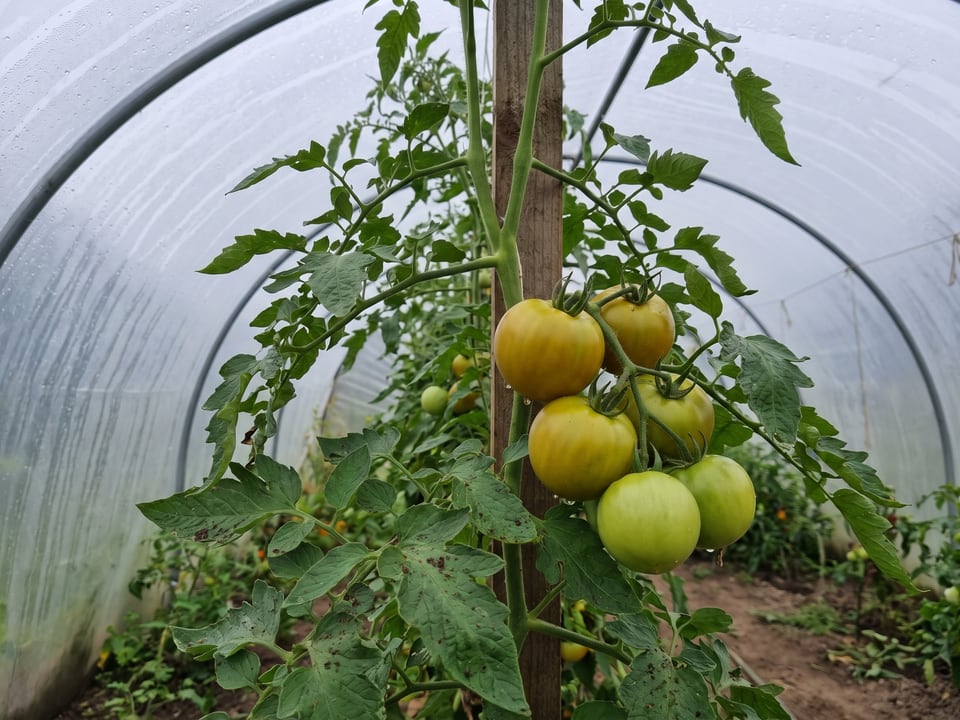
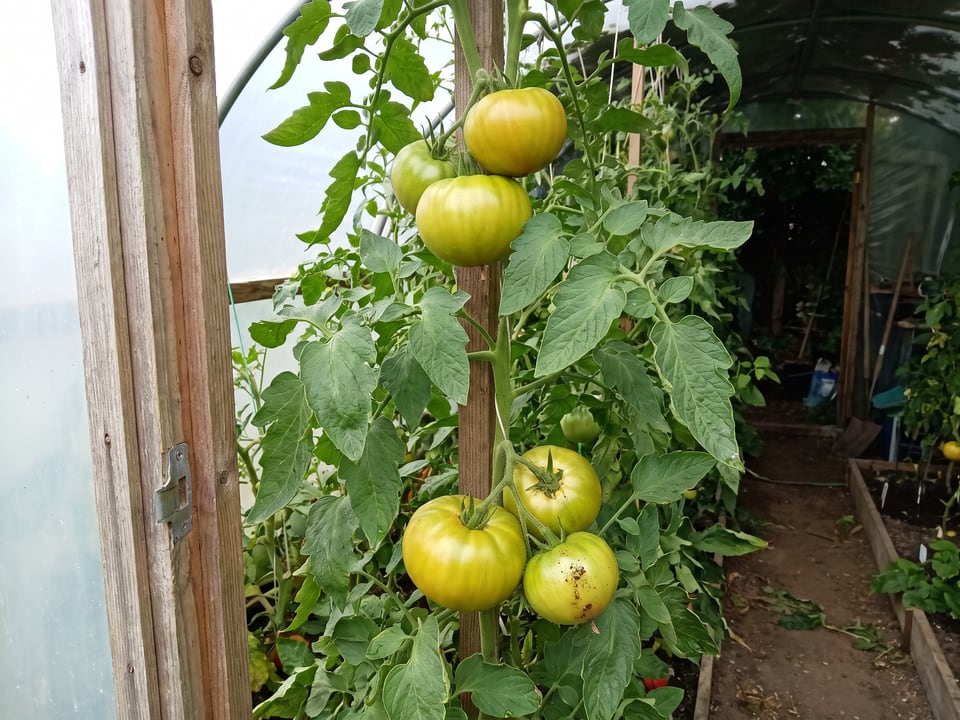
There are two completely different things called a green tomato, and confusing them is the most common mistake in this part of the catalogue. One is an unripe red tomato, picked hard and green for frying, pickling or chutney. The other is a variety that is green when fully ripe, sweet, soft and ready to eat, and that is what this page lists. The six here run 70 to 85 days from transplant and 15 to 570 g, from Green Doctors as a cherry to Aunt Ruby's German Green and Green Giant as full beefsteaks. If you arrived looking for a recipe, you want the first kind and any unripe red tomato will do. If you want a tomato that tastes ripe while looking unripe, read on.
- Varieties
- 6
- Days to harvest (from transplant)
- 70–85
- Fruit weight
- 1–20 oz (15–570 g)
- Growth habit
-
6 Indeterminate
All 6 green tomato varieties
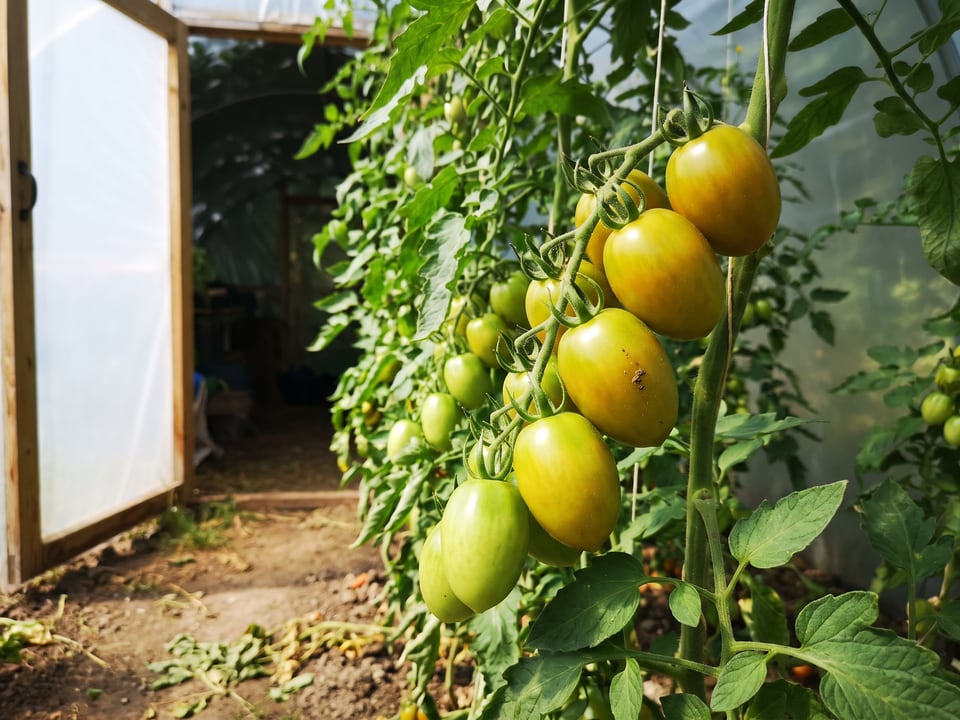
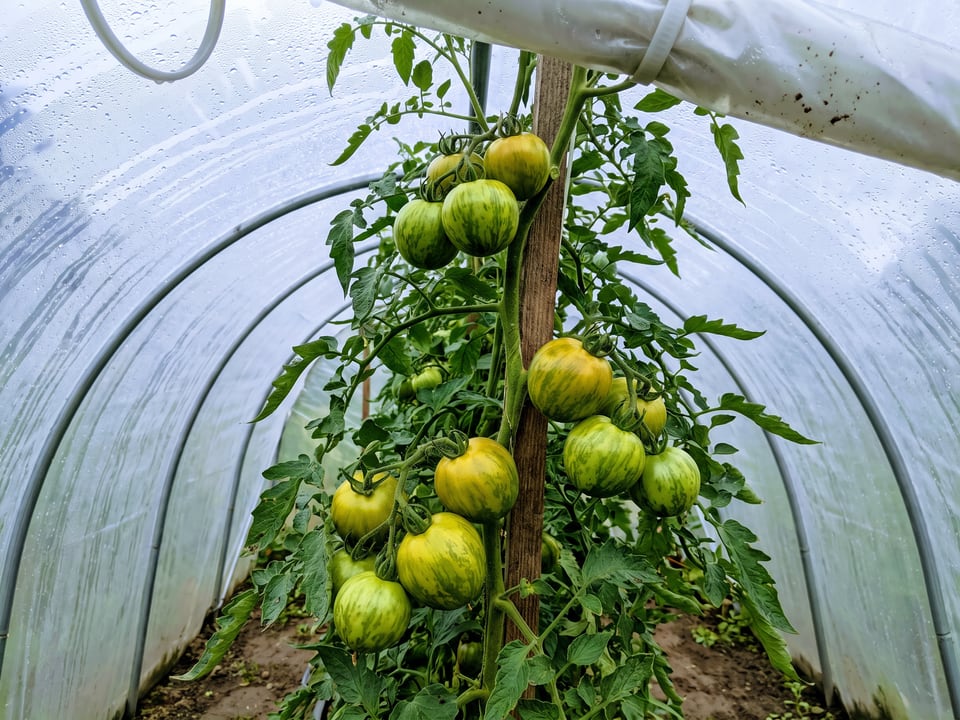
How to choose
-
Learn the ripeness cue first, because this is the hardest colour group to judge and the consequence of getting it wrong is eating an unripe tomato and concluding the variety is bad. A ripe green tomato yields to gentle pressure, often develops a faint amber or yellow blush at the blossom end, and releases from the stem without tugging. Colour alone will never tell you.
-
Green Zebra is the easiest entry point precisely because it solves this problem. Its stripes shift from dark green to amber-gold as it ripens, giving you a visual signal the other five do not have. If this is your first green tomato, start there and learn the feel on a variety that also shows you.
-
Size splits the group hard. Green Doctors and Green Grape at 15 to 25 g are salad and snacking fruit; Aunt Ruby's German Green and Green Giant at 340 to 570 g are beefsteaks needing 85 days. Green Grape is also the only determinate variety here, which makes it the one option if you want green fruit without a full-season trellis.
-
Serve them where the colour is the point. A ripe green tomato on a plate reads as unripe to anyone who has not met one, so they work best sliced alongside red and dark varieties where the contrast explains itself, rather than alone where they just look wrong.
Compare side by side
| Color | Uses | |||||
|---|---|---|---|---|---|---|
| Aunt Ruby's German Green | 85 (estimated) | 12–20 oz (340–570 g) (estimated) | Indeterminate | 4 (estimated) / 3 (estimated) / 5 (estimated) | Fresh & salads, Slicing | |
| Cherokee Green | 80 (estimated) | 10–16 oz (280–450 g) (estimated) | Indeterminate | 4 (estimated) / 3 (estimated) / 5 (estimated) | Fresh & salads, Slicing | |
| Green Doctors | 75 (estimated) | ~1 oz (15–25 g) (estimated) | Indeterminate | 5 (estimated) / 3 (estimated) / 4 (estimated) | Fresh & salads, Snacking | |
| Green Giant | 85 (estimated) | 12–20 oz (340–570 g) (estimated) | Indeterminate | 4 (estimated) / 3 (estimated) / 4 (estimated) | Fresh & salads, Slicing | |
| Green Grape | 70 (estimated) | ~1 oz (15–25 g) (estimated) | Indeterminate | 4 (estimated) / 3 (estimated) / 4 (estimated) | Fresh & salads, Snacking | |
| Green Zebra | 78 (estimated) | 2–5 oz (60–140 g) (estimated) | Indeterminate | 2 (estimated) / 4 (estimated) / 4 (estimated) | Fresh & salads, Slicing |
Values marked like this (estimated) are model estimates, not confirmed from a source.
Frequently asked questions
What is the difference between a green tomato and a green-when-ripe variety?
A green tomato in the culinary sense is any unripe tomato, usually a red variety picked early for frying or pickling because it is firm and tart. A green-when-ripe variety, like the six on this page, is fully mature while still green: soft, sweet and ready to eat raw.
Can I use these varieties for fried green tomatoes?
You can, but there is no advantage and a real disadvantage: you cannot tell when they are underripe, which is exactly what that recipe requires. For frying or pickling, pick any red variety while it is still hard and green. These varieties are for eating ripe.
How do I know when a green tomato variety is ripe?
By feel and by a faint colour shift rather than by a colour change. The fruit softens noticeably, often develops an amber or yellow tinge at the blossom end, and comes away from the stem easily. Green Zebra additionally shifts its stripes from dark green to gold.
Are green tomatoes safe to eat?
Ripe green-when-ripe varieties are ordinary ripe tomatoes and entirely safe. Unripe tomatoes of any variety contain more solanine and tomatine, which is why traditional recipes cook them rather than serving them raw, but the quantities in normal culinary use are not a concern.
Which green tomato is best for a first try?
Green Zebra, because its stripes change colour at maturity and take the guesswork out of picking. At 60 to 90 g it is also a manageable size for learning what a ripe green tomato feels like.