Determinate tomato varieties
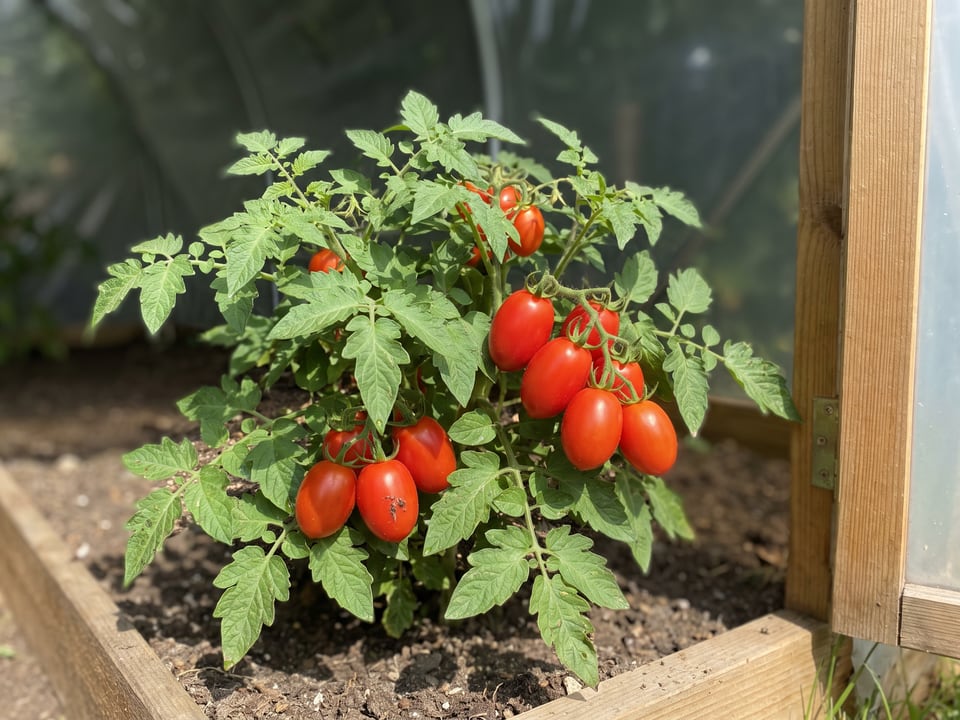
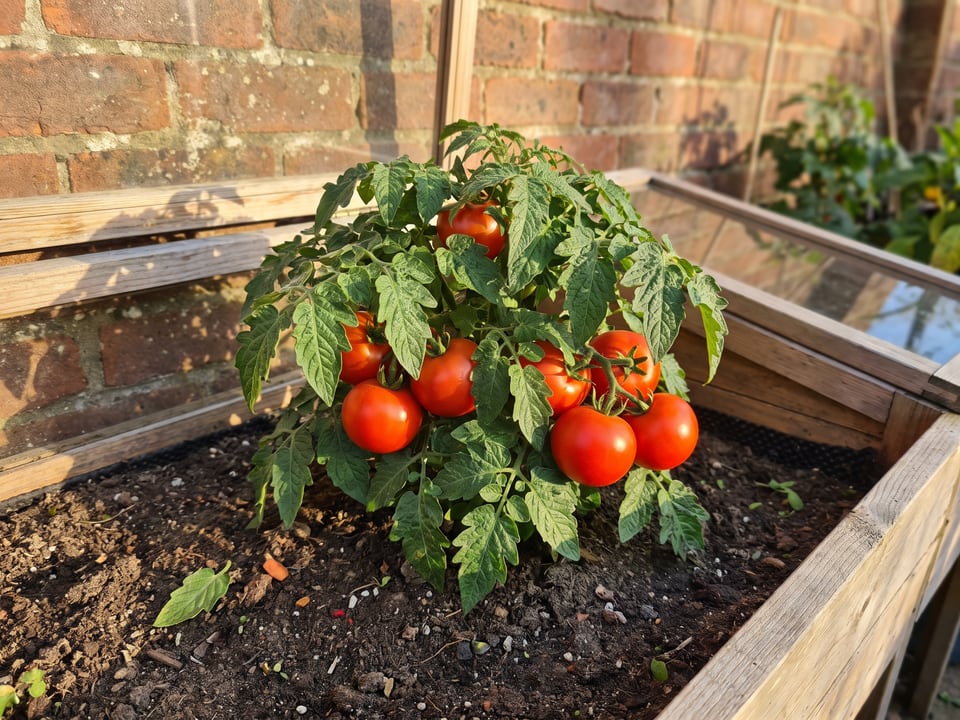
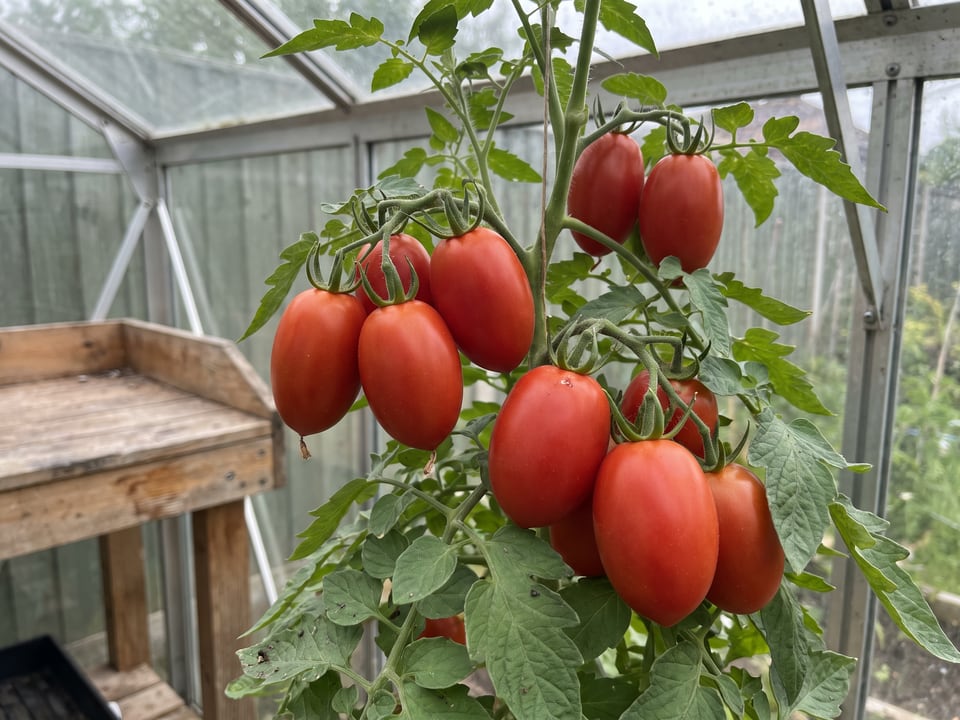
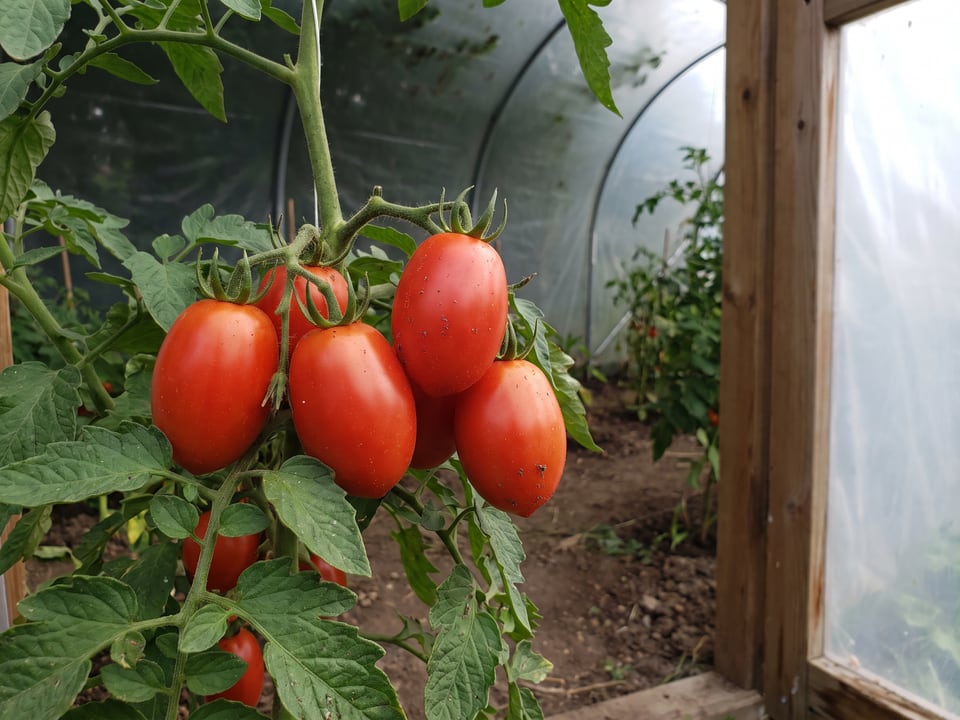
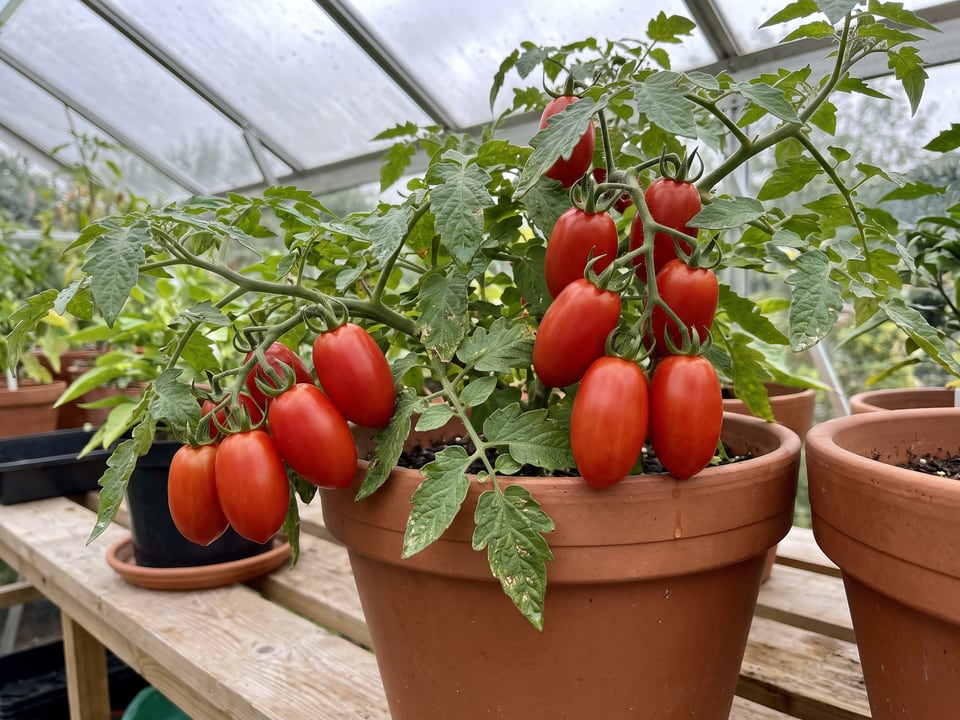
A determinate tomato has a built-in stopping point. Each stem ends in a flower cluster instead of continuing to grow, so the plant reaches a set size, sets most of its fruit in a short window, ripens it over two or three weeks, and then declines. That behaviour is a feature, not a limitation, and it explains what this small list looks like: five of the seven determinate varieties here are paste or plum tomatoes, including Roma itself. A harvest that arrives all at once is exactly what you want when the tomatoes are going into jars. Days to maturity cluster tightly, 70 to 78 from transplant against the 57 to 90 spread of indeterminate varieties, and fruit stays modest, 1 to 8 oz (15 to 230 g). No variety in this catalogue is both determinate and large-fruited.
- Varieties
- 11
- Days to harvest (from transplant)
- 52–78
- Fruit weight
- 1–11 oz (15–300 g)
- Growth habit
-
11 Determinate
All 11 determinate tomato varieties
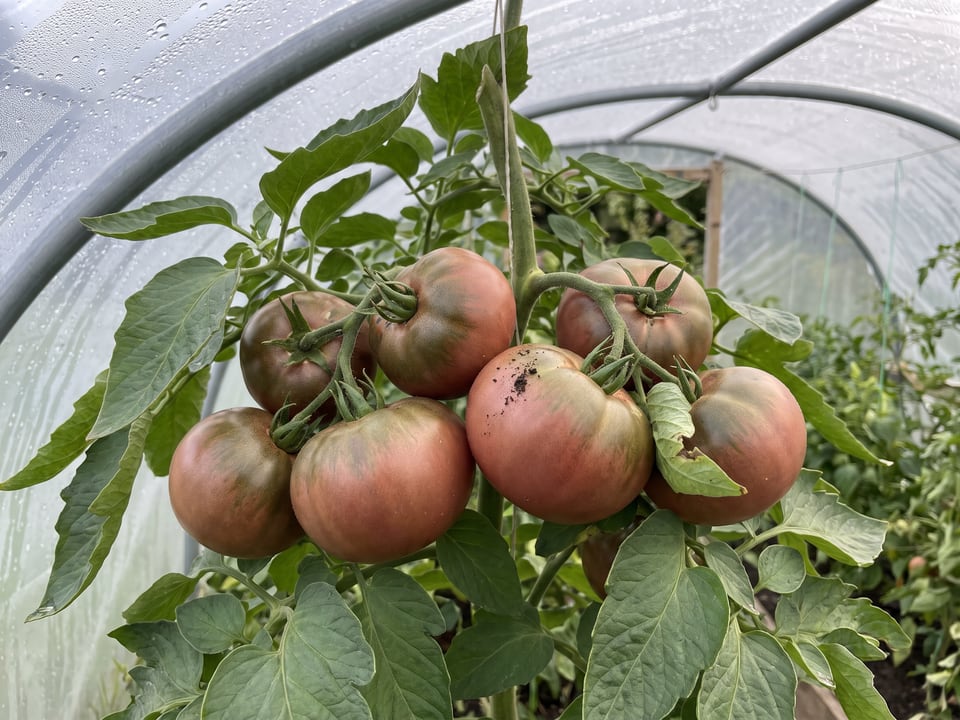
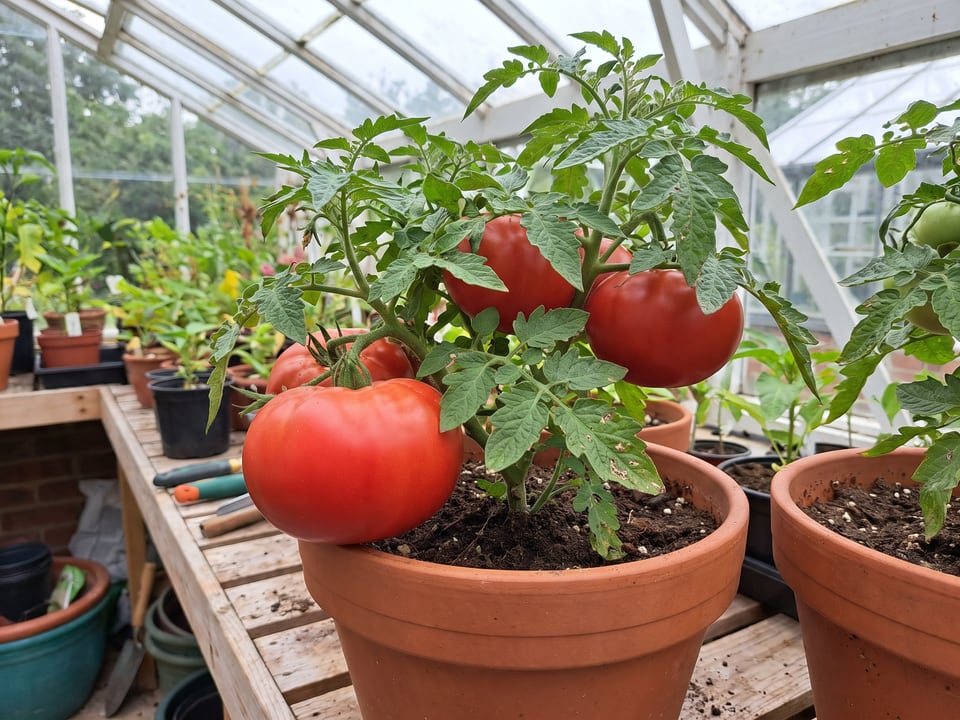
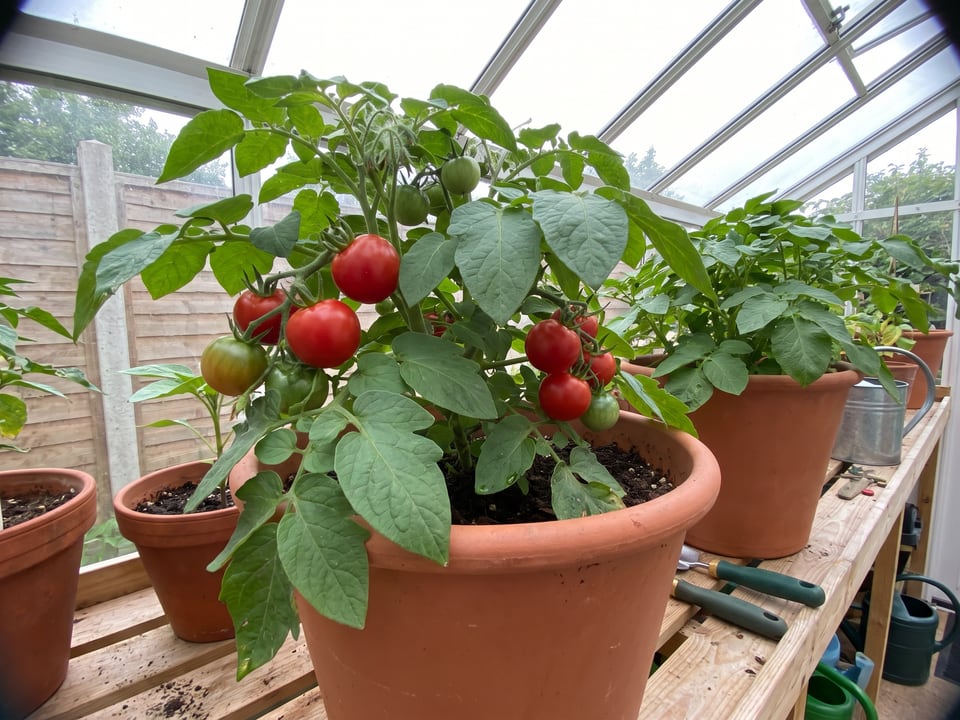
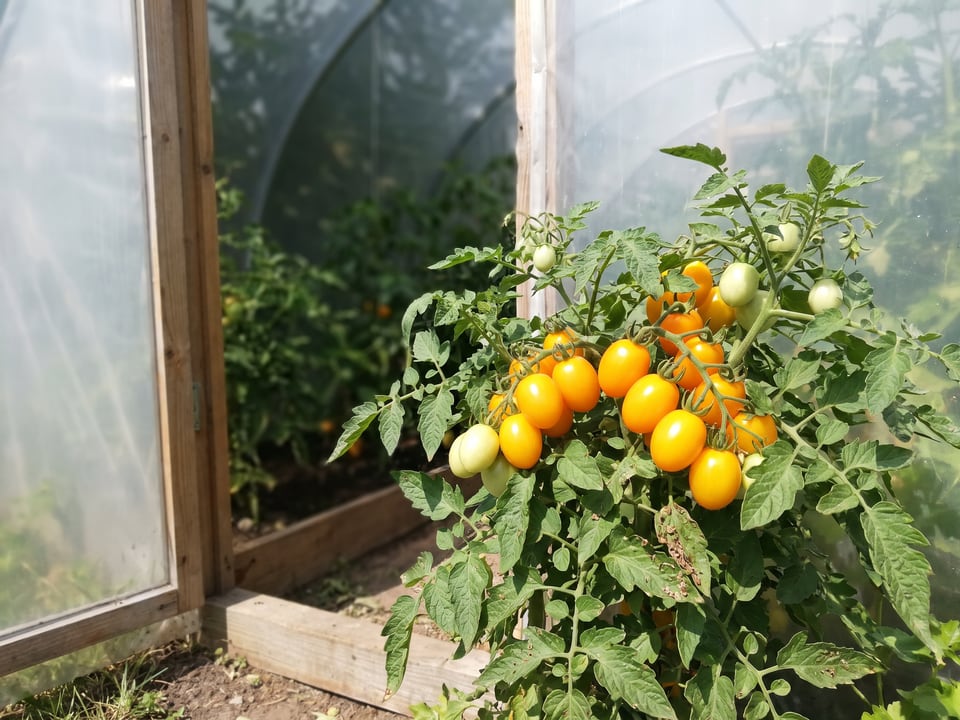
How to choose
-
Choose determinate when the harvest date matters more than the harvest length. Canning, sauce-making and drying all work better with 20 kilograms of tomatoes in a fortnight than with a handful every day for three months. If you have ever tried to make passata from an indeterminate plant, you already know the problem: the fruit never arrives fast enough at once.
-
Read the shape of this list as the answer to a question. Five of the seven determinate varieties here share a single fruit type: Martino's Roma, Plum Regal, Principe Borghese, Rio Grande and Roma are all plum tomatoes. Six of the seven are red. The two exceptions are Rutgers, a slicer, and Green Grape, the only cherry and the only non-red variety in the group. That concentration is not a quirk of this catalogue: determinate growth was selected for processing crops, where dense flesh, low seed content and a whole harvest arriving in one pass are the point.
-
Support them lightly, but do support them. A determinate plant stays around a metre and does not need weekly tying, but it carries its whole crop at once, and a plant heavy with simultaneous fruit will lean or snap without a short stake or a low cage. Do not prune them: removing side shoots removes flower clusters, and since the plant cannot make more, you are cutting into the harvest directly.
-
Plan for the plant finishing. After the crop comes off, a determinate tomato is largely done and will not refill the space. Gardeners who want both a preserving crop and fresh fruit into autumn usually grow a block of determinates alongside a few indeterminate plants rather than choosing between them.
Compare side by side
| Color | Uses | |||||
|---|---|---|---|---|---|---|
| Black Sea Man | 75 | 4–10 oz (110–280 g) | Determinate | 3 (estimated) / 2 (estimated) / 4 (estimated) | Slicing, Fresh & salads | |
| Celebrity | 72 | 7–11 oz (200–300 g) | Determinate | 3 (estimated) / 3 (estimated) / 3 (estimated) | Slicing, Fresh & salads, Canning | |
| Glacier | 55 | 1–3 oz (40–80 g) | Determinate | 4 (estimated) / 3 (estimated) / 3 (estimated) | Fresh & salads, Snacking | |
| Gold Nugget | 58 | ~1 oz (15–30 g) | Determinate | 4 (estimated) / 3 (estimated) / 3 (estimated) | Fresh & salads, Snacking | |
| Martino's Roma | 75 (estimated) | 2–3 oz (50–90 g) (estimated) | Determinate | 3 (estimated) / 3 (estimated) / 4 (estimated) | Sauce & paste, Canning, Drying, Roasting | |
| Nova | 70 | 1–3 oz (40–80 g) | Determinate | 2 (estimated) / 3 (estimated) / 3 (estimated) | Sauce & paste, Canning | |
| Oregon Spring | 58 | 5–8 oz (140–220 g) | Determinate | 3 (estimated) / 3 (estimated) / 3 (estimated) | Fresh & salads, Slicing | |
| Plum Regal | 75 | 3–5 oz (90–140 g) (estimated) | Determinate | 2 (estimated) / 3 (estimated) / 3 (estimated) | Sauce & paste, Canning, Drying, Roasting | |
| Rio Grande | 78 (estimated) | 3–5 oz (90–140 g) (estimated) | Determinate | 2 (estimated) / 3 (estimated) / 3 (estimated) | Sauce & paste, Canning, Drying, Roasting | |
| Roma | 76 (estimated) | 2–3 oz (60–90 g) (estimated) | Determinate | 2 (estimated) / 3 (estimated) / 3 (estimated) | Sauce & paste, Canning, Drying, Roasting | |
| Siletz | 52 | 5–8 oz (140–220 g) | Determinate | 3 (estimated) / 3 (estimated) / 3 (estimated) | Fresh & salads, Slicing |
Values marked like this (estimated) are model estimates, not confirmed from a source.
Frequently asked questions
What does determinate mean for a tomato?
That each stem terminates in a flower cluster, so the plant grows to a fixed size, flowers over a short period, and ripens most of its fruit within two to three weeks. It is sometimes called bush habit for that reason.
Do determinate tomatoes need staking?
Lightly. They stay compact enough to skip the tall stakes and weekly tying that indeterminates require, but they carry their entire crop simultaneously, and that weight will tip an unsupported plant. A short stake or a low cage is enough.
Should determinate tomatoes be pruned?
No. Pruning side shoots on a determinate plant removes flower clusters it cannot replace, which reduces the harvest directly. This is the opposite of the advice for indeterminate varieties, and it is the most common way the two get confused.
Why are most determinate tomatoes paste types?
Because concentrated ripening and processing go together. Five of the seven determinate varieties here are paste or plum tomatoes: dense flesh, low seed content, and a whole crop arriving in one window is precisely what sauce and canning need. Determinate growth was selected for that use, both commercially and in home gardens.
Are determinate tomatoes good for containers?
Better than indeterminates, yes, since they stop at a manageable size. But determinate and container-suitable are not synonyms. The container-friendly page filters on documented suitability rather than on habit alone, and includes dwarf varieties bred specifically for pots.
How many determinate varieties are in this catalogue?
Seven, which is deliberately a small share of 98. The catalogue skews indeterminate because home-garden seed catalogues do, and because most heirlooms predate the breeding programmes that produced determinate habit. If you are growing for preserving, this short list is the relevant one.