- Open-pollinated
- Slicer
- 80 days to maturity (from transplant)
- Indeterminate
- Orange
Jubilee
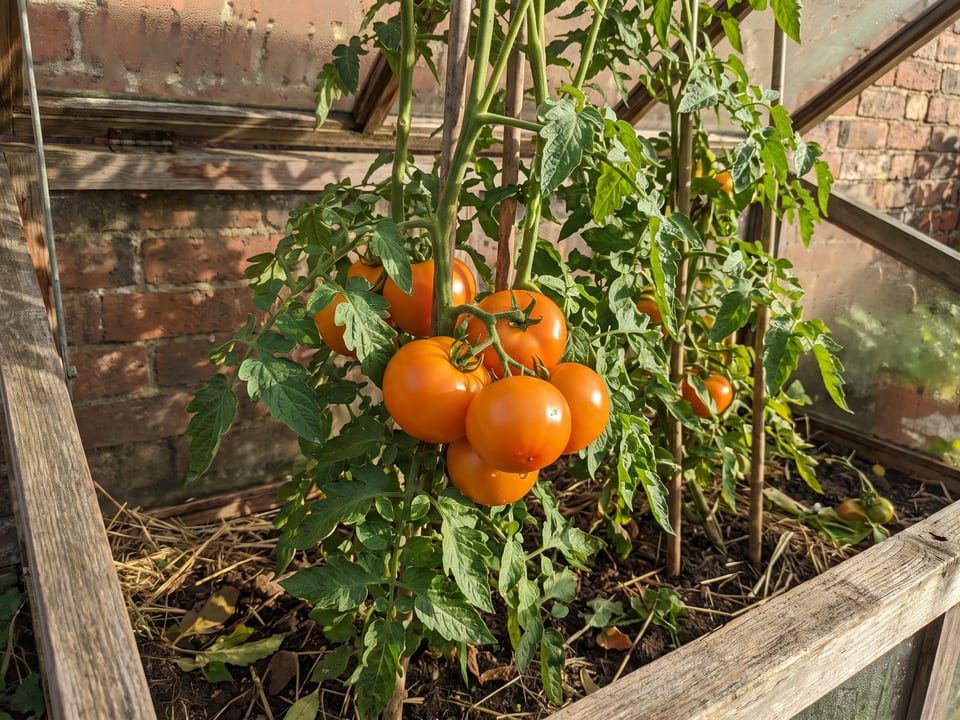
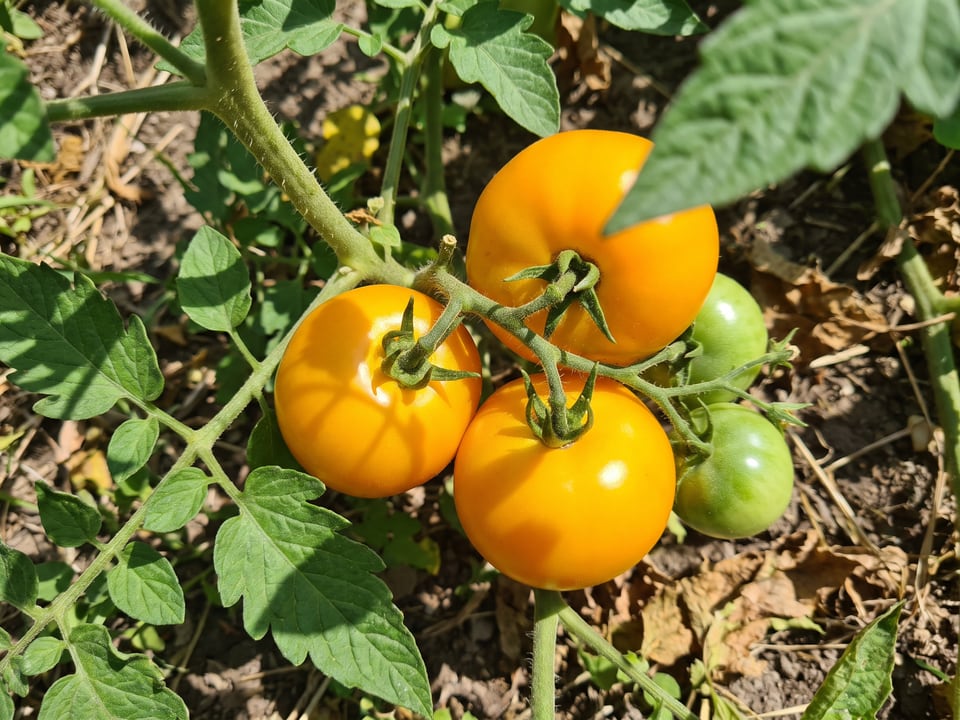
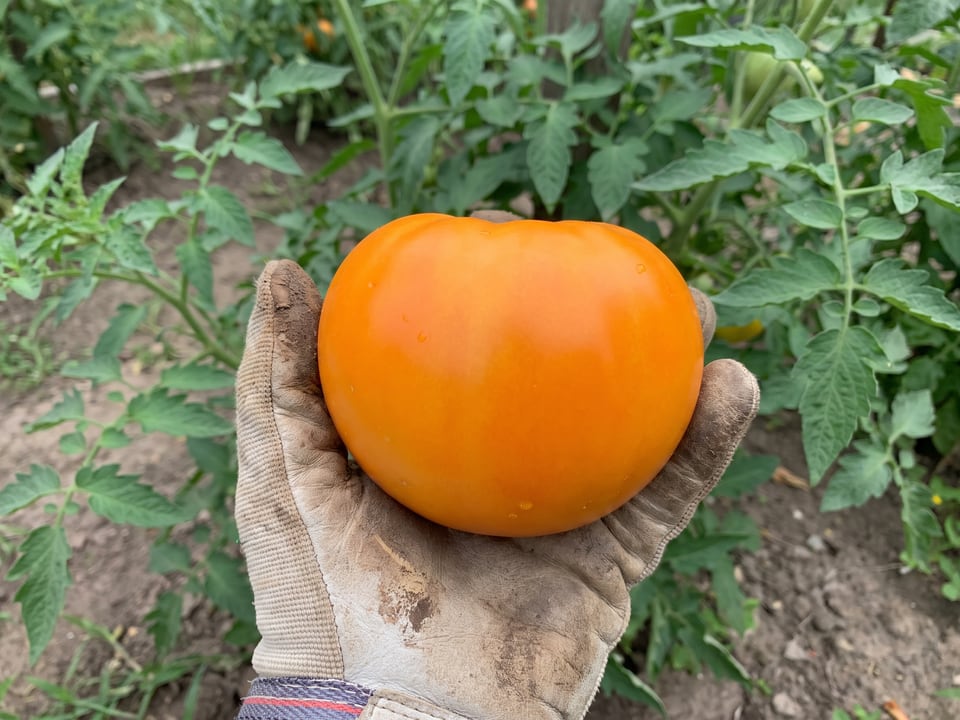
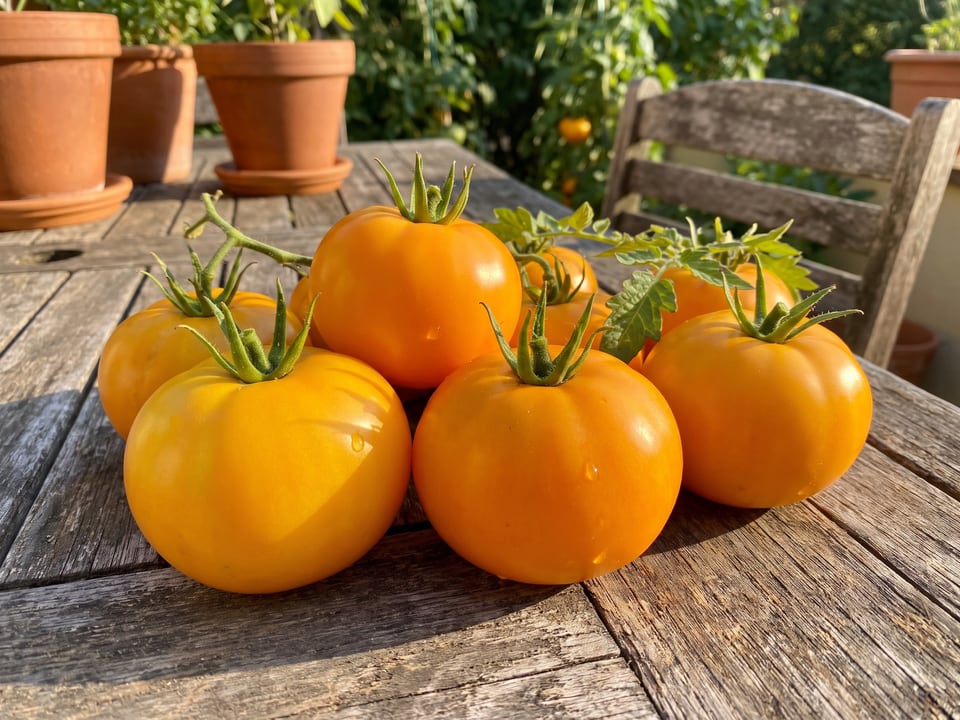
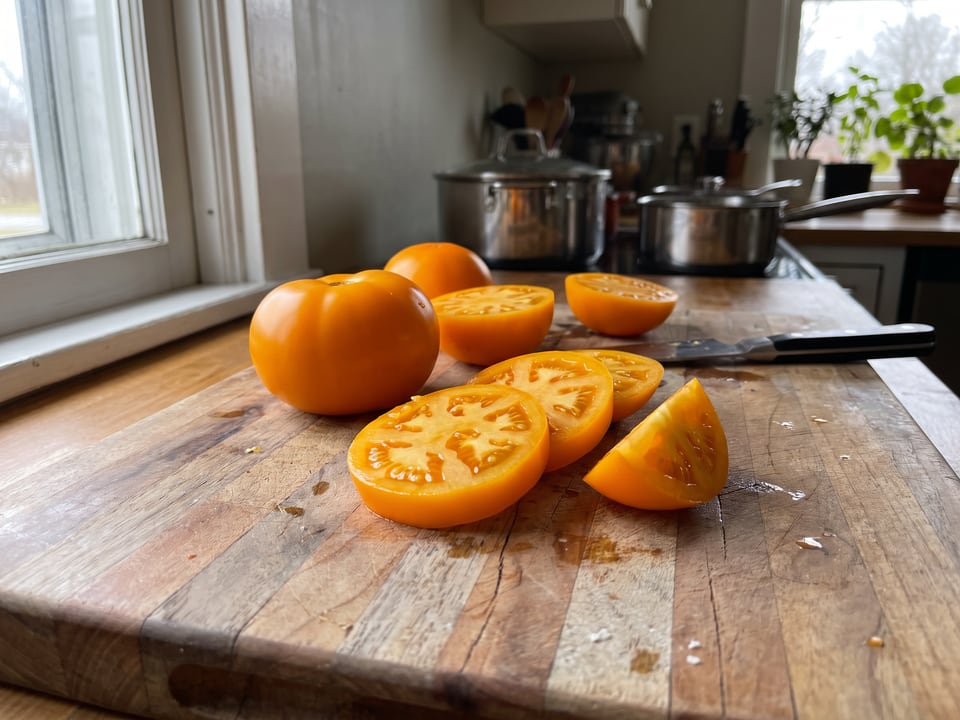
Open-pollinated slicer from USA. Orange, low-acid slicer from the 1940s, medium-sized fruit. Ready in about 80 days from transplant.
Single source · Updated Sep 9, 2026 · Values marked like this (estimated) are estimates.
At a glance
- Fruit type
- Slicer 5–8 oz (140–220 g) · Oblate
- Leaf type
- Regular leaf
- Days to harvest
- 80 days from transplant · Mid-late
- Plant height
- 5–8 ft (150–240 cm) Tall
- Spacing
- 24 × 39 in (60 × 100 cm) (estimated)
- Sunlight
- Full sun
- Position
- Handles open positions
- Growing sites
- Greenhouse · Polytunnel · Open ground · Container
- Container growing
- Not suited to pots
- Difficulty
- Easy-moderate (estimated) 2/5
- Skin
-
- Orange
- Interior
- Not recorded
Plant size and habit
Tall · Indeterminate
5–8 ft (150–240 cm) · Regular leaf
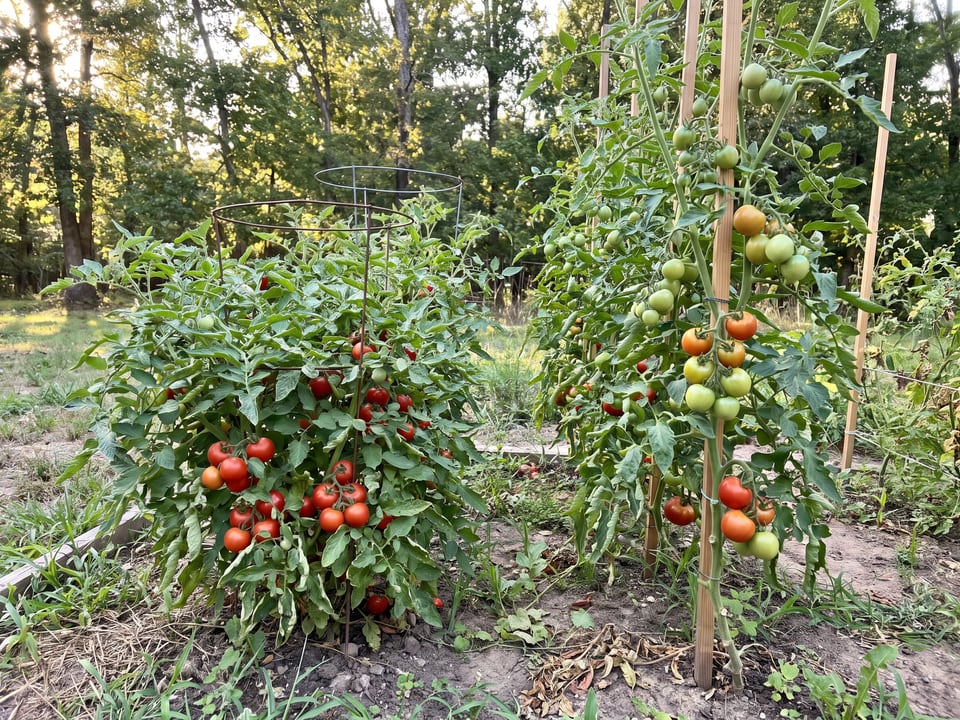
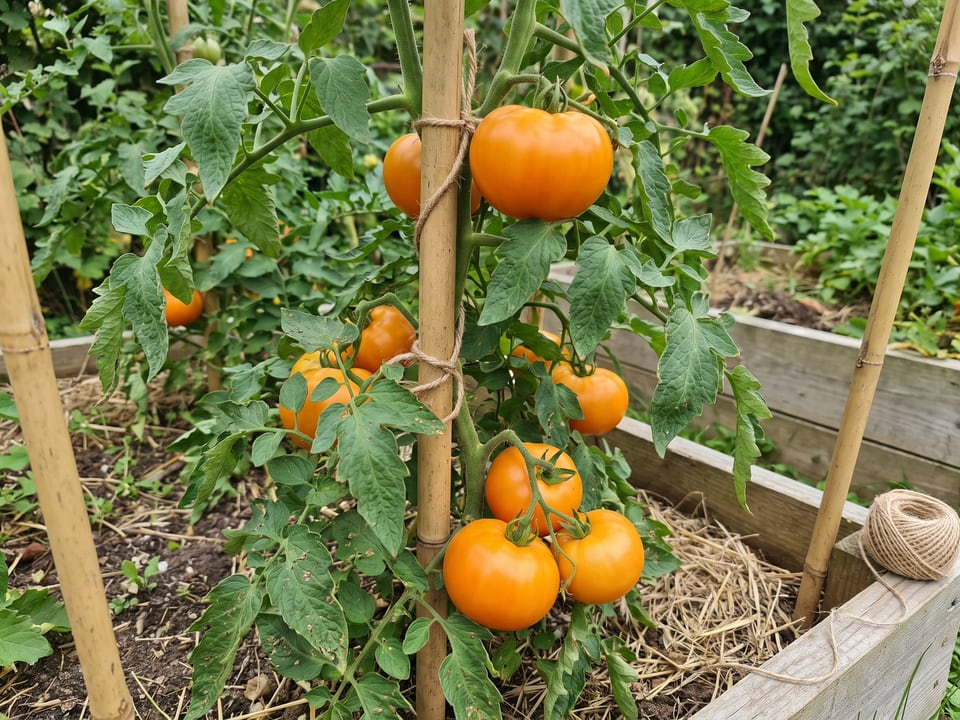
Jubilee is an indeterminate plant that keeps growing and setting fruit until frost; it needs a stake, cage, or trellis for the whole season. Expect a plant of 5–8 ft (150–240 cm).
Flavor
“Orange, low-acid slicer from the 1940s, medium-sized fruit.”
Growing calendar
80 days from transplant Mid-late
Timing shown for temperate climates; sow indoors 6–8 (estimated) weeks before your last frost date. Look up your last frost date by ZIP code →
Disease resistance
No documented disease resistances — protect this variety with good airflow and crop rotation.
Uses & tags
- Fresh & salads
- Slicing
Origin
An orange-fruited slicer from the 1940s wave of low-acid orange tomato releases, still sold today as a low-acid alternative to red slicers.
Sources
Where to buy seeds
Prices rechecked dailyAll photos
Questions
How do you grow a Jubilee plant?
A Jubilee plant grows 5–8 ft (150–240 cm) tall. Space plants 24 in (60 cm) apart in rows 39 in (100 cm) apart (estimated). Start seed indoors 6–8 weeks before your last frost (estimated); it germinates in 6–10 days (estimated). It needs full sun.
How long does Jubilee take to mature?
Jubilee is ready in about 80 days from transplant.
Does Jubilee need staking?
Jubilee is an indeterminate plant that keeps growing and setting fruit until frost; it needs a stake, cage, or trellis for the whole season. Expect a plant of 5–8 ft (150–240 cm).
Can Jubilee be grown in a container?
Jubilee is better suited to open ground or a greenhouse bed than a container.
Is Jubilee resistant to disease?
No disease resistance is documented for Jubilee.