When to plant peppers: sowing and transplant dates by state
Sep 22, 2026 · 10 min read
Start pepper seeds 8 to 10 weeks before you plant out, and plant out once frost has passed and the soil reaches 60°F. Dates for every state, from NOAA.
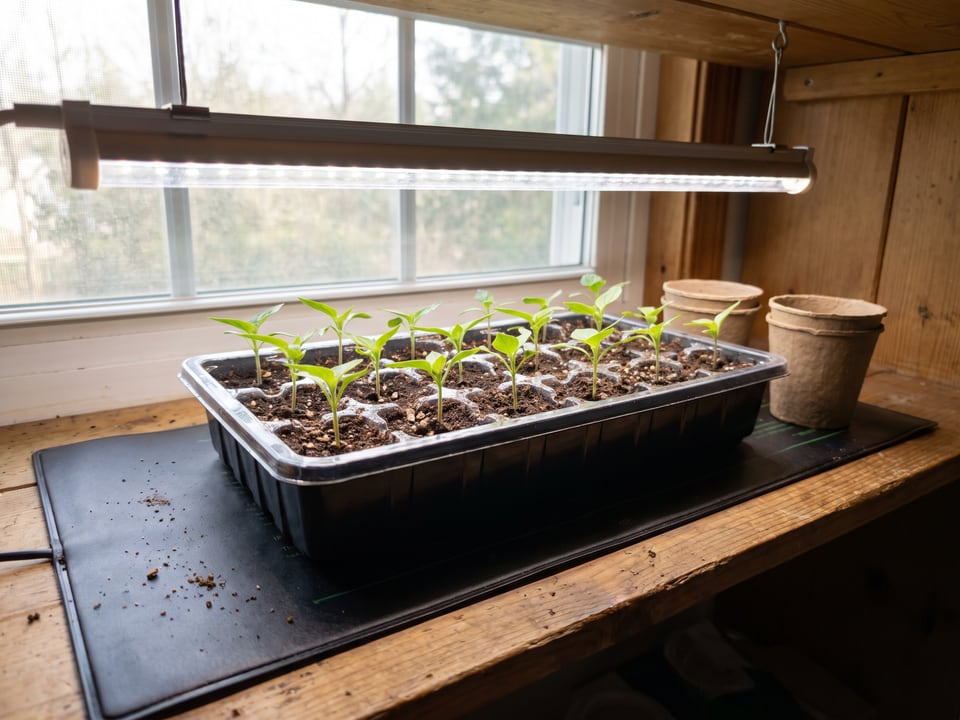
Plant peppers outside after your last spring frost, once the soil has reached 60°F (16°C). Start the seeds indoors 8 to 10 weeks before that day. Peppers are slower than tomatoes at both ends: the seed takes longer to sprout, and a plant set out into cool nights drops its flowers.
Both dates hang on one local number, your last frost date, and the state table below works them out from it.
When to start pepper seeds indoors
Count back 8 to 10 weeks from the day you plan to plant out. Utah State University Extension gives that span for growing pepper transplants. Clemson Extension uses a shorter 6 to 8 weeks. Take the longer figure if your seedlings grow on a windowsill rather than under lights.
Warmth decides how fast the seed comes up. Utah State germinates pepper seed at 80°F (27°C) and grows the seedlings on at 65 to 75°F. Seed kept cooler than that comes up slowly and unevenly, so a heat mat under the tray is worth more for peppers than for tomatoes. The records in the catalog list 7 to 21 days to sprout for most sweet and mild types.
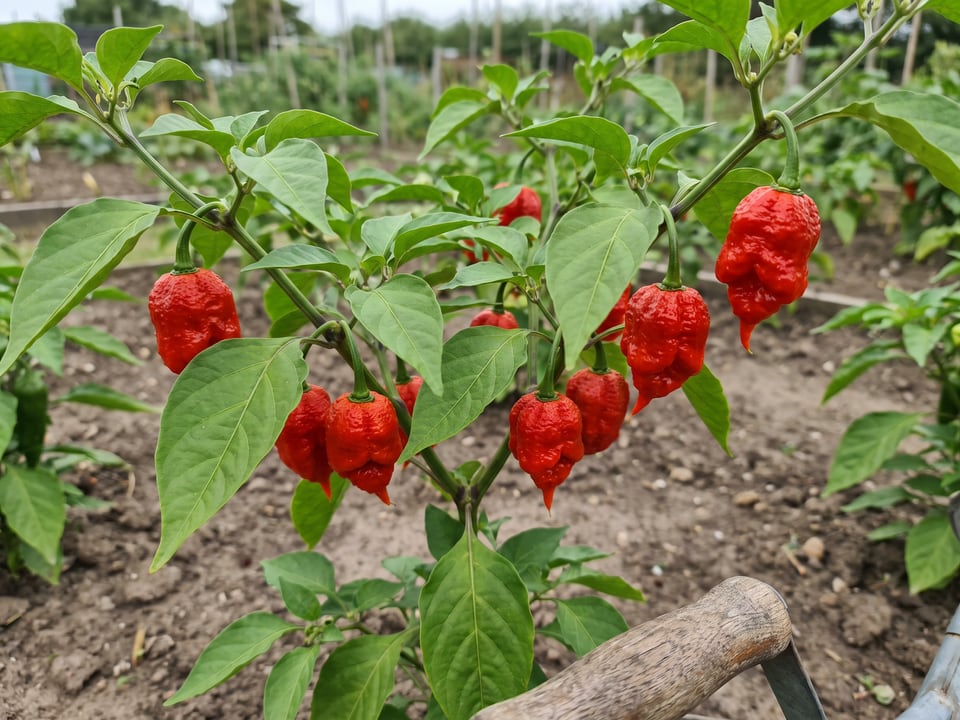
Some peppers need longer still: University of Maryland Extension notes that some types and cultivars require 12 weeks. The Capsicum chinense group, which includes habaneros and the superhots, is the slow one to sprout, and some of its records allow four to five weeks for the seed to come up. Carolina Reaper carries 14 to 30 days to sprout. The chinense page lists the whole group with its figures.
When to plant peppers outside
Wait for the frost date first. Clemson Extension puts it plainly: no peppers in the garden until the last chance of frost has passed. The average last frost date still leaves a frost in half of all years, so the safer target is the date after which only one spring in ten has a frost. That is the plant-out date in the table.
Then check the soil and the nights. Utah State gives soil at 60°F as the threshold for transplanting; the University of Maryland sets it higher, at 65°F, and the University of Minnesota goes by the air instead, planting once night lows stay above 50°F. Read 60°F as the minimum and 65°F as the safer mark. Our guide to growing peppers covers the rest of the season. Night temperature matters more for peppers than for tomatoes: Utah State notes that with nights below 55°F, or days above 90°F, pepper flowers abort instead of setting fruit. A pepper planted into cool nights can survive and still sit without flowering until they warm.
Sowing and planting dates by state
The table gives the median across NOAA weather stations in each state, from the 1991 to 2020 climate normals. Plant out is the date by which only one spring in ten still has a frost to come. Sow indoors counts back 8 to 10 weeks from it; for the slow types, up to 12 weeks.
| State | Sow indoors | Plant out |
|---|---|---|
| Alabama | Jan 29 – Feb 12 | Apr 9 |
| Alaska | Mar 21 – Apr 4 | May 30 |
| Arizona | Feb 8 – Feb 22 | Apr 19 |
| Arkansas | Feb 2 – Feb 16 | Apr 13 |
| California | Jan 20 – Feb 3 | Mar 31 |
| Colorado | Mar 18 – Apr 1 | May 27 |
| Connecticut | Feb 28 – Mar 14 | May 9 |
| Delaware | Feb 10 – Feb 24 | Apr 21 |
| Florida | Dec 22 – Jan 5 | Mar 2 |
| Georgia | Jan 28 – Feb 11 | Apr 8 |
| Idaho | Mar 26 – Apr 9 | Jun 4 |
| Illinois | Feb 22 – Mar 8 | May 3 |
| Indiana | Feb 26 – Mar 12 | May 7 |
| Iowa | Mar 2 – Mar 16 | May 11 |
| Kansas | Feb 21 – Mar 7 | May 2 |
| Kentucky | Feb 22 – Mar 8 | May 3 |
| Louisiana | Jan 11 – Jan 25 | Mar 22 |
| Maine | Mar 14 – Mar 28 | May 23 |
| Maryland | Feb 13 – Feb 27 | Apr 24 |
| Massachusetts | Mar 2 – Mar 16 | May 11 |
| Michigan | Mar 15 – Mar 29 | May 24 |
| Minnesota | Mar 11 – Mar 25 | May 20 |
| Mississippi | Jan 25 – Feb 8 | Apr 5 |
| Missouri | Feb 18 – Mar 4 | Apr 29 |
| Montana | Mar 26 – Apr 9 | Jun 4 |
| Nebraska | Mar 6 – Mar 20 | May 15 |
| Nevada | Mar 24 – Apr 7 | Jun 2 |
| New Hampshire | Mar 13 – Mar 27 | May 22 |
| New Jersey | Feb 22 – Mar 8 | May 3 |
| New Mexico | Mar 4 – Mar 18 | May 13 |
| New York | Mar 10 – Mar 24 | May 19 |
| North Carolina | Feb 6 – Feb 20 | Apr 17 |
| North Dakota | Mar 18 – Apr 1 | May 27 |
| Ohio | Mar 1 – Mar 15 | May 10 |
| Oklahoma | Feb 11 – Feb 25 | Apr 22 |
| Oregon | Feb 28 – Mar 14 | May 9 |
| Pennsylvania | Mar 6 – Mar 20 | May 15 |
| Rhode Island | Feb 23 – Mar 9 | May 4 |
| South Carolina | Jan 30 – Feb 13 | Apr 10 |
| South Dakota | Mar 12 – Mar 26 | May 21 |
| Tennessee | Feb 14 – Feb 28 | Apr 25 |
| Texas | Jan 24 – Feb 7 | Apr 4 |
| Utah | Mar 22 – Apr 5 | May 31 |
| Vermont | Mar 19 – Apr 2 | May 28 |
| Virginia | Feb 21 – Mar 7 | May 2 |
| Washington | Mar 1 – Mar 15 | May 10 |
| West Virginia | Mar 5 – Mar 19 | May 14 |
| Wisconsin | Mar 11 – Mar 25 | May 20 |
| Wyoming | Mar 26 – Apr 9 | Jun 4 |
A state-wide median hides a wide spread in the larger states, so check the frost date for your ZIP code before you sow. Each state name opens the list of its weather stations. Hawaii has too few stations with complete records for a fair median. The planting calculator takes your own frost date and returns sowing and transplant windows for every pepper and tomato in the catalog, using each record’s own lead time.
Planting before the safe date
Plastic mulch and row covers buy a few weeks. Utah State notes that with both, plants can go out several weeks before the last frost date. Black plastic warms the soil, the cover keeps warmth around the plant at night, and the plants need ventilating once the air under the cover passes 80°F.
Where peppers go in twice a year
Summer heat stops pepper fruit set as well; Utah State gives days above 90°F as the limit. In Florida and along the Southeast coast that splits the year into a spring crop and a fall crop.
The University of Florida’s Florida Vegetable Gardening Guide gives late March to April and then July to August for North Florida, January to March and then August to September for Central Florida, and August through February for South Florida. Clemson Extension gives April 1 to May 15 and July 10 to August 10 for coastal South Carolina, and May 1 to June 30 with no fall crop in the Piedmont. The Florida row in the table above is the spring date only.
How late you can plant peppers
Take your first fall frost date and subtract the variety’s days to maturity. Days to maturity is counted from transplanting in every pepper record in the catalog, so it applies directly to a plant going into the ground.
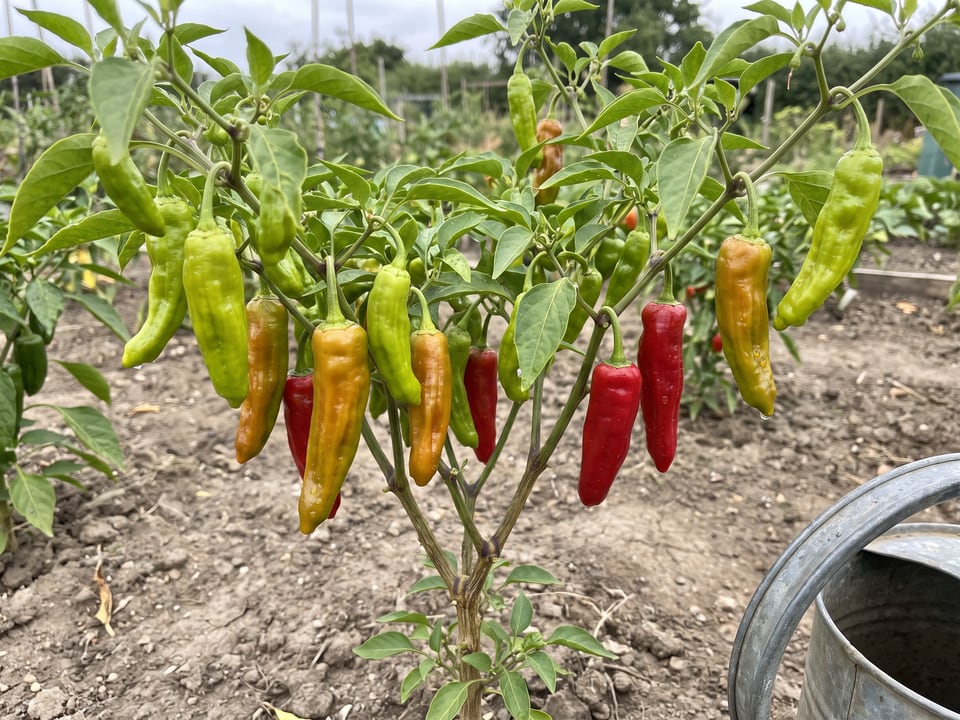
The spread between varieties is wide. Cajun Belle is listed at 60 days, Gypsy at 61, Shishito at 65 and Early Jalapeño at 67. At the other end, Orange Habanero is listed at 105 days and Carolina Reaper at 120, so in a short season a late planting of those will not ripen. Look up your first frost date by ZIP code, and the days-to-maturity table sorts every pepper from fastest to slowest.
Direct sowing, bell peppers and hot peppers
Utah State allows direct sowing in the garden two weeks before the last frost, but a seed sown outdoors gives up the eight or more weeks a transplant has already grown. Outside the longest seasons, transplants are the practical route.
Bell peppers and hot peppers go out on the same date, since the frost, soil and night limits are the same. What differs is the sowing date and the length of the season they need: most sweet peppers are quicker, and the chinense peppers need the longest run of warm weather.
Sources
- NOAA National Centers for Environmental Information, U.S. Climate Normals 1991–2020: last spring freeze dates at 32°F by station, the source of the state table.
- Utah State University Extension, Peppers in the garden: 8 to 10 weeks to grow transplants, germination at 80°F, transplanting at soil 60°F, flowers aborting below 55°F at night and above 90°F in the day, row covers and plastic mulch, direct sowing two weeks before the last frost.
- University of Maryland Extension, Growing peppers in a home garden: 8 to 10 weeks indoors, 12 for some types and cultivars, and soil at 65°F before transplanting.
- University of Minnesota Extension, Growing peppers in home gardens: transplanting once night lows stay above 50°F.
- Clemson Cooperative Extension, Pepper: seed started 6 to 8 weeks before the last frost, no planting before the last chance of frost, planting dates for coastal and Piedmont South Carolina.
- University of Florida IFAS Extension, Florida Vegetable Gardening Guide: spring and fall pepper planting dates for North, Central and South Florida.